

















The summer transfer window is moving fast, and clubs across Europe are trying to land targets while many stars are still tied up with national teams across the United States, Mexico and Canada. That overlap has made timing and reputation matter as much as fee sheets, and Tottenham have stepped into the conversation with a rebuild that is already taking shape under Roberto De Zerbi.
Spurs have moved early on defensive reinforcement and experience, bringing in Jan Paul van Hecke from Brighton, Andrew Robertson, Marcos Senesi, Martin Dubravka and, in a deal reported to be part of a broader package worth around £85 million, Mateus Fernandes. For a club that endured a disastrous season and flirted with the relegation zone, the speed of that business sends a clear message: this is not a window for half measures.
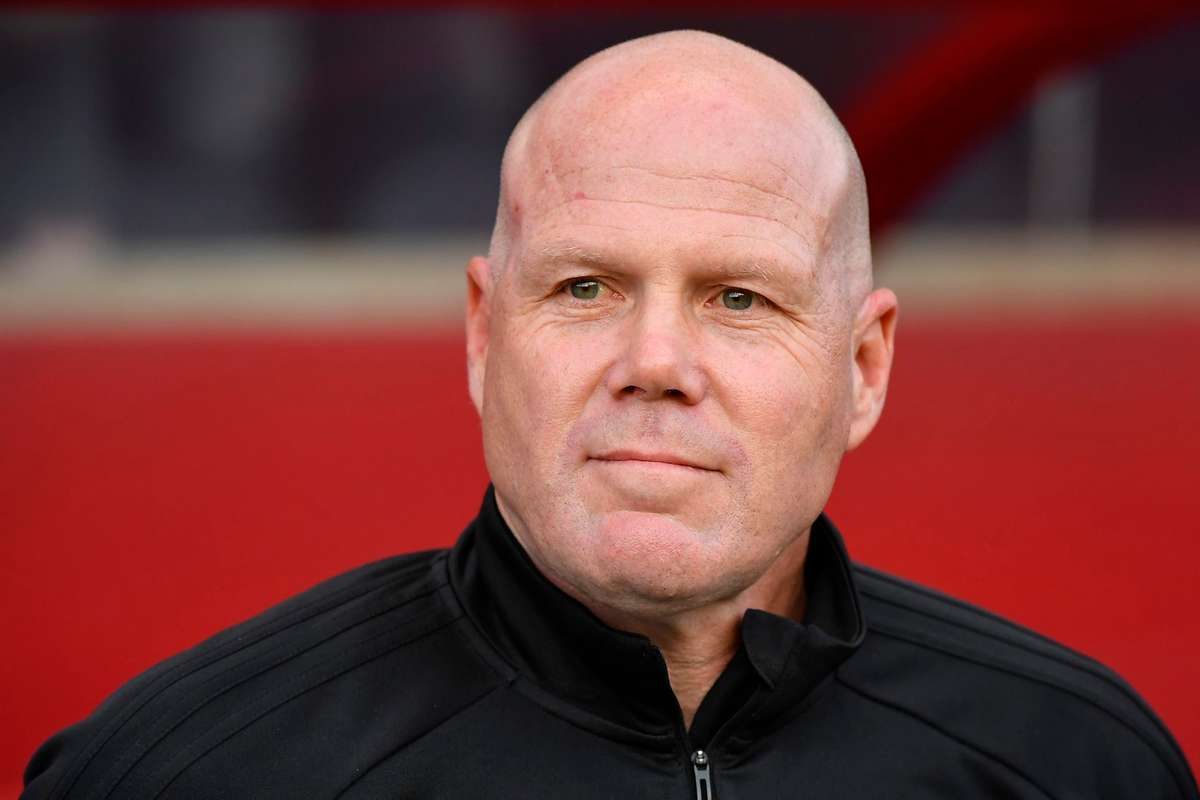
Brad Friedel, who knows both the American game and Tottenham from the inside, likes what he is seeing. He argues that De Zerbi is constructing a side players cannot ignore, one built to climb back toward European qualification rather than survive on the fringes of the Premier League table.
“I like what I am seeing from Tottenham right now,” Friedel said. “It’s good to get signings in nice and early and to rebuild with quality. Defensively, Spurs have had injuries, so signing Van Hecke from Brighton is a very good signing by De Zerbi. Premier League experience — he can do well at Tottenham.”
Friedel also pointed to midfield quality as the next layer of the project. Tottenham have been linked with Sandro Tonali, and the former goalkeeper believes that kind of profile would fit the direction De Zerbi wants to travel.
“I also like the fact Tottenham are looking at Tonali; he is a top midfielder who can do well at Tottenham,” Friedel said. “Andy Robertson is an experienced full-back who can give excellent leadership at Tottenham, so as well as on the pitch, off the pitch, he can be very important. So far, this is looking like a promising transfer window for Spurs, and it is important they continue to build and then, yes, build a squad capable of qualifying for Europe.”
Why Spurs Still Pull in the Market
The harder question is why so many players would still choose Tottenham after a season that left the club looking vulnerable. Friedel’s answer leans on the club’s off-pitch brand — the scale of the project, not just the recent results.
“Tottenham have one of the best stadiums in Europe, London is a great location, and their facilities in the training ground are outstanding,” he said. “They are a huge club off the pitch, and although the last few seasons they have struggled on the pitch, they still offer a great place to play football in the Premier League.”
De Zerbi’s appointment adds a coaching story that Friedel believes changes the sales pitch. Where recent campaigns felt reactive, the current approach is framed as forward-looking ambition.
“With De Zerbi now in charge, they are looking to really build positively and not finish just above the relegation zone,” Friedel said. “They know they need to compete with wages, and I believe there is going to be a change to pay higher wages to be able to compete and attract more players.”
That commercial logic matters in a window shaped by the World Cup on American soil. Clubs are not only competing with each other; they are competing for attention while the sport’s biggest stage plays out nearby. Tottenham’s early activity reads like an attempt to stay ahead of that queue.
Rogers, Villa and the Emery Effect
Friedel also touched on the other side of the market, where Morgan Rogers and Aston Villa sit in a different kind of growth story under Unai Emery. Asked why Rogers might leave a club that has evolved sharply under the Spanish coach, Friedel opened up on Villa’s rise and what that means for players weighing their next move.
The conversation underscored how the Premier League’s middle and upper tiers are no longer static. Emery has made Villa a credible destination; De Zerbi is trying to restore Tottenham’s place in that same conversation. For Friedel, the through-line is identity — whether a club looks like a platform for the next stage of a career or a detour after a difficult year.
Tottenham’s answer, for now, is a stack of signings, a coach with a defined style and a club infrastructure that still travels well in player agents’ presentations. The rebuild is not finished, and European qualification remains a target rather than a guarantee. But in a market running parallel to a World Cup summer, Spurs are acting like a club that expects to be taken seriously again.