







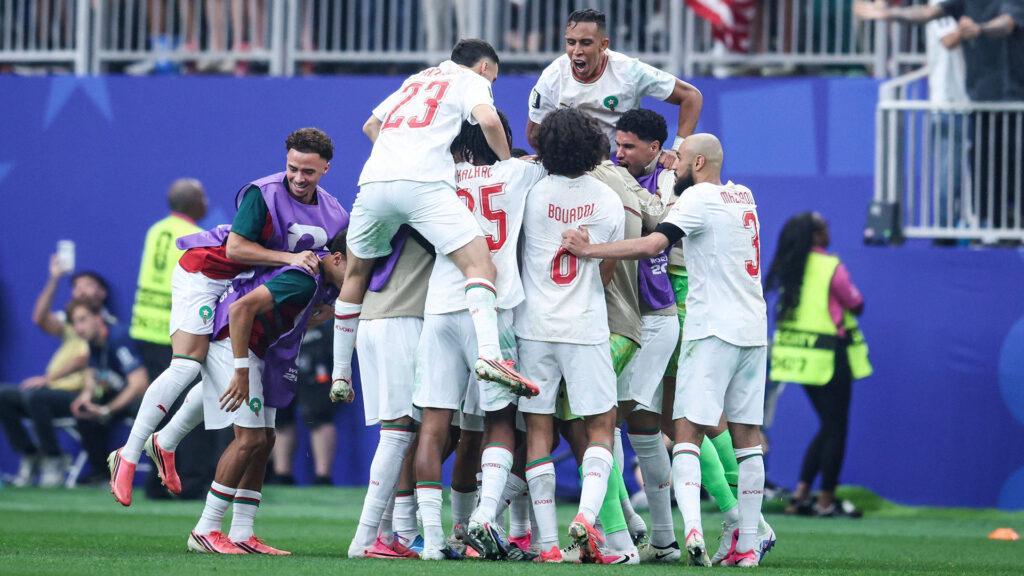
Morocco have written another chapter in African football history at the 2026 FIFA World Cup. A clinical 3-0 victory over Canada on Saturday confirmed their place in the last eight and made them the first nation from the continent ever to reach the quarterfinals twice — and to do so in back-to-back tournaments.
For a side that captivated the world in Qatar four years ago, this was less a surprise breakthrough than the confirmation of genuine elite status. Morocco arrived in North America ranked eighth in the world. Canada, sitting 30th, needed a statement performance to keep their knockout hopes alive. Instead, the Atlas Lions produced a display that blended control, composure, and cutting edge in equal measure.
A Night Defined by Ounahi
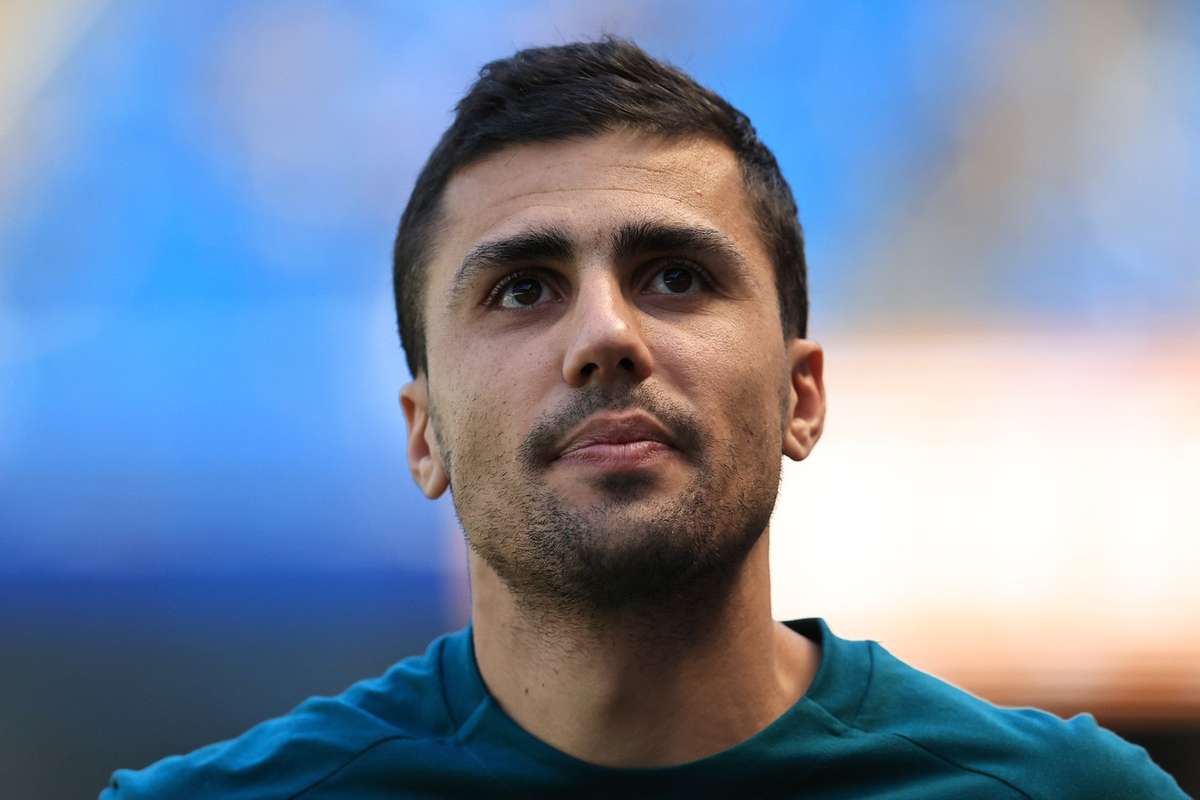
If one player embodied Morocco's evolution from resilient underdog to rounded heavyweight, it was Azzedine Ounahi. The central midfielder was the dominant force in a tie that Canada contested without ever truly threatening to overturn.
Ounahi opened the scoring and added a second before halftime, finishing moves that began with incisive service from wide areas. Achraf Hakimi supplied the assist for the opener, while Brahim Díaz created the second. Soufiane Rahimi then wrapped up the result in stoppage time, ensuring there was no late drama for a Moroccan side that had already done the hard work.
The scoreline reflected the balance of authority on the pitch. Morocco finished with three goals from five attempts and four shots on target, completing 472 passes at an 82 percent success rate while holding 55 percent of possession. Canada, for all their effort, mustered 11 shots and 11 corners but could not find a way past Yassine Bounou. Noussair Mazraoui helped anchor the defensive structure from full back, and the back line stood firm even when Canada pushed bodies forward late on.
Breaking a Continental Ceiling
Before Morocco's rise, African football had touched the World Cup quarterfinals only three times — and never twice.
The Pioneers Who Came First
Cameroon reached the last eight in 1990 under Roger Milla, thrilling Italy before falling narrowly to England. Senegal stunned defending champions France in their 2002 debut, then exited to Turkey via golden goal. Ghana came agonizingly close in 2010, denied by Uruguay in a quarterfinal decided by penalty shootout after Luis Suárez's infamous handball on the line.
Each of those runs felt singular: historic, emotional, and unrepeated. Morocco have now made the extraordinary routine.
From Qatar Resilience to 2026 Control
The contrast between Morocco's two World Cup campaigns tells the story of a federation and coaching staff that learned quickly from experience.
In 2022, the Atlas Lions finished fourth while averaging less than 39 percent possession. They leaned on defensive discipline, collective sacrifice, and the shot-stopping of Bounou to upset Belgium, Spain, and Portugal before Croatia ended their semifinal dream.
Two tournaments later, the profile has shifted. Morocco are no longer content to absorb pressure and counter. They are dictating tempo, circulating the ball with purpose, and converting dominance into goals. A 1-1 draw with the Netherlands, a 1-0 win over Scotland, and a 4-2 victory against Haiti in the group stage already hinted at a broader attacking toolkit. Saturday's performance against Canada was the clearest proof yet that this is a complete team rather than a defensive fairytale reprised.
Match data from the Canada fixture underscored that growth. Morocco won a majority of duels, completed tackles at a high rate, and cleared danger repeatedly when Canada sent 29 crosses into the penalty area. Where the 2022 side often invited pressure, the 2026 edition manages risk without surrendering structure.
What the Road Ahead Demands
Reaching the quarterfinals once can be framed as momentum and timing. Doing it again, on a different continent and against a deeper field, is evidence of sustainable quality.
Hakimi's influence from the right flank remains central, not only as an outlet in transition but as a creator in settled possession. Brahim Díaz's role in unlocking compact blocks has grown alongside Ounahi's midfield authority. Behind them, Bounou and Mazraoui provide the platform that allows Morocco's more expressive players to take calculated risks.
Canada, meanwhile, leave the tournament with lessons rather than regrets about effort. They beat South Africa 1-0 and pushed Switzerland close in a 2-1 defeat, but the gap against a top-ten nation was plain in the final third. Eleven shots produced only three on target against a Moroccan defense that rarely needed to panic.
A Benchmark for African Football
Morocco's achievement extends beyond national pride. For decades, African teams were celebrated for singular runs that ended in heroic defeat. The Atlas Lions have changed the conversation. Consecutive quarterfinal appearances signal that their 2022 run was not an outlier — it was the foundation of a new standard.
As the 2026 World Cup enters its decisive phase, Morocco carry the hopes of a continent that has waited generations for sustained success at this level. They no longer arrive as outsiders hoping to survive one more round. They arrive as a side that expects to control games, score when it matters, and remain standing when the knockout bracket tightens.
That is the real history made in North America this weekend — not just another quarterfinal, but proof that African football can belong among the world's best twice in a row.