














Mali have turned to Anthony da Silva to lead the Eagles through the 2027 Africa Cup of Nations qualifying cycle, installing the 45-year-old Portuguese coach after a period of uncertainty at the top of the national team setup.
The appointment closes a vacancy created when Belgian manager Tom Saintfiet resigned on April 29, stepping down after less than two years in charge. Saintfiet had built a competitive record with Mali, but his departure was shaped by administrative friction and a broader push within Malian football circles toward local leadership in the dugout. Da Silva now inherits that brief and the expectation that results must align with a fresh identity on the bench.
A Formal Start in Bamako
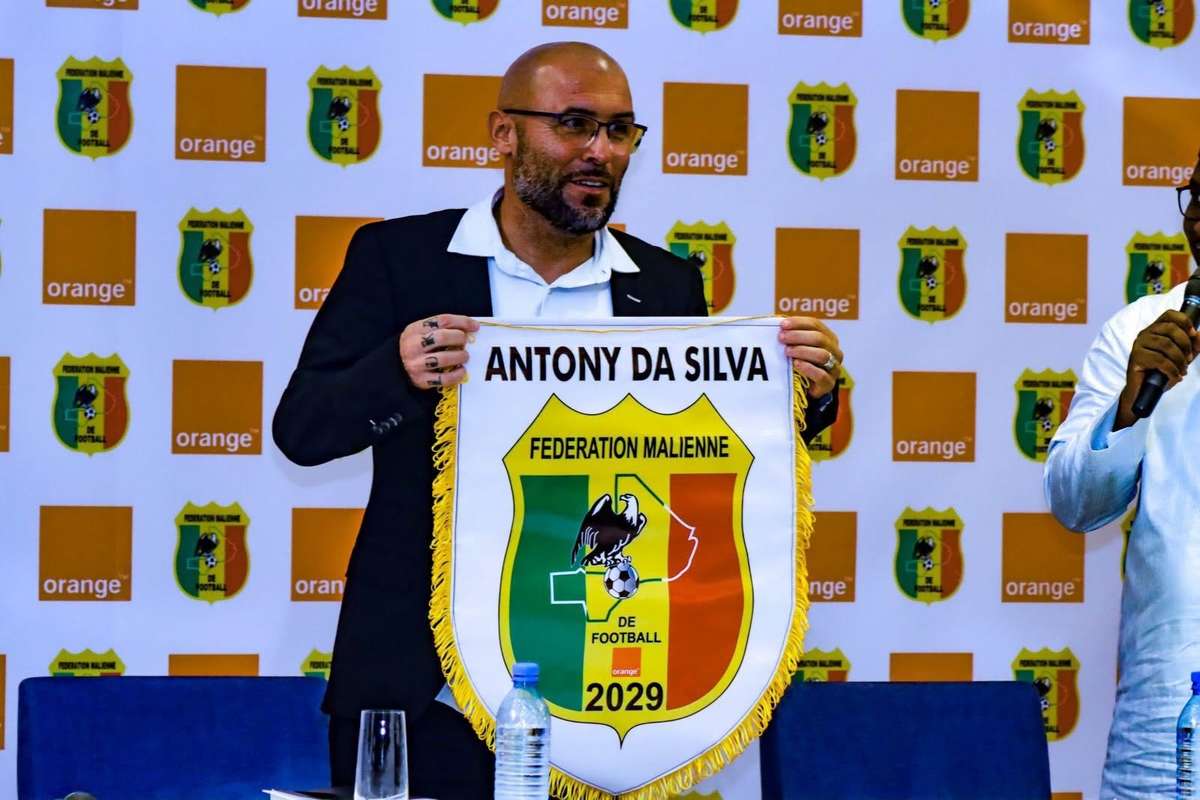
Da Silva was presented on Monday, July 6, at the Radisson Collection Hotel in Bamako, where federation officials framed the hire as the opening chapter of a renewed project. Mahazou Baba Cisset, president of the Malian Football Federation, handed the new coach a large national flag during the ceremony, a symbolic gesture meant to underline the scale of the mission ahead.
In his first public remarks, da Silva outlined a coaching identity rooted in Portuguese football culture. He said he wants Mali to act as protagonists, control possession, and set the rhythm of matches rather than react to opponents. That message will be tested quickly once competitive fixtures arrive, but it offers an early clue about the style he intends to impose.
From Liga I Captain to National Team Boss
Da Silva's path to the Mali job runs through two distinct phases: a trophy-laden playing career abroad and a recent return to management in Romania.
His last coaching assignment came in 2024 with FC Politehnica Iasi in the Romanian top flight. Before that shift into the dugout, he built his reputation as a midfielder whose professionalism translated into leadership on the pitch.
Da Silva made his Primeira Liga debut in the 2005-06 season with CF Estrela da Amadora, missing only two league games as the club retained its top-flight status. In January 2007, he moved to Romania and signed with CFR Cluj, a transfer that would define the most successful stretch of his playing career.
At Cluj, da Silva quickly won over supporters with his work rate and consistency. He was eventually named captain and helped the club collect six major honors, including two Liga I titles. Across those title-winning campaigns, he contributed 50 appearances and one goal, with 32 league matches in the 2007-08 season alone.
The following year brought a knee ligament injury that kept him sidelined for several weeks, yet he recovered in time to play a part as Cluj lifted the domestic cup for only the second time in club history. That resilience became part of his profile long before he considered management.
Portugal Return and a Landmark Night
Da Silva returned home in January 2011, joining Vitoria Guimaraes at age 30. He later moved to Pacos de Ferreira, remaining in the Portuguese top tier as his career entered its final chapters.
His most memorable league moment arrived in 2013, when he scored his only Primeira Liga goal with a rare header in a 1-0 home win over Sporting CP. That result helped Pacos de Ferreira secure a best-ever third-place finish and, with it, qualification for the UEFA Champions League. He closed his playing days in 2015 after a spell with F.C. Penafiel.
Those experiences matter for Mali because they combine domestic title pressure, European qualification stakes, and the demands of leading by example in unfamiliar environments.
What the Appointment Signals
By choosing da Silva, Mali are betting on a coach who understands what it takes to compete in tight league races and high-stakes knockout settings, even if his international management résumé remains relatively short. The federation's decision also reflects continuity with a broader trend in African football: experienced European-based technicians are still valued when federations want immediate tactical structure.
The immediate task is straightforward on paper and demanding in practice. Mali must stabilize the squad, translate da Silva's possession-based ideas into results on African soil, and navigate a qualifying path that will leave little room for the administrative turbulence that preceded this hire.
For da Silva, the Bamako unveiling was more than ceremony. It was the first checkpoint on a career path that now runs from Cluj captaincies and Portuguese top-flight nights to one of the continent's most scrutinized national team jobs.