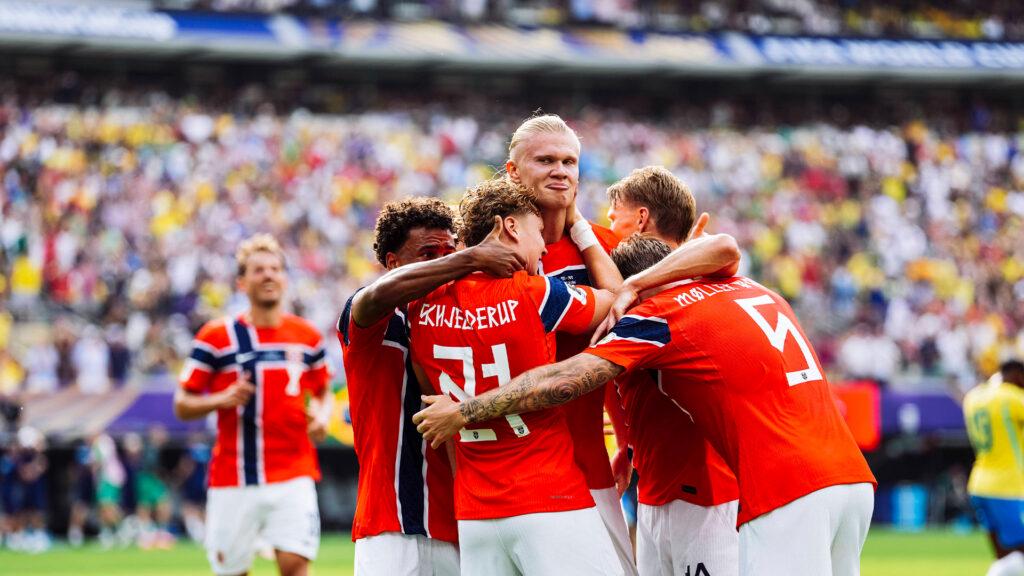




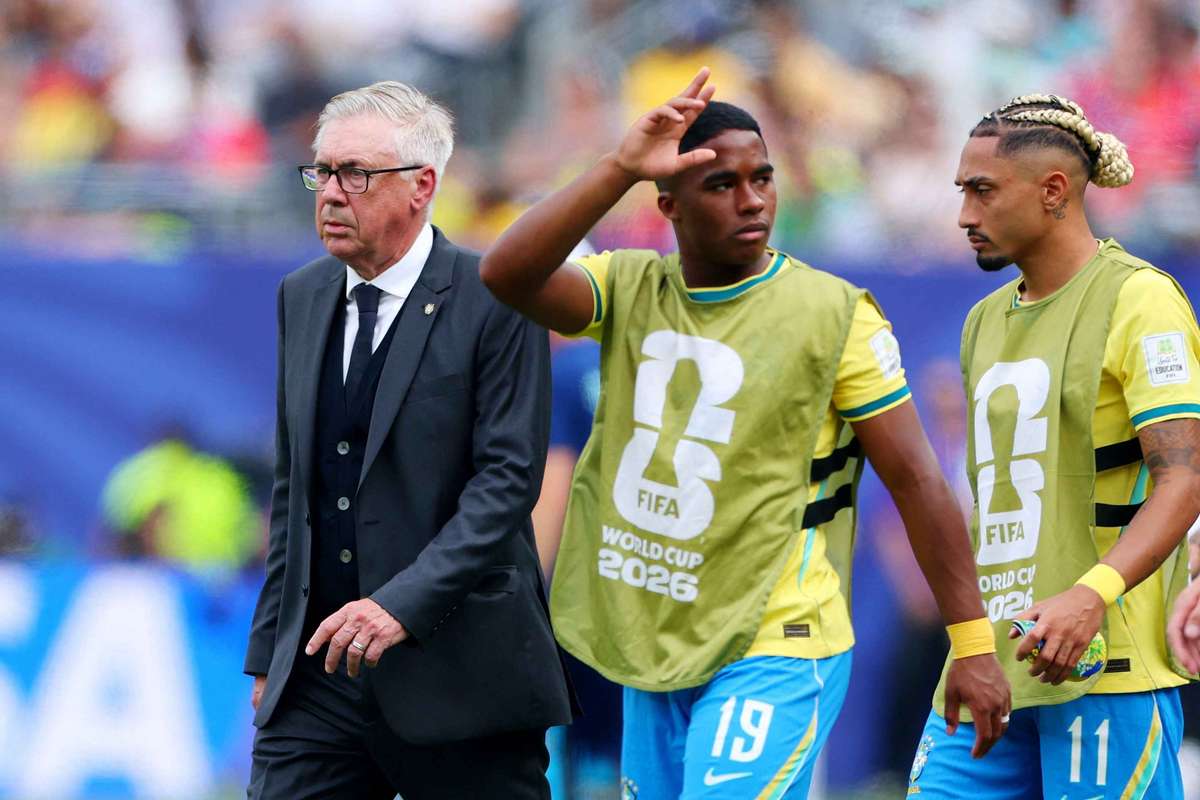
Brazil's World Cup ended where few expected it to begin: in the last 16, on a night at MetLife Stadium that felt less like a single defeat and more like the confirmation of a pattern. Norway advanced after Erling Haaland scored twice, Bruno Guimaraes had an early penalty saved, and Neymar's late spot-kick arrived only as consolation. Brazil, managing just 34 percent of possession, suffered their earliest exit from the World Cup since 1990.
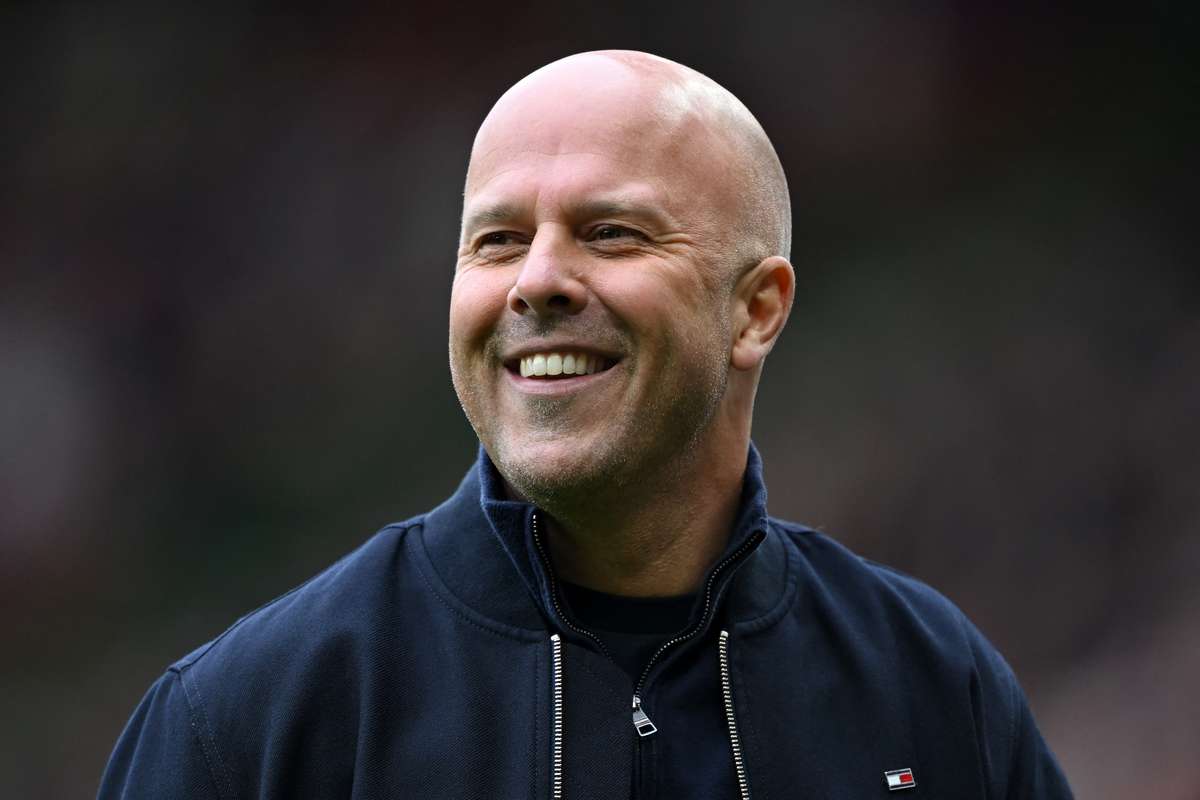
For Carlo Ancelotti, the result landed on a coach who had already signed a contract extension to remain in charge until 2030. He may never have treated winning this tournament as a given, but going out this soon still cuts deep. His response, however, was unequivocal.
The MetLife Reckoning
The scoreline tells only part of the story. Haaland's two goals gave Norway the platform they needed in a tie Brazil never truly controlled. Guimaraes stepping up from the spot early should have offered the Selecao a route into the game; instead, the miss set the tone for an evening defined by territorial disadvantage and blunt attacking play.
Neymar's converted penalty late on preserved individual pride, not collective progress. When a team with Brazil's historical weight finishes a knockout match with barely a third of the ball, the conversation shifts quickly from bad luck to structural failure. This was not a narrow defeat decided by one moment. It was a comprehensive illustration of how far Brazil had to climb even to reach competitive parity with a European side operating with confidence and clarity.
Norway, ranked 31st in the latest FIFA standings and climbing, arrived without the same trophy burden but with a striker capable of deciding elite matches on his own. Haaland did exactly that. Brazil, sixth in the world rankings and carrying the weight of a nation that still measures itself against golden eras, left the stadium facing questions they thought Ancelotti had been hired to delay.
A Coach Who Says He Will Stay
Ancelotti's public stance after the defeat was calm, almost philosophical, but the message underneath was firm. He is not walking away.
"A defeat is the start of a new adventure. Now we need to keep working hard and keep improving," he said. "This is football. This is sport. You just have to deal with it. We will use this as fuel going forward."
That language matters. Brazil did not appoint a stopgap manager when they finally secured the man who had won European titles with Real Madrid and previously worked at AC Milan. The federation pursued him for roughly two years before getting their target in May of last year and then backing that decision with a long contract. A last-16 exit does not automatically erase that commitment, and Ancelotti's comments suggest he intends to treat the setback as the opening chapter of a rebuild rather than its conclusion.
The practical test, of course, is whether those words translate into improved selection, clearer tactical identity, and better performances when European opponents raise the physical and psychological intensity in knockout football. Brazil have heard promises before. What they need now is evidence.
How Brazil Reached This Point
The path to MetLife was never smooth, even if optimism around Ancelotti's arrival temporarily masked the turbulence behind him.
After a quarter-final exit on penalties to Croatia at the 2022 World Cup, Tite departed and the national team entered a phase of instability that became difficult to disguise. Fernando Diniz took charge at the start of qualifying for this World Cup but lasted only six games. Dorival Junior followed, oversaw a quarter-final elimination at the 2024 Copa America, and was dismissed in March of last year.
Ancelotti eventually guided Brazil through qualifying, but the numbers were sobering. In a 10-team South American group, they finished fifth, 10 points behind first-placed Argentina. That alone should have tempered expectations about a seamless title challenge. Yet the hope around a coach of Ancelotti's stature was that Brazil would still arrive at the World Cup as a genuine contender.
Instead, they departed at the same stage where so many recent campaigns have ended, only earlier than at any point in more than three decades.
The European Knockout Curse Returns
Since Brazil last won the World Cup in 2002, one trend has repeated with uncomfortable regularity: when knockout football turns against European opposition, the Selecao have found no reliable answer.
At the five World Cups before this one, Brazil lost four times in the quarter-finals and reached the semi-finals once, when they suffered the traumatic 7-1 defeat to Germany as hosts in 2014. Sunday's loss to Norway extends that broader problem rather than breaking it. The opponent changes. The outcome in decisive moments often does not.
That is why this defeat feels bigger than a single bad night. Brazil are not merely mourning an early exit. They are confronting a recurring competitive ceiling in the most important matches, one that long predates Ancelotti and will not disappear simply because a famous coach says the right things afterward.
Possession share, penalty execution, and game management all pointed in the same direction: when the level rose, Brazil lacked the control expected of a team still trying to reclaim global dominance.
Leadership, Youth, and the Next Cycle
If one positive thread ran through an otherwise bleak tournament, it came from Vinicius Junior. The Real Madrid forward, who turns 26 next week, carried himself as a leader even as the team around him struggled to impose itself. His post-match words reflected the mood inside the camp without pretending the pain could be avoided.
"Being knocked out of a World Cup is always a huge blow," he said. "But now we have to move on, there's not much we can do."
That honesty is necessary, but it also highlights the transition Brazil must navigate. Neymar remains a reference point, yet the team cannot keep waiting for individual rescue acts in knockout football. Vinicius has shown he can shoulder responsibility at the highest level. The question is whether the wider squad can build a system sturdy enough to support that leadership.
Endrick's name will naturally enter that conversation as Brazil look beyond immediate disappointment. Sunday's result suggests the project is moving backward, not forward, despite the talent still available. Turning that around will require more than sentiment about future stars. It will require a coherent plan across the next competitive windows.
What Comes Next
Brazil's immediate horizon now turns toward the 2028 Copa America and, beyond that, the 2030 World Cup. Ancelotti's contract runs through that latter target, which gives the federation continuity on paper even if patience among supporters will be tested by another painful elimination.
The coach's insistence that he is going nowhere is politically important and personally credible given his recent extension. The harder judgment is sporting. Brazil did not lose because they lacked a famous manager. They lost because, at the decisive moment, they again failed to solve the problems that have defined their knockout history for more than two decades.
If Ancelotti truly believes defeat is the start of a new adventure, then the next phase must produce visible change: stronger qualifying performances, clearer tactical discipline, and better execution when matches tighten. Without that, his stay may remain secure on paper while the same old questions follow Brazil into the next tournament.
For now, the conclusion is stark. Norway deserved to advance. Haaland decided it. Brazil left at their earliest World Cup exit since 1990. And Ancelotti, whether the public fully believes him yet or not, says he intends to be the man who turns that pain into progress.