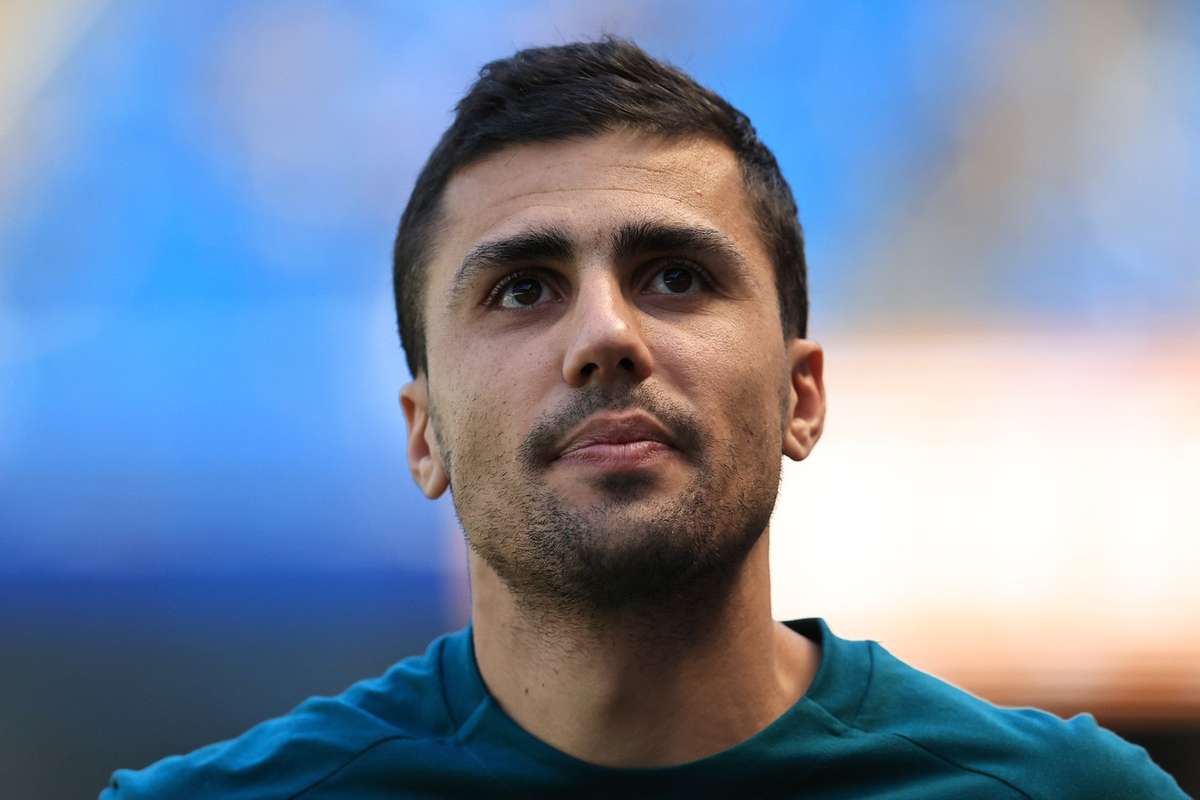
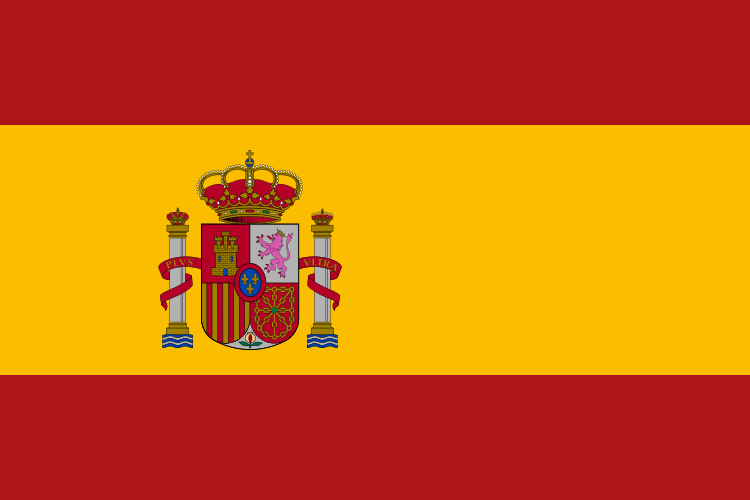












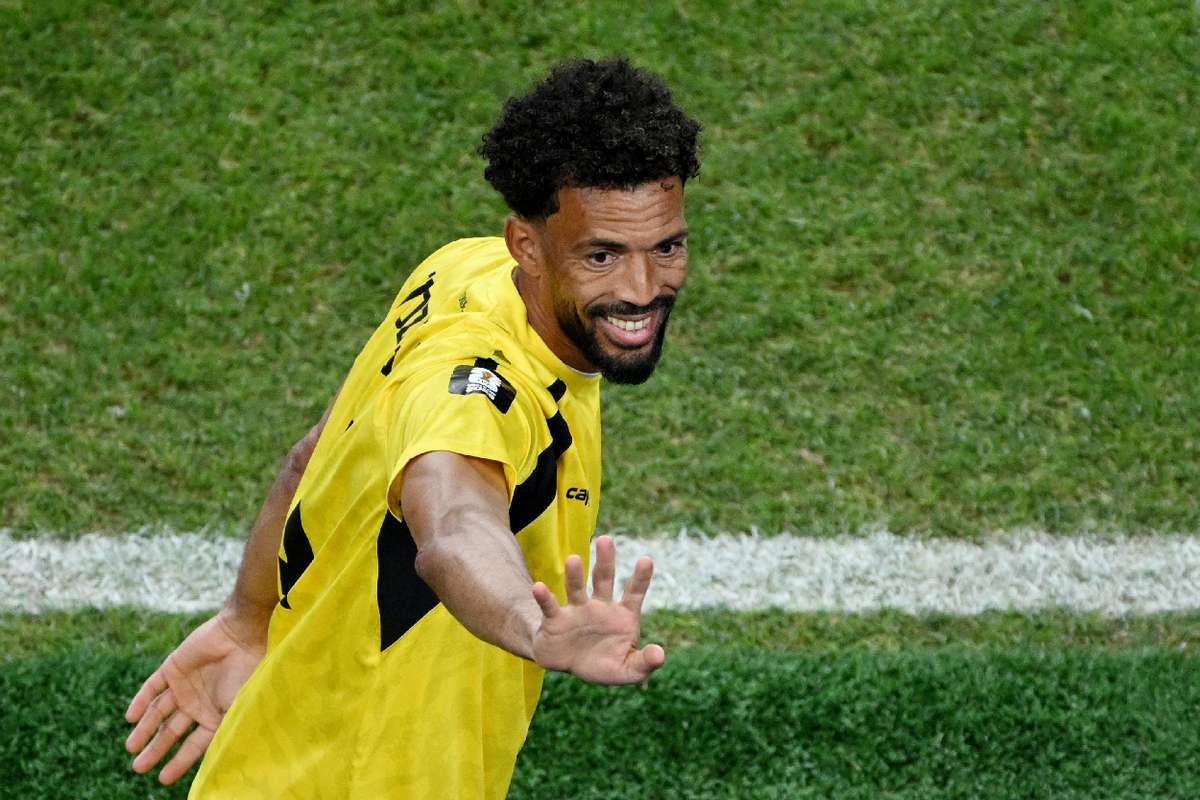
When Cape Verde drew three straight matches on their World Cup debut and reached the knockout stage as Group H runners-up, social media debate over the “dark horse ceiling” was almost overnight pushed to the top of trending lists. Yet the man truly at the center of the storm was 40-year-old vice-captain and goalkeeper Vozinha—he recorded his second clean sheet of the tournament in Friday’s match against Saudi Arabia, letting this African side from a chain of ten volcanic islands answer every doubt with results, not slogans.
Where did the buzz come from? The answer is not complicated. A clean sheet against European champions Spain in the opener had already put him on front pages worldwide; another point on the final day of Group H, enough to go through in second place, turned the “fairytale” into verifiable numbers. In-platform technical stats also back up how they play: in the group stage, Cape Verde averaged 15 shots per game and 51% possession, dragging matches into their tempo in a 4-1-4-1 shape—this was not lucky point-grabbing, but a tactical plan they could actually execute.
Vozinha: We Want to Be Treated as Competitors
After the match, speaking to reporters, Vozinha quickly steered the conversation away from individual heroics and back to the team. “We know we come from a small country, but we also know we’re here to compete,” he said. “Maybe a lot of people assume Cape Verde players aren’t ‘good enough,’ but we want to show that this national team has real quality, and that our players can hold their own at major tournaments and in top leagues.”
These remarks resonate with fans because they cut against a longstanding bias in World Cup narratives: population size and league exposure do not automatically determine a national team’s ceiling. Cape Verde has a national population of roughly 500,000, making it one of the smallest nations by population ever to reach the knockout stage at a World Cup; in FIFA’s latest rankings it sits 69th—not in the same tier as Spain (2nd) or Argentina (3rd). But it is precisely this contrast that gives their qualification story a built-in narrative pull—the resilience of a small nation and a shared sense of identity spread more easily on social media than a single star player.
From Houston to Miami: Personal Stories Layered on Tournament Drama
Off-field details have also added to the buzz. Volzini revealed that his mother, Ana Candida Evora, watched from the stands in Houston on Friday—her second time seeing her son play at a World Cup; U.S. authorities had previously intervened to help her enter the country smoothly. Their next match kicks off in Miami: Cape Verde will carry a six-match unbeaten run into the Round of 32 clash against Argentina and Messi.
“To be honest, we never really dared to dream we’d make it this far,” Volzini admitted. “For any player, facing Argentina and Messi at the World Cup is a dream. Advancing to the next round means so much to us.”
The Clean-Sheet Hero Remains a Free Agent
Another fact that keeps getting shared is that despite his eye-catching World Cup performances, Volzini remains a free agent. After last season ended, his contract with Portuguese second-tier side Chaves expired, and he has yet to find a new club. “I’m a free agent now and hope something will happen soon,” he said.
This, in turn, makes the argument that “Cape Verde belongs on the top stage” more complete: a goalkeeper without a club contract keeping consecutive clean sheets at the World Cup and leading his team out of the group shows that the heart of the story was never any one name, but a collective with a clear identity that dares to execute its tactics against stronger teams. For other football nations with limited populations and fewer resources, that may be exactly the lesson Vozinha most wanted to leave—define who you are first, then talk about how far you can go.