











The air outside the ground had that particular thickness you only get when a knockout tie carries two stories at once. One side arrived ranked eighth in the world, carrying the quiet confidence of a team that has learned how to survive the late hours of major tournaments. The other walked in as co-hosts, backed by a city that had spent weeks treating every home fixture like a civic appointment. Scarves in red and white mixed with green in the concourses. Families posed for photos beside murals of players they had only recently learned to pronounce. By kickoff, the expectation was not merely to compete—it was to belong on this stage.
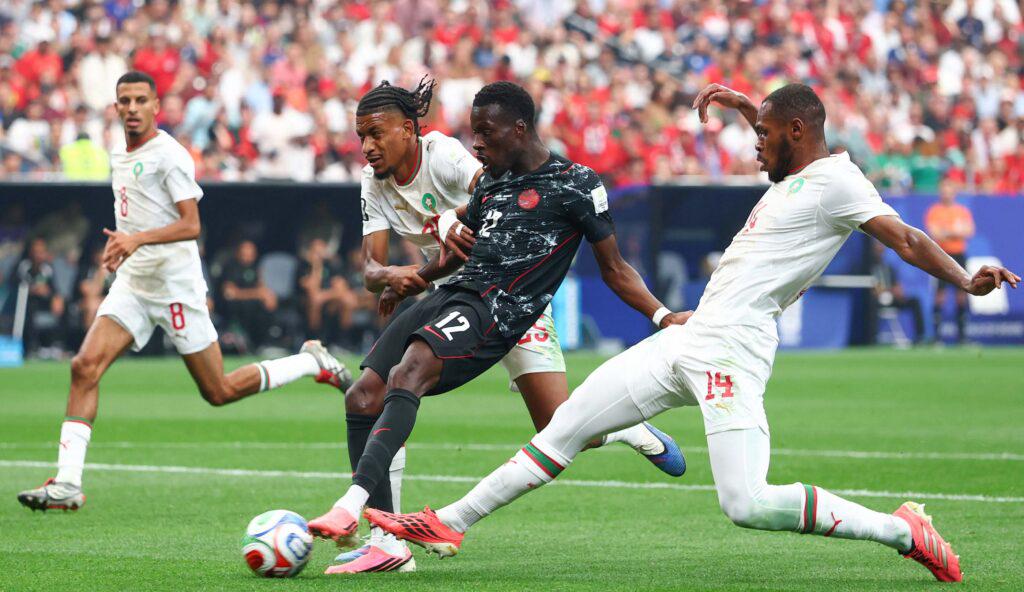
Inside the bowl, Canada started as if they had read the room correctly. Pre-match talk had framed them as outsiders against a Moroccan side with deeper tournament pedigree, yet the opening quarter belonged to the hosts. Tani Oluwaseyi found space in the box early, only to see his effort blocked by the legs of Yassine Bounou. The chance did not settle the nerves so much as sharpen them. Every clatter of a cleared cross echoed a little louder. When Alistair Johnston rose unmarked from twelve yards and headed straight into a Moroccan defender, you could feel the collective inhale in the stands—so close, and still not quite.
When the First Half Refused to Turn
For long stretches, Morocco looked like a team waiting for a different version of the game to begin. Their only real sight of goal before the interval was Soufiane Rahimi’s hopeful strike from distance, comfortably gathered by Maxime Crepeau. In the technical area, Mohamed Ouahbi cut a still figure. On the Canada bench, the mood was different—not euphoric, exactly, but alert. The hosts had not been overwhelmed. They had created the sharper half-chances. If anything, the scoreboard’s stubborn silence felt like a small injustice to the energy in the sections behind Crepeau’s goal.
Football, though, rarely rewards the team that “deserved” the lead at the break. It rewards the one that finds a second wind when the stadium lights feel harshest. Whatever passed between Ouahbi and his players during the interval landed with immediate effect. Within five minutes of the restart, Morocco were ahead.
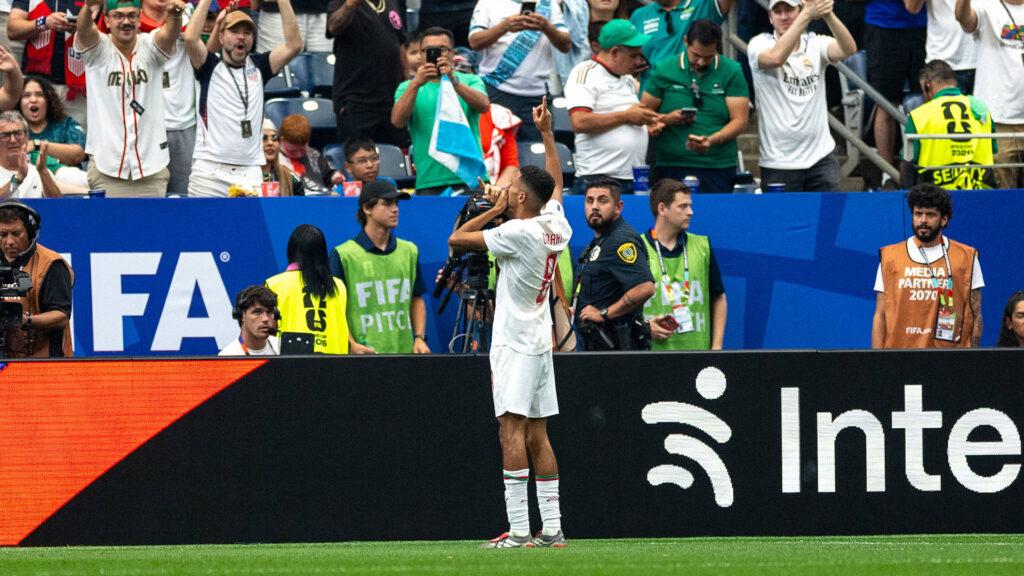
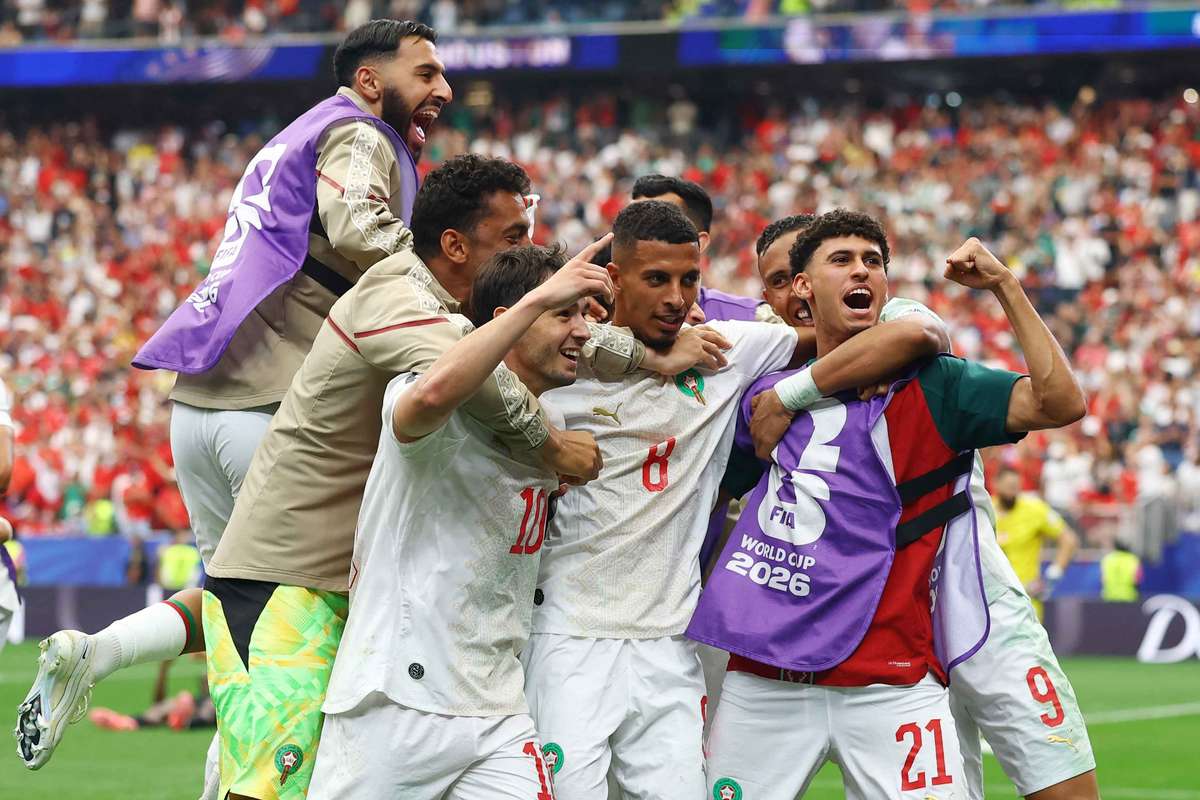
The goal had craft written through it. An inventive free-kick routine released Achraf Hakimi to find Azzedine Ounahi unmarked at the edge of the area. Ounahi’s sweep into the bottom corner was unhurried in the way only confident finishers manage—no panic, no extra touch, just the clean arc of a player who trusts the moment. Around him, Moroccan supporters exhaled as one. Across the way, the co-host sections went quiet in that specific way crowds do when a missed chance from the first half suddenly feels expensive.
Canada Push Back, Morocco Punish
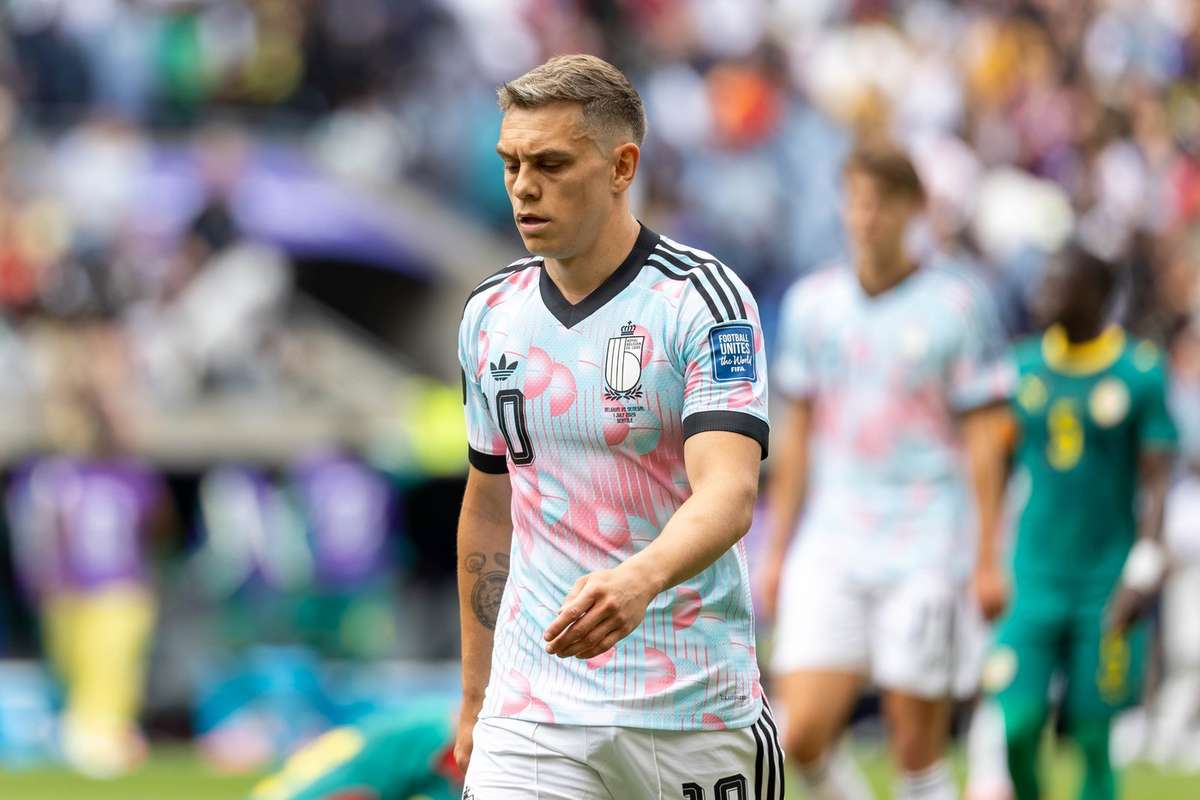
The second half developed into a study in contrasting rhythms. Canada’s last shot on target for a long spell remained Oluwaseyi’s early effort from the eleventh minute—a statistic that tells you how quickly the tide had shifted. When Jonathan David stood over a free-kick on the edge of the box with a little over ten minutes remaining, the stadium held its breath again. His clipped effort sailed over the bar, and the groan that followed was not only disappointment. It was recognition that the window was narrowing.
Jesse Marsch responded by reshuffling his options, and the change sparked a brief surge. Tajon Buchanan let fly from distance with real sting, forcing a save that needed turning around the post as Canada pressed for a lifeline. For a few minutes, the co-host support found its voice again—chants rolling in waves, drums answering from the upper tiers. The match data told the same story in numbers: Canada finished with eleven shots to Morocco’s five, eleven corners to one, yet only three found the target compared to Morocco’s four. Pressure without precision is a cruel companion in knockout football.
Morocco’s response, when it came, was clinical. Brahim Diaz broke down the right and chose the unselfish path, stepping inside to tee up Ounahi rather than forcing the issue himself. The second goal flew into the roof of the net—a finish that felt less like a surprise than a verdict. Ounahi had his brace. The tie, for all of Canada’s spirited resistance, was effectively settled.
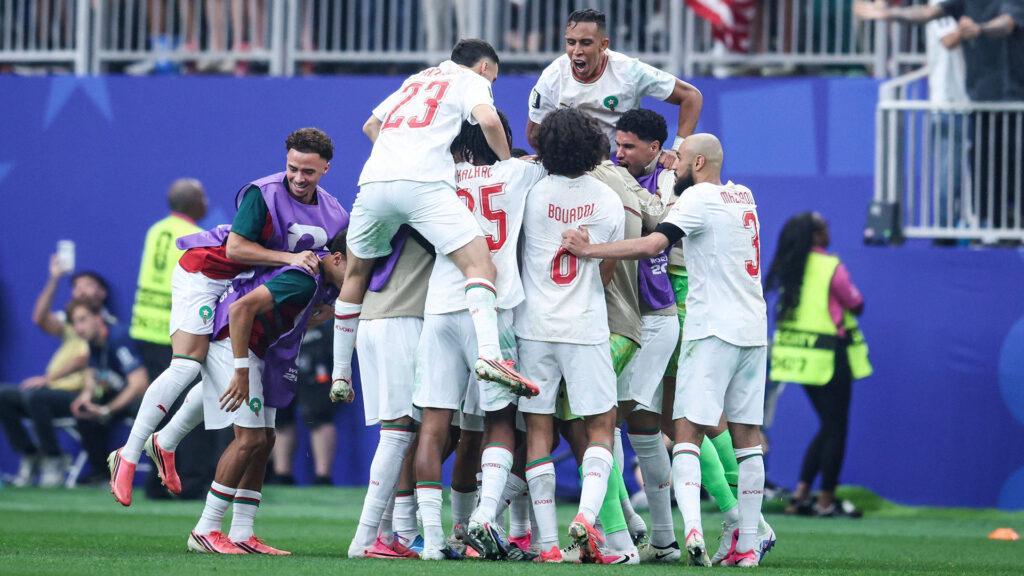
Soufiane Rahimi added a third with almost the last kick of the game, a late punctuation mark on a night that began with Moroccan uncertainty and ended with Moroccan certainty. The final 3-0 scoreline matched the shift in control after the break, even if it could never fully capture how competitive the opening hour had been.
What the Night Leaves Behind
For Morocco, the path forward is familiar territory dressed in new ambition. Seven wins from their last nine knockout ties at major tournaments is not a trivia note—it is a temperament. They know how to absorb uneasy first halves, how to trust a manager’s message at the interval, and how to convert slim advantages into safe passage. Ounahi’s performance will rightly dominate the headlines, but the broader picture is of a side that understands the economics of tournament survival.
For Canada, the immediate sting of defeat will linger in locker rooms and living rooms alike. Yet the broader arc of their World Cup campaign already carries historical weight. They arrived as co-hosts and left having pushed a top-ten nation deep into discomfort. The missed chances will replay in slow motion for days—Oluwaseyi’s early opening, Johnston’s header, David’s free-kick— but so will the nights when a country discovered in form. Canada go home with disappointment, yes, but also with a tournament footprint that will outlast one result. In the end, that is often what co-host campaigns are really about—not a single scoreline, but the memory of a nation hearing its name shouted back from a global stage.