














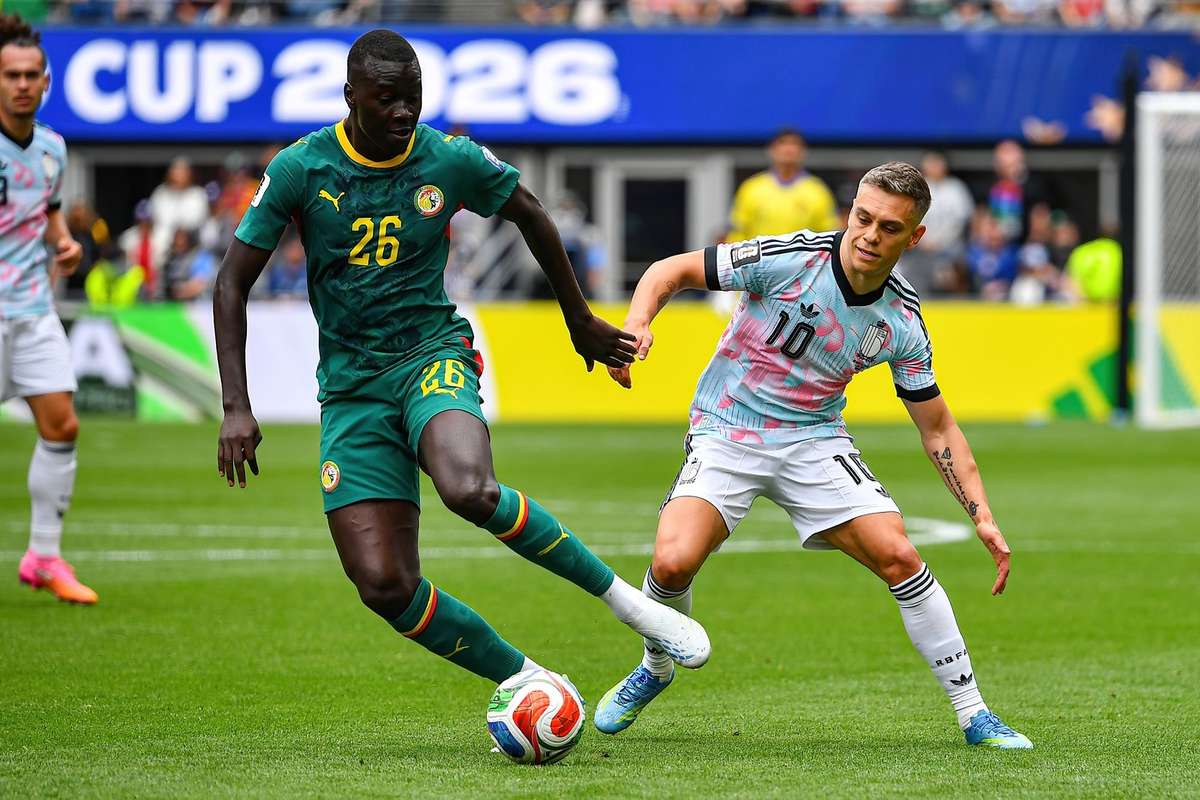
Senegal's World Cup run ended in the cruelest way imaginable, and the reaction arrived almost as quickly as the final whistle. Pape Gueye, who finished the tournament with two goals and a growing profile in midfield, used social media to draw a hard line: he will not play for the national team again while the current technical staff remains in charge.
The 27-year-old said he would return with more thoughts on the elimination, but his message was already unmistakable. After watching a commanding position slip away, Gueye chose public accountability over silence — and placed the coaching setup at the center of his decision.
A Lead That Vanished in Four Minutes
Senegal looked destined for the last 16 when Habib Diarra and Ismaila Sarr put them two goals ahead against Belgium. For long stretches, the African side controlled the rhythm of the tie and appeared ready to convert a strong tournament into a deeper run.
Gueye had been central to that progress. His two goals across the competition underlined his value in the engine room, and his influence was visible again until coach Pape Thiaw replaced him shortly after the hour mark. Lamine Camara entered as Senegal tried to protect the advantage, a substitution that would later become part of a much larger story.
Belgium, ranked ninth in the latest FIFA standings against Senegal's 14th, refused to accept elimination. Romelu Lukaku and Youri Tielemans struck in the final four minutes of regulation to level the score at 2-2 and force extra time.
The decisive moment came after a VAR review involving substitute Lamine Camara. Tielemans converted the resulting penalty, completing a 3-2 turnaround that sent Belgium through and ended Senegal's campaign in the round of 32.
Why Gueye's Statement Lands With Force
Public breaks between players and national-team structures are never simple, but Gueye's timing makes this one impossible to ignore. He spoke while the pain of elimination was still raw, and he tied his future directly to the identity of the bench rather than to a vague desire for change.
That framing matters. Gueye is not merely expressing frustration after one bad result. He is questioning the environment around a group that had genuine momentum before the collapse against Belgium. A two-goal lead in a knockout match is not a small detail; it is the kind of advantage teams at this level are expected to manage.
Thiaw's decision to withdraw Gueye with more than half an hour remaining will inevitably be examined alongside the late defensive lapse. Senegal had enough control to advance, yet the match turned on concentration, game management, and the fine margins that define knockout football. When those margins go against you, the coaching staff usually faces the first wave of scrutiny.
What This Means for Senegal Going Forward
Losing a player of Gueye's quality on principle would sting under any circumstances. Senegal had already shown they could compete with higher-ranked opposition during the tournament, and Gueye's contributions were part of that credibility. His absence would remove experience, goal threat from midfield, and a voice that clearly feels strongly about the direction of the program.
Belgium, meanwhile, move on with the momentum of a team that survived by refusing to panic. Tielemans' penalty was the formal end of Senegal's World Cup, but Gueye's response may shape the national conversation long after the final has been played.
For Senegal, the immediate challenge is twofold: absorb a painful exit, and decide whether the current technical staff can rebuild trust with a key player who has already said he is stepping away. In knockout football, leads can disappear in minutes. In squad politics, statements like Gueye's can linger far longer.