
















A World Cup semi-final against Argentina is not the kind of stage that forgives hesitation. The noise, the history, the weight of every pass — all of it lands harder when a manager is deciding who deserves to walk into the middle of the pitch. For Thomas Tuchel, that decision has quietly become one of the defining subplots of England's tournament run.
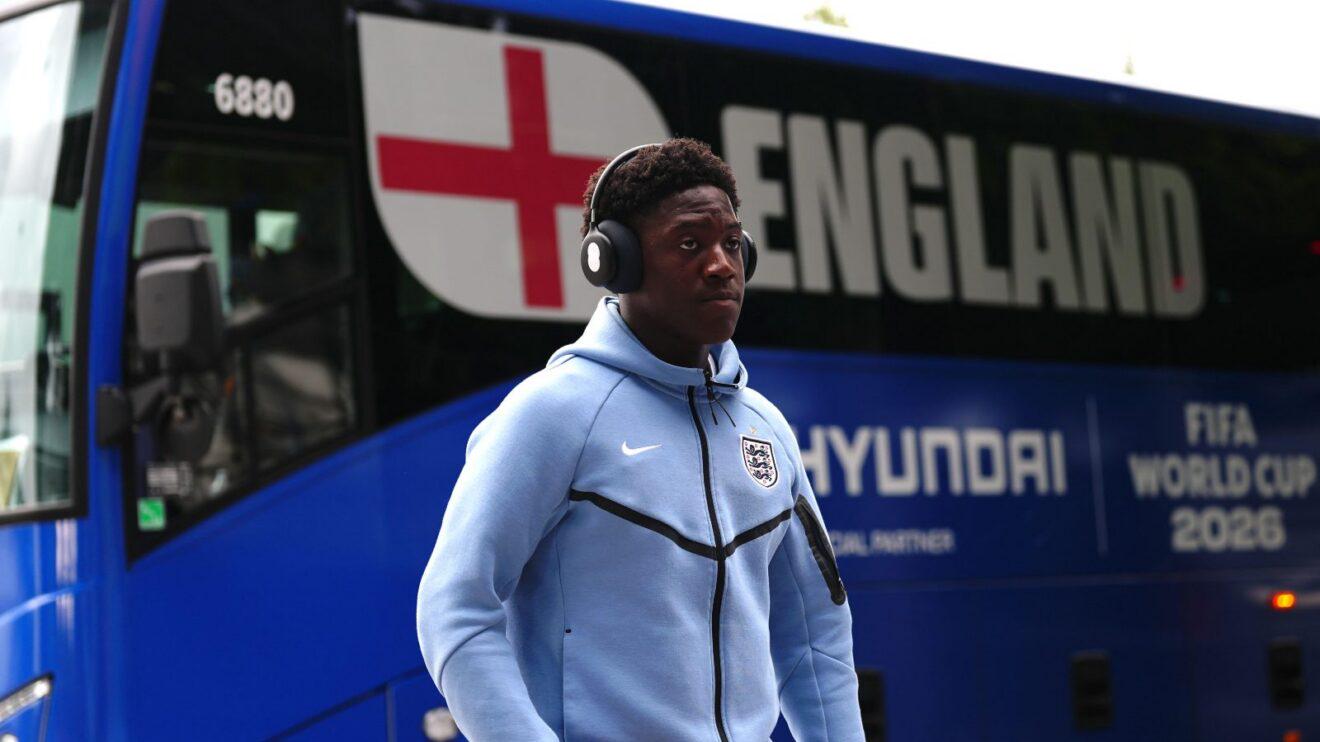
Kobbie Mainoo arrived in the squad on merit. His form during Manchester United's 2025/26 run-in helped push the club toward Champions League qualification, and that surge earned him a place in Tuchel's World Cup group. On paper, he looked like a player built for the rhythm of a major tournament: calm under pressure, technically secure, and comfortable linking defense to attack.
Yet as England prepare for Wednesday's semi-final against Argentina, Mainoo remains one of the team's few outfield players without a single minute on the field. Tuchel has leaned elsewhere. Declan Rice, Elliot Anderson, Jude Bellingham, Reece James and Jordan Henderson have carried the midfield load while Mainoo has watched from the margins.
The Unused Man in the Middle
That exclusion has been harsh by any standard. Mainoo did enough at club level to justify belief. At a World Cup, though, belief and selection are not always the same conversation. Tuchel's choices suggest he trusts a specific midfield profile for the moments that have mattered most — structure first, experience where possible, and players who have already lived inside the tempo of this tournament.
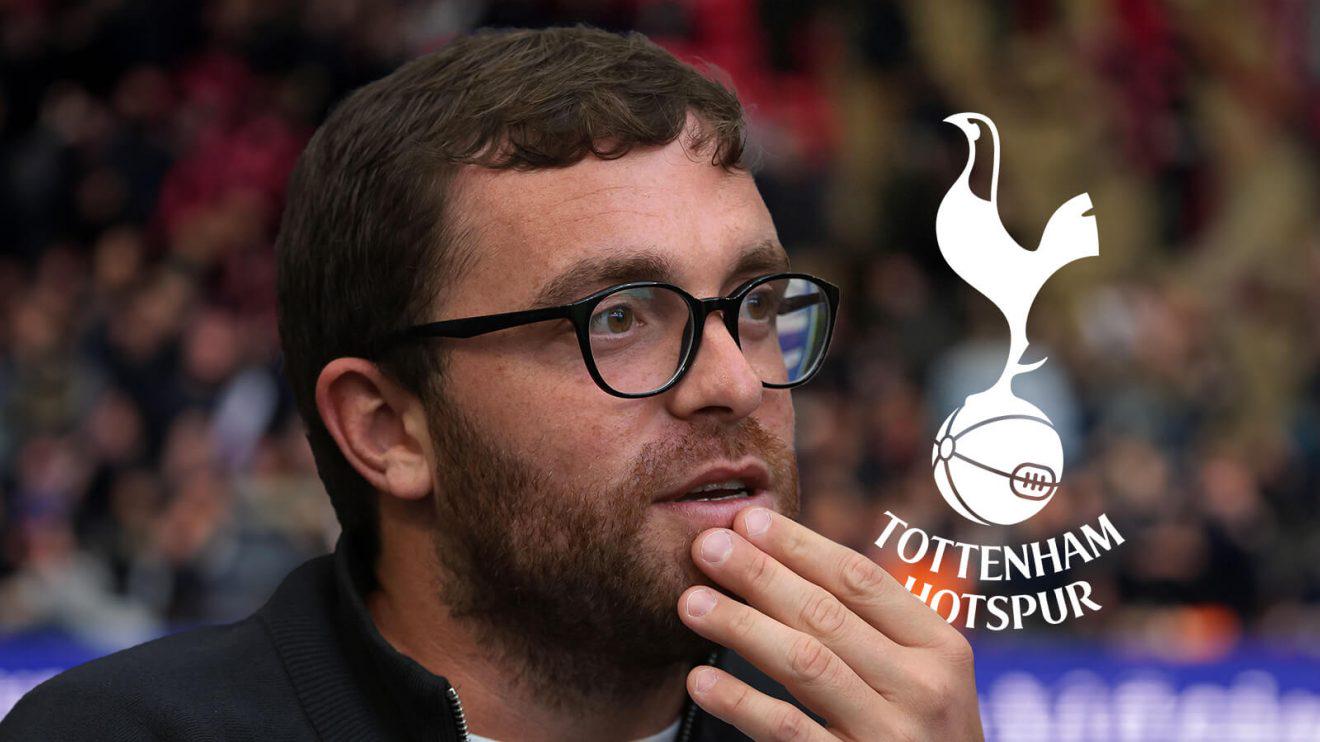
Former United midfielder Nicky Butt understands that logic, even if he does not fully agree with how it has played out for Mainoo. Speaking on The Good, The Bad and The Football podcast, Butt framed the issue less as a personal snub and more as a footballing risk calculation heading into the biggest game of England's summer.
"It seems like it's anybody but Kobbie Mainoo for Thomas Tuchel at the minute," Butt said. "He's bringing Reece James on who hasn't played for three weeks because of a hamstring injury. Only Tuchel will know why. I can't imagine Kobbie being a problem in the camp. But every manager has their favourites, of course they do."
That last line matters. World Cup squads are never pure meritocracies. Relationships, rhythm, and trust built across weeks of training all influence who gets the nod when the margins shrink. Tuchel's preference list has been clear enough that Mainoo's absence has started to feel deliberate rather than accidental.
Why Butt Hopes Mainoo Stays on the Bench
Butt's concern is not about talent. It is about timing.
"Do you know something? I actually hope Kobbie Mainoo doesn't come on now," he said. "Because he's probably so down. He's not played and he's not kicked a football in a real game. He's been training, obviously, but if he goes in now, the only thing he can do is bad."
That is a brutal assessment, but it comes from lived experience. Semi-finals punish players who are mentally sharp but match-rusty. Mainoo has been inside the camp, inside the meetings, inside the emotional rollercoaster of a World Cup — yet he has not had the one thing that steadies a midfielder in chaos: the feel of live contact, live tempo, live consequence.
Butt continued: "He's not going to be at the level to go and play at that level in a semi-final. I hope he doesn't come on. It's anybody but Kobbie for Tuchel. He won't be the first one to go to a World Cup and not play a minute. There's a few players who have done that."
There is sympathy in that reading. Being selected and then frozen out is one of the loneliest experiences in elite football. But Butt's argument is pragmatic. In a game against Argentina, where space closes quickly and mistakes are amplified by history, throwing a player into the fire without recent competitive minutes is not a gamble — it is an invitation for the exact kind of moment that turns a semi-final.
The Counter-Argument: Start the Player Who Changes the Tempo
Not everyone shares that caution. Former defender Stephen Warnock has made the opposite case, arguing that England may need Mainoo's qualities rather than avoid them.
Warnock expects Tuchel to line up with Elliot Anderson and Jude Bellingham in midfield, with Declan Rice completing the unit. But he questions whether that combination offers enough progression against a side as disciplined as Argentina.
"In midfield against Argentina, it will be Elliot Anderson and Jude Bellingham, then I think Thomas Tuchel will go with Declan Rice," Warnock told betTOM. "However, just given the way Rice has played so far — and I'll get a lot of criticism for this — I think he's got to be a lot more progressive with his passing through the lines. I would personally prefer to see Kobbie Mainoo in there. He's a different type of player, who can also play on the turn and carry the ball forward."
That is the tactical heart of the debate. Rice gives England security. He shields, he recycles, he keeps the shape intact. Mainoo offers a different threat: forward motion, tight control in traffic, and the ability to play through pressure rather than around it. Against Argentina, a team that often forces opponents into lateral passing and stalled attacks, that distinction is not cosmetic. It could decide whether England control the middle third or merely survive it.
Semi-Final Pressure and the Cost of Waiting
This is where the emotional weight of the occasion collides with cold selection logic. A World Cup semi-final against Argentina is not just another knockout game. It carries decades of accumulated tension — the old battles, the old wounds, the old fear of coming up short when the world is watching.
In that atmosphere, managers often reach for what they know. Henderson's inclusion at various points has reflected that instinct. James returning despite three weeks out with a hamstring issue suggests Tuchel is willing to prioritize trusted profiles even when fitness is not perfect. By that standard, Mainoo's continued absence looks less like a lack of quality and more like a lack of established trust in the manager's eyes.
But tournament football also rewards boldness when the default plan starts to look predictable. If Rice has not been progressive enough for Warnock's liking, then the question becomes whether England can afford another semi-final spent trying to unlock a deep block without a midfielder who attacks spaces vertically. Mainoo may be rusty. He may be frustrated. He may even be down, as Butt fears. He also may be the player most likely to change the speed of England's possession when the game tightens.
What Wednesday Will Decide
Tuchel alone knows whether Mainoo's tournament story ends with a defining cameo or with zero minutes and a long flight home full of what-ifs. The manager's track record in this competition suggests he will not make that call lightly. If Mainoo stays on the bench, it will be because Tuchel believes the risk of disruption outweighs the reward. If he plays, it will be because England need something different in the middle — not just more of the same.
Butt and Warnock are drawing opposite conclusions from the same set of facts. One sees a player too detached from match rhythm to help in a semi-final. The other sees a player whose skill set could solve the very problem England may face against Argentina. Both agree on the underlying truth: Mainoo's World Cup has become impossible to ignore.
When the teams walk out on Wednesday, the spotlight will fall on Kane, on Bellingham, on the back line, on the occasion itself. But tucked inside England's selection dilemma is a smaller, sharper question — whether a gifted young midfielder who has done everything except play should finally be trusted on the biggest night of all, or kept away because the only visible downside is the one that ends a World Cup dream.