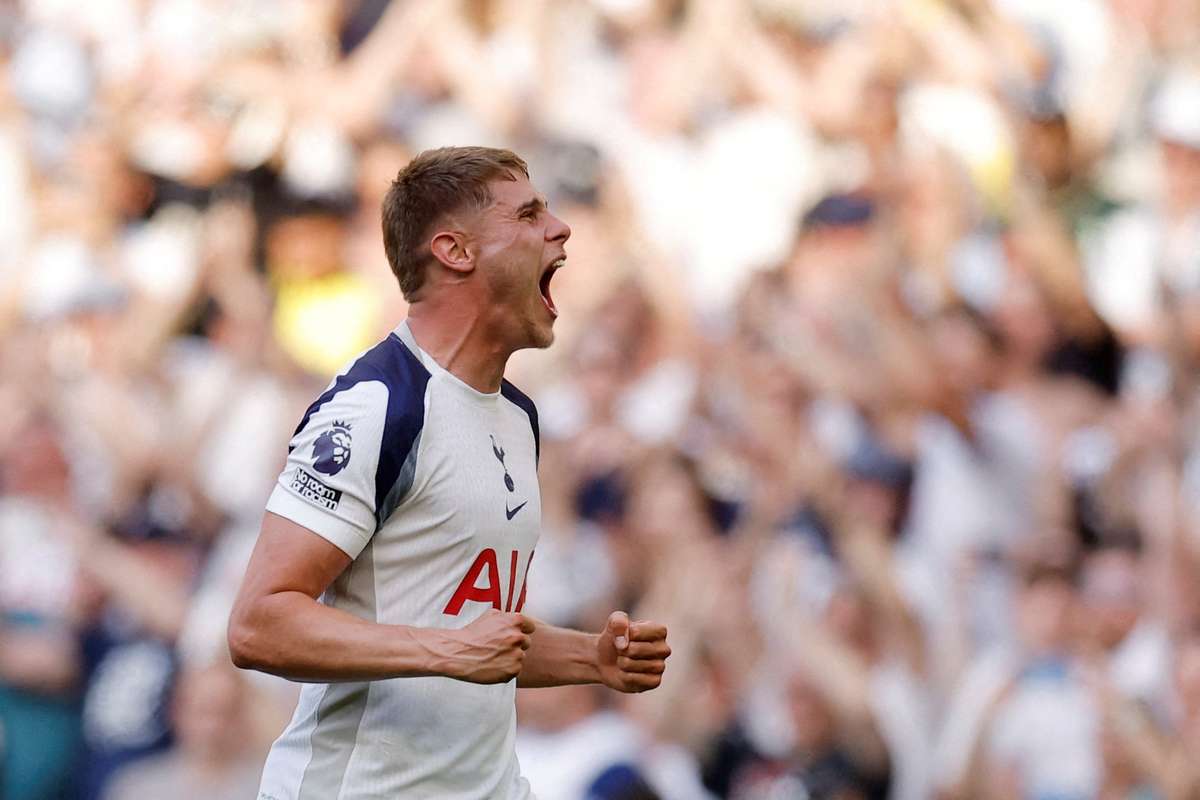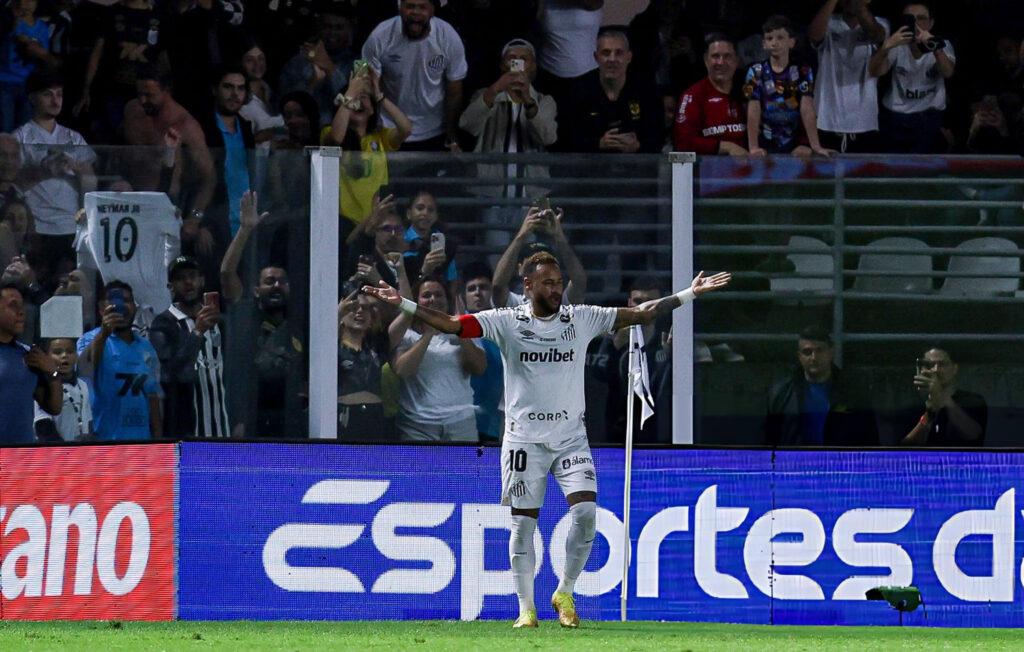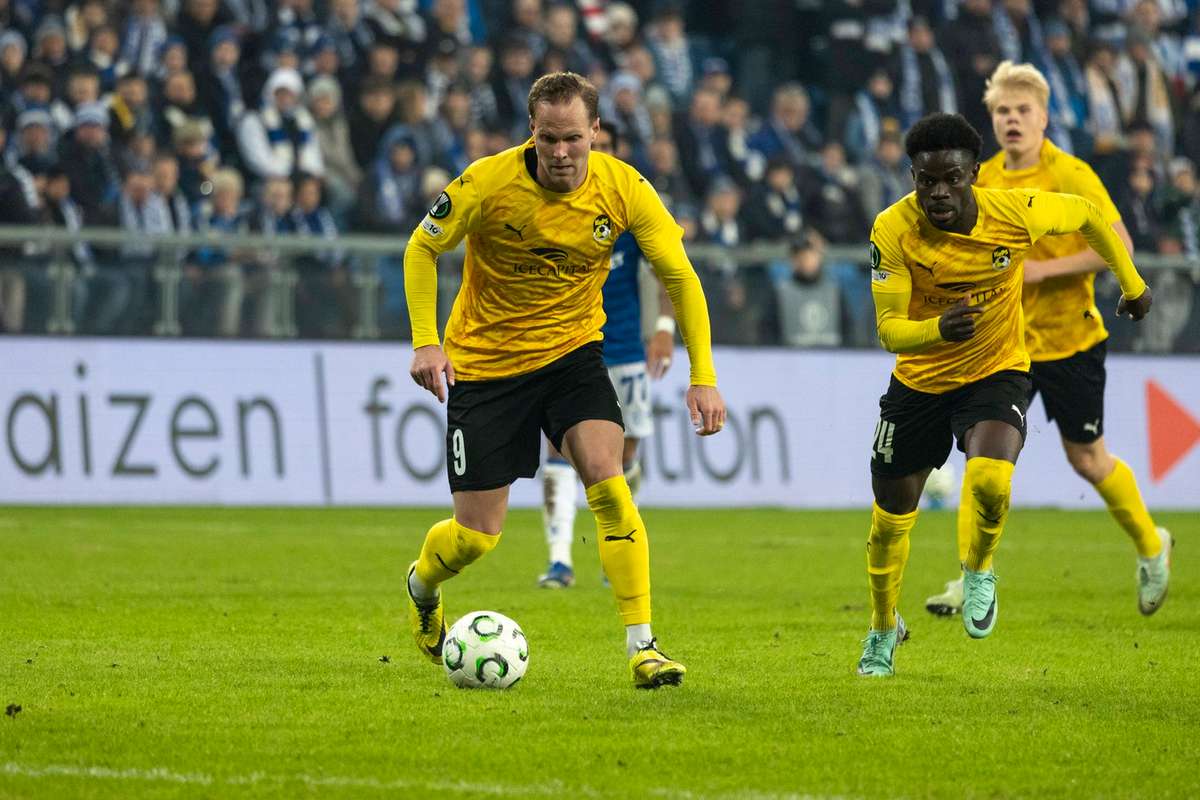














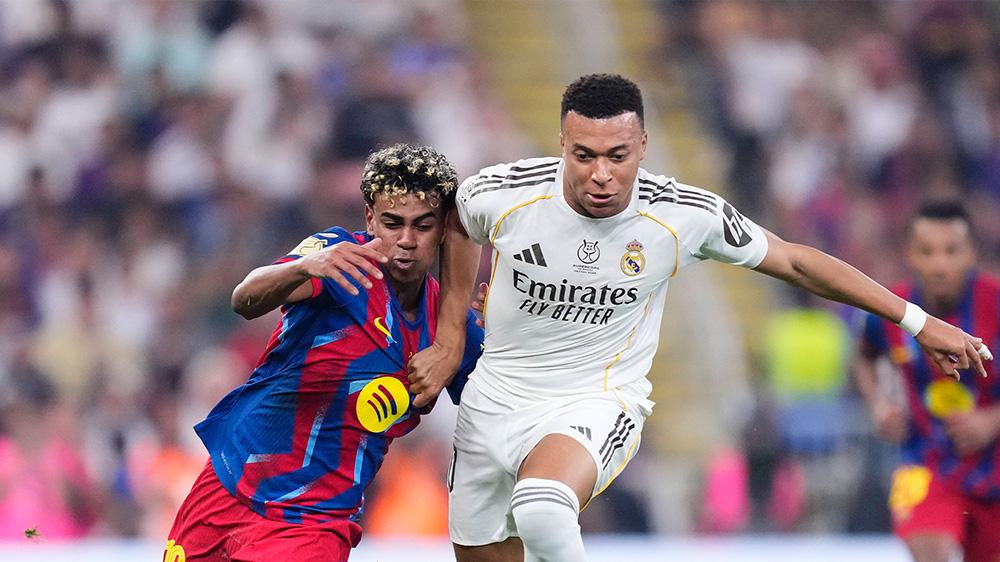
Two elite attackers meet in a World Cup semifinal, and the matchup writes its own headline. Kylian Mbappé has carried France as a pure finisher through six tournament games. Lamine Yamal has shaped Spain through balance, graft, and playmaking after a late-season knock at Barcelona. The question is not who is more famous. It is who has been better — and the numbers answer that question differently depending on whether you weigh knockout-stage impact, underlying chance quality, or full-season output.
World Cup 2026 Snapshot
The tournament data splits cleanly along role lines. Mbappé has been France's primary scoring threat. Yamal has been Spain's connective wide forward — less prolific in front of goal, but deeply involved in how La Roja move the ball and recover it.
Mbappé: Finishing Volume Meets Efficiency
Mbappé enters the semifinal with eight goals in six appearances and a tournament performance rating of 8.28. That is not a streak built on isolated moments. France have fed him early and often: he averages 5.0 shots per game, with 3.2 on target, and his expected goals sit at 5.39. He is outperforming his underlying chances, which tells you his finishing has been clinical rather than lucky.
The workload supports that reading. Mbappé has started every France game and averaged 86 minutes per appearance. He has been named in the Team of the Week twice. His top speed has been measured at 35.3 km/h — fast enough to threaten in transition, but the shot map is the more decisive signal. France are building their semifinal plan around a player who is both getting the chances and converting them at an elite rate.
His passing complements the scoring profile rather than competing with it. He completes 26.8 accurate passes per game at 87 percent and adds 2.7 key passes. That is tidy, functional distribution from a forward whose primary job in this tournament has been to finish sequences, not orchestrate them.
Yamal: Balance, Graft, and Controlled Minutes
Yamal's World Cup profile looks different by design and by circumstance. He has one goal in six appearances and a tournament rating of 7.25. On raw output alone, that trails Mbappé significantly. But the full statistical picture shows a player contributing across more phases of play — with minutes managed carefully after his end-of-season injury.
Yamal averages 68 minutes per match, a clear nod to Spain's load management. His shot volume reads 3.8 attempts per game with 1.7 on target, against an xG of 1.51. The conversion rate sits at 4 percent, which is low and worth noting honestly. Spain are not relying on him as their primary finisher in this competition.
Where Yamal's numbers climb is in the work between both boxes. He covers 9.1 km per 90, registers 10.2 sprints, and has hit a top speed of 35.5 km/h — marginally higher than Mbappé's peak in this tournament. On the ball, he completes 26 passes at 83 percent, adds 3.5 successful dribbles per game, and contributes 3.5 ball recoveries. That combination helps Spain control tempo, progress through pressure, and win the ball back in advanced areas.
The contrast is structural. Mbappé's tournament has been about end product. Yamal's has been about multi-phase involvement with finishing as one piece of a broader role.
What the Underlying Metrics Actually Say
Expected goals and shot quality remove some of the noise from raw goal totals. Mbappé's gap between 5.39 xG and eight actual goals is the profile of a forward in peak scoring form at the most important stage. Yamal's 1.51 xG against one goal reflects both limited finishing volume and a cold conversion spell — but it also reflects a player operating in a system that spreads chance creation across the front line.
Minutes context matters too. Mbappé's 86-minute average means France have treated him as a full-match focal point. Yamal's 68-minute average suggests Spain have prioritized keeping him available for the decisive phases rather than burning him in every minute of every game. That is a tactical choice as much as a medical one, and it shows up directly in the counting stats.
Passing volume is nearly identical in raw terms — Mbappé at 26.8 accurate passes, Yamal at 26 — but the key-pass and dribble numbers tilt toward Yamal as the more active creator in tight spaces. Mbappé's 2.7 key passes against Yamal's wider dribbling and recovery output reinforces the role split: one player is finishing chains, the other is starting and extending them.
Club Season Scoreboard
At club level, the narrative flips. Yamal's Barcelona season reads like a breakout campaign with end product and silverware attached. He played 45 matches, scored 24 goals, supplied 17 assists, and posted a season rating of 7.95. Barcelona lifted LaLiga ahead of Mbappé's Real Madrid and also won the Supercopa. Team success underlines how his creative output translated into points and trophies. Even while managing a late-season knock, he stayed influential in key league games.
Mbappé's club season was a scoring avalanche without medals. He played 44 matches for Real Madrid, scored 42 goals, and added six assists. His season rating came in at 7.68. The numbers show ruthless finishing and centrality to Madrid's attack. Yet the campaign ended without a trophy, which frames the narrative differently: individual production at an extraordinary level, collective reward that never arrived.
That club-season contrast is important when evaluating "who has been better" across the full calendar. Yamal's 41 combined goal contributions in 45 games plus two trophies represent all-around impact tied to winning. Mbappé's 42 goals in 44 games represent a more concentrated scoring profile without the same team reward.
Tactical Roles and How Each Team Uses Them
France's semifinal plan likely continues to funnel chances toward Mbappé through early wide service and transition attacks. His shot volume and xG overperformance suggest Deschamps' staff have built a system where he does not need to create from deep — he needs to be in the right place at the right speed when the chance arrives.
Spain's use of Yamal is more layered. His dribbling and recovery numbers point to a player asked to beat the first line, hold width, and contribute defensively when the press turns over. Luis de la Fuente's side have accepted lower direct goal output from Yamal in exchange for control and progression. The managed minutes reinforce that he is a high-value asset deployed selectively rather than a pure No. 9 asked to decide every game with one touch.
In a single elimination semifinal, those role differences matter tactically. Mbappé's edge is decisiveness in the penalty area under pressure. Yamal's edge is sustaining Spain's rhythm and creating the conditions for others to finish — even if his own conversion rate in this tournament has been poor.
Verdict From the Numbers
If the question is who has been the better finisher at the World Cup, Mbappé wins clearly. Eight goals, superior xG efficiency, higher rating, and full-match deployment make that case without much debate.
If the question is who has been the more complete wide attacker across club and international duty over the past year, Yamal's assist volume, trophy haul, and multi-phase contribution complicate the picture. His tournament scoring has underwhelmed, but his overall body of work — 24 goals and 17 assists for Barcelona, plus Spain's structural reliance on his dribbling and recovery — argues for a broader definition of "better."
The semifinal will not settle that debate with statistics alone. But the data already tells you what each team is betting on. France are backing a forward in the best scoring form of the tournament. Spain are backing a creator whose best goal-scoring stretch came at club level and whose current value lies in everything that happens before and after the shot.
That is the real split behind the headline. Mbappé has been better where goals decide narratives. Yamal has been better where buildup, balance, and team success define the story. Tonight, both versions of "better" collide — and the numbers suggest France need Mbappé's finishing to hold, while Spain need Yamal's all-round game to finally translate into end product on the biggest stage.