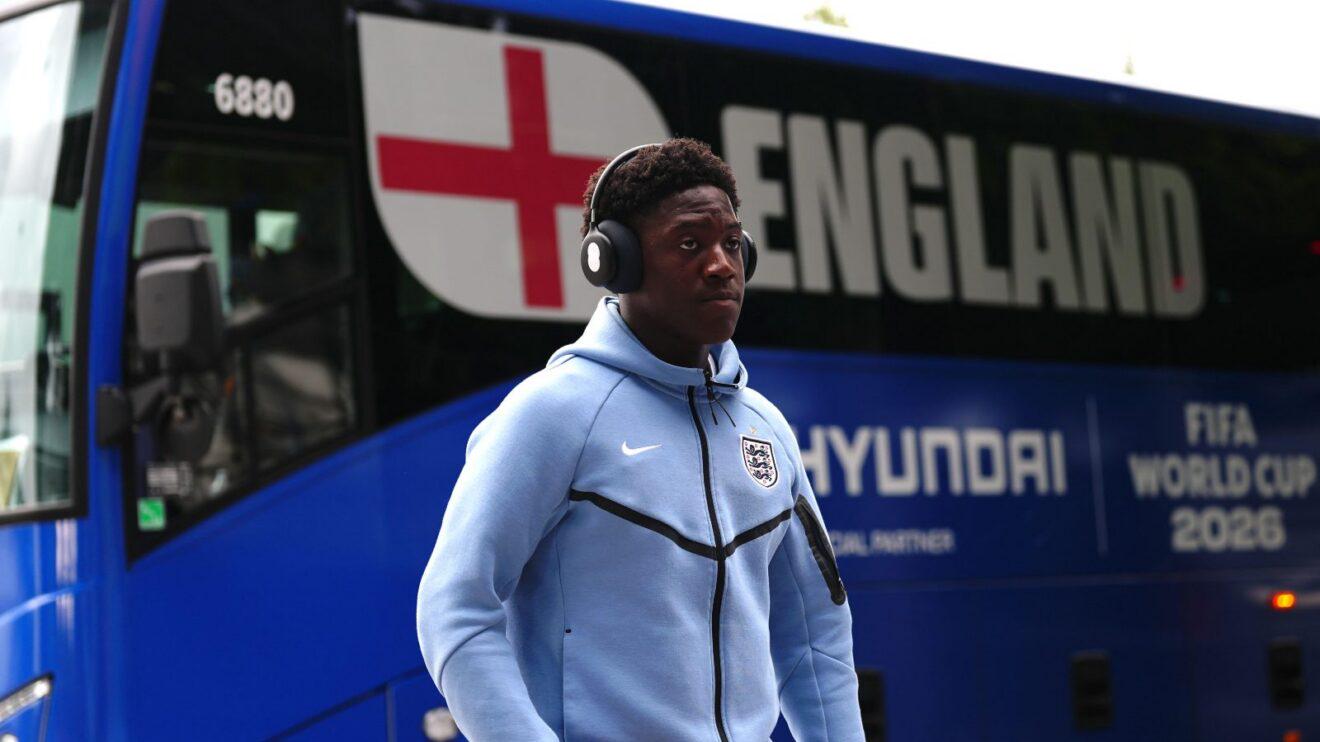


















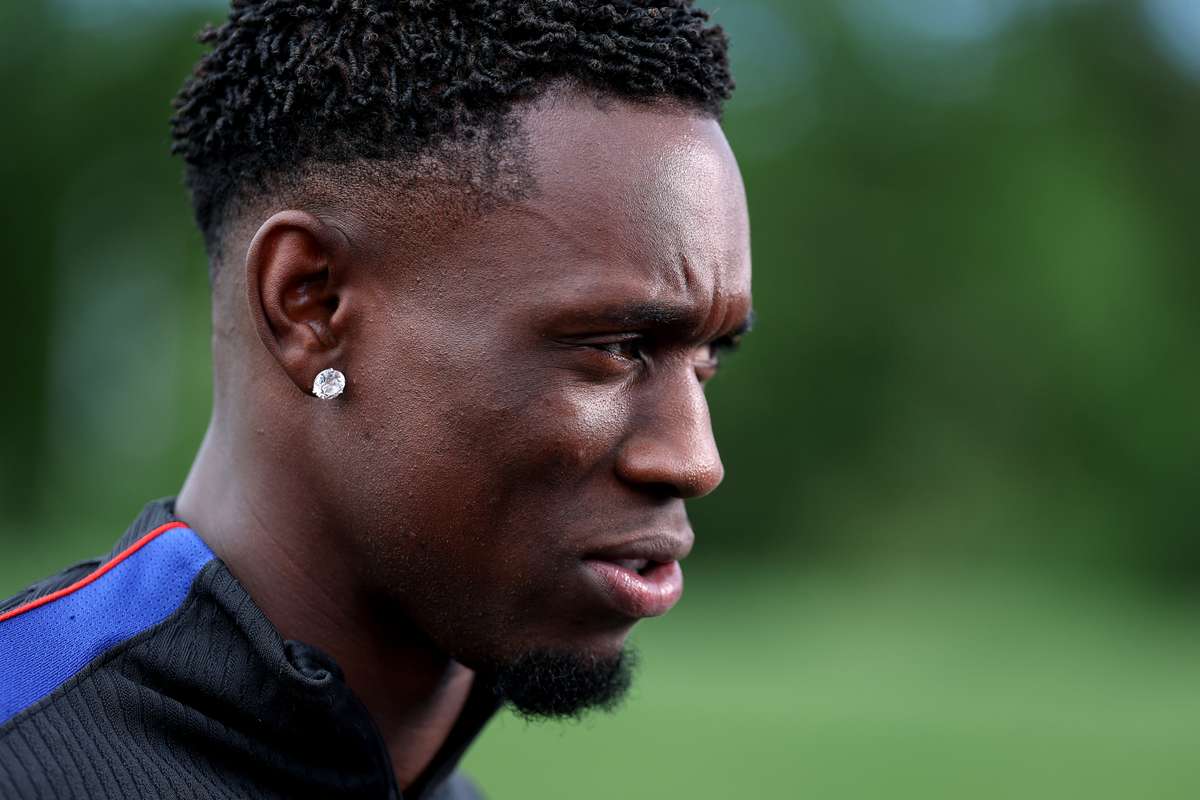
The arc of a World Cup campaign rarely follows a straight line. One night a striker writes himself into national folklore; the next, he is watching training from the margins, suspended for the round that defines a generation. Folarin Balogun has lived both extremes inside seventy-two hours, and the United States now heads into its last-16 meeting with Belgium carrying not just tactical questions, but the emotional residue of an incident that split opinion across the tournament.
From Match-Winner to Matchday Absentee
Balogun's Wednesday against Bosnia was the kind of performance that compresses an entire tournament narrative into a single ninety-minute frame. His third goal of the World Cup gave the Americans an early lead and extended a run that had already turned the Monaco forward into one of the breakout stories of the group stage. For a player who built his club career abroad and fought for his international identity, the scoring streak carried extra weight: each finish felt like proof that the U.S. had found a finisher capable of deciding knockout football.
Then the second half rewrote the headline. Balogun was dismissed after landing on the ankle of Bosnia defender Tarik Muharemovic, an episode that looked clumsy in real time and punitive in retrospect. Mauricio Pochettino did not hide his frustration, describing the contact as accidental and questioning whether a red card matched the nature of the challenge. Balogun echoed that assessment with unusual clarity for a player still processing the moment.
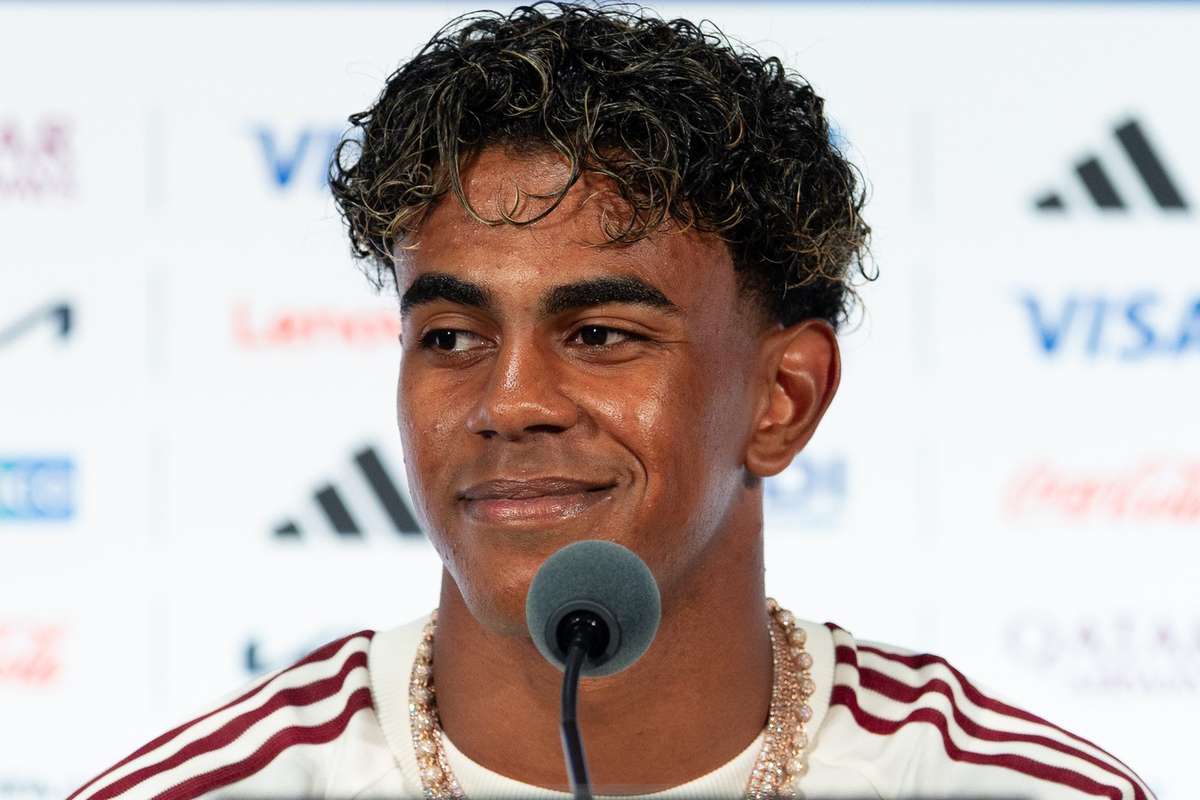
"It's been a rollercoaster, there's been lots of different emotions," he said before Friday's training session. "I've been sad, I've been happy, it's been surreal to be honest. It's important for me to say, obviously, first and foremost, it was totally unintentional, which I'm sure a lot of people know. I don't think it was the correct call. I think a yellow card would have been fair."
That honesty matters because knockout suspensions rarely arrive in neutral circumstances. They land when a squad is ascending, when momentum feels fragile, and when every available body carries tactical value. Balogun's absence against Belgium is not merely a personnel change; it is a disruption to the emotional rhythm Pochettino has cultivated through the group phase.
The Historical Echo of Stars Watching From the Bench
World Cup history is littered with influential players forced into passive roles at the worst possible moment. Think of the suspended talisman pacing the technical area, or the sent-off leader trying to transmit calm through a television screen. The dynamic is always the same: the team must replace not only the player's output, but the psychological anchor he provides.
Balogun appears to understand that inheritance. Rather than retreat into private frustration, he has reframed his Monday assignment as support work with public consequence.
"Just to support the boys, support the team," he said when asked how he could contribute without being on the pitch. "I love seeing how engaged the country is in our journey and what we're doing. I think my role is just to continue to support everybody, to keep morale high."
It is easy to dismiss sideline energy as cosmetic until you remember how thin the margins become in last-16 football. Belgium enters this tie ranked among the world's elite sides, a team built to control phases, absorb pressure, and punish hesitation. The Americans will need more than a replacement striker; they will need a collective belief that one refereeing decision does not unravel a month of work.
That is where Balogun's declared role as morale keeper gains practical value. Pochettino's squads have long responded to vocal leadership, and a suspended scorer who publicly commits to the group can still shape the dressing-room temperature. The challenge is converting words into behavior when cameras are not present.
Belgium Waits With Familiar Knockout Pedigree
The opponent adds another layer to the comparison. Belgium carries the profile of a side that has repeatedly arrived at major tournaments with golden generations and left with unfinished business. Their recent World Cup campaign data reflects a team comfortable dominating possession and creating volume: wins built on 19 and 35 shots, stretches of 52% and 55% control, and the kind of structural patience that wears down opponents who chase the game.
That profile creates a specific stress test for the United States. Without Balogun's direct running and finishing threat, Pochettino may need to emphasize compactness, transition speed, and the sort of collective discipline that keeps Belgium from settling into their preferred rhythm. The tactical board will change; the emotional assignment will not.
Balogun's suspension also forces a broader selection conversation. Who leads the line? Who carries the penalty-area presence that Balogun supplied against Bosnia? Those answers belong to the coaching staff, but the striker's public stance suggests he wants the debate framed constructively rather than as a crisis narrative.
High Spirits and the Weight of a Nation
If tone alone could decide knockout ties, Friday's training offered encouraging signs. The U.S. squad worked in high spirits, a detail that should not be overstated but also should not be ignored. Pochettino opened the day with baseball preparation ahead of throwing the ceremonial first pitch at a Seattle Mariners game later, a light diversion that nonetheless underscored the cultural spotlight on this team. When a head coach can afford a playful detour two days before a last-16 fixture, it usually signals a group that has not fractured under pressure.
Defender Tim Ream's appearance at a nearby ballpark added to the relaxed atmosphere, with reports that he impressed at the plate. Small moments like that rarely appear in tactical previews, yet they often reveal squad cohesion more honestly than curated interviews. A team that can laugh together after a controversial dismissal is a team still capable of competitive focus.
Balogun's own emotional range reflected that contrast. He described NBA icon LeBron James' reaction to his celebration as "a surreal moment," a reminder that this World Cup has pushed American players into a global celebrity orbit they are still learning to navigate. The joy of recognition collided with the reality of suspension, producing the mixed feelings he acknowledged openly.
That collision is familiar in tournament football. Euphoria and consequence often arrive in the same breath. The measure of a squad is not whether it avoids those collisions, but whether it metabolizes them quickly enough to perform when the stakes rise again.
What Monday Demands
Against Belgium, the United States will need clarity in two separate channels. On the field, Pochettino must solve a structural problem created by losing his most in-form forward at the worst time. Off the field, Balogun must deliver on his promise to remain an active emotional contributor even without a jersey number on the team sheet.
Knockout football has always rewarded sides that treat setbacks as plot twists rather than endings. Balogun's Bosnia night gave the U.S. a lead and a controversy in equal measure. His Monday cannot restore the goal that was taken off the board, but his willingness to stand publicly behind the group may yet influence the atmosphere in which the replacement XI walks out.
The red card debate will continue among pundits and supporters. Balogun has made his position clear: unintentional contact, a yellow would have been fair, a suspension he accepts even as he disputes the verdict. That balance—accountability without surrender—may be the most useful tone he can set before kickoff.
For a player who scored three times in the group stage and then lost his place through a single split-second fall, the World Cup story is not finished. It has merely changed shape. Monday against Belgium, the United States plays for continuation. Folarin Balogun, from the touchline, will play for belief.