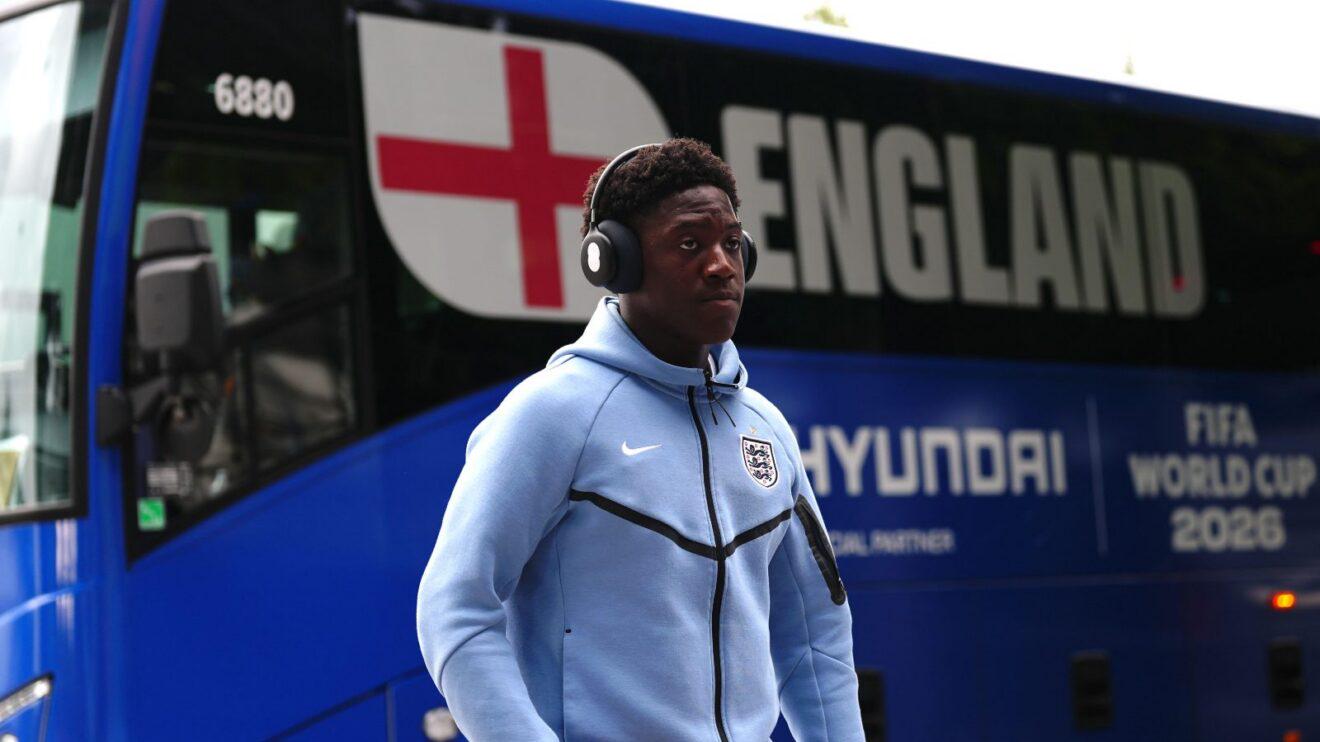












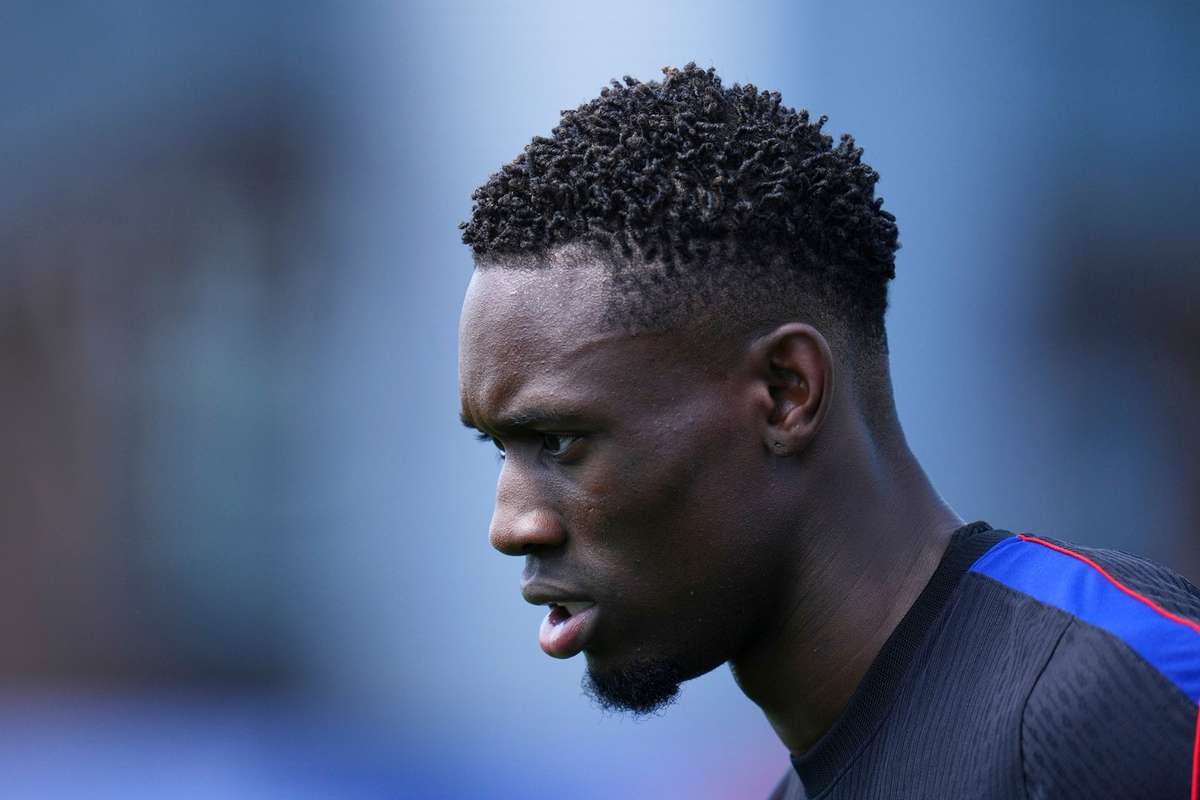
If you are planning to watch the United States' last-16 tie against Belgium in Seattle on Monday, the lineup picture just changed in a major way. Folarin Balogun, who had looked certain to miss the knockout fixture after a straight red card in the round of 32, is now eligible to play after world football's governing body paused enforcement of his automatic one-match suspension for a full year.
For ticket holders, travel planners, and anyone tracking the co-hosts' run at the World Cup, that single procedural shift alters everything from pre-match team news to in-stadium atmosphere. Balogun has been one of the Americans' most reliable finishers in the tournament, with three goals to his name. Losing him for a home knockout game would have been a significant blow. Instead, fans arriving at the venue can expect him in contention for a starting role or, at minimum, a high-impact substitute option off the bench.
The disciplinary chain began in the United States' 2-0 victory over Bosnia-Herzegovina in the round of 32. Balogun was sent off after a video review for stepping on an opponent's foot. Under standard tournament rules, a direct red card carries an automatic one-game ban with no appeal window built into match-day procedure. That is the framework every team, official, and supporter assumes when they enter knockout football.
European football's governing body did not mince words in response to the reversal. In a sharply worded statement, UEFA said the decision to suspend implementation of the ban for a probationary year "crossed a red line." The organization argued that football depends on rules applied consistently across every competition and territory, and that a World Cup decision of this kind can ripple far beyond a single fixture.
"Football is the most loved sport in the world because it is a beautiful game and is trusted because it is played everywhere with the same laws," UEFA said, adding that it viewed the ruling as "unprecedented, incomprehensible and unjustifiable." For supporters trying to understand why the backlash is so intense, the core issue is precedent: if automatic sanctions can be deferred without a transparent legal pathway, the certainty that underpins fair competition starts to erode.
The reprieve also arrived amid heavy political pressure. Former President Donald Trump called FIFA president Gianni Infantino to request a review of Balogun's punishment, according to reports citing people familiar with the matter. U.S. Secretary of State Marco Rubio publicly urged that the card be rescinded. FIFA's disciplinary committee ultimately announced Sunday that the ban would not take effect during the one-year suspension period, though the body offered no detailed explanation for the timing or reasoning behind the move.
Trump later praised the outcome on social media, writing that FIFA had reversed a "great injustice." Across the Atlantic, the reaction from the American opponents could hardly have been more different. Belgium head coach Rudi Garcia told reporters he felt as though the calendar had flipped to April Fool's Day, saying he did not expect the World Cup to operate under what he portrayed as arbitrary standards.
Belgium arrives ranked ninth in the FIFA standings and will test the United States in a fixture that already carried extra tension as a meeting between European pedigree and home-soil momentum. Garcia's squad now must prepare for a striker they had likely crossed off their pre-match planning sheet only days earlier.
From a pure match-day standpoint, here is what changes on the ground in Seattle. Expect Balogun's name in published squad lists and warm-up routines. Anticipate renewed debate in the broadcast booth about the incident that produced the red card and the process that cleared him. Prepare for a louder, more charged environment if he scores or plays a decisive role. And know that whatever happens on the pitch, the fallout over how this decision was reached will likely continue long after the final whistle.
The football itself still kicks off as scheduled. The rules conversation, however, has already become one of the defining subplots of this World Cup knockout round.