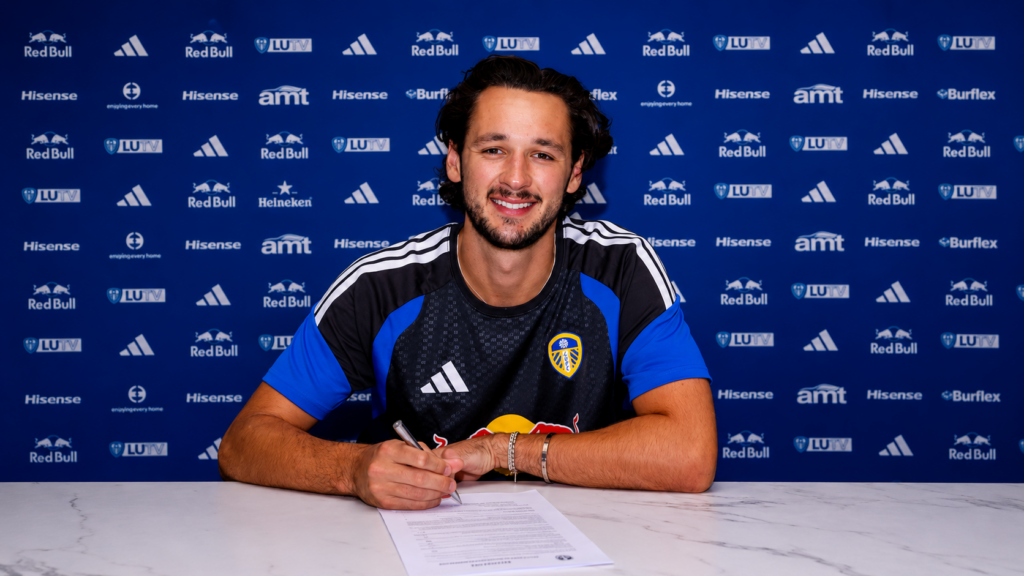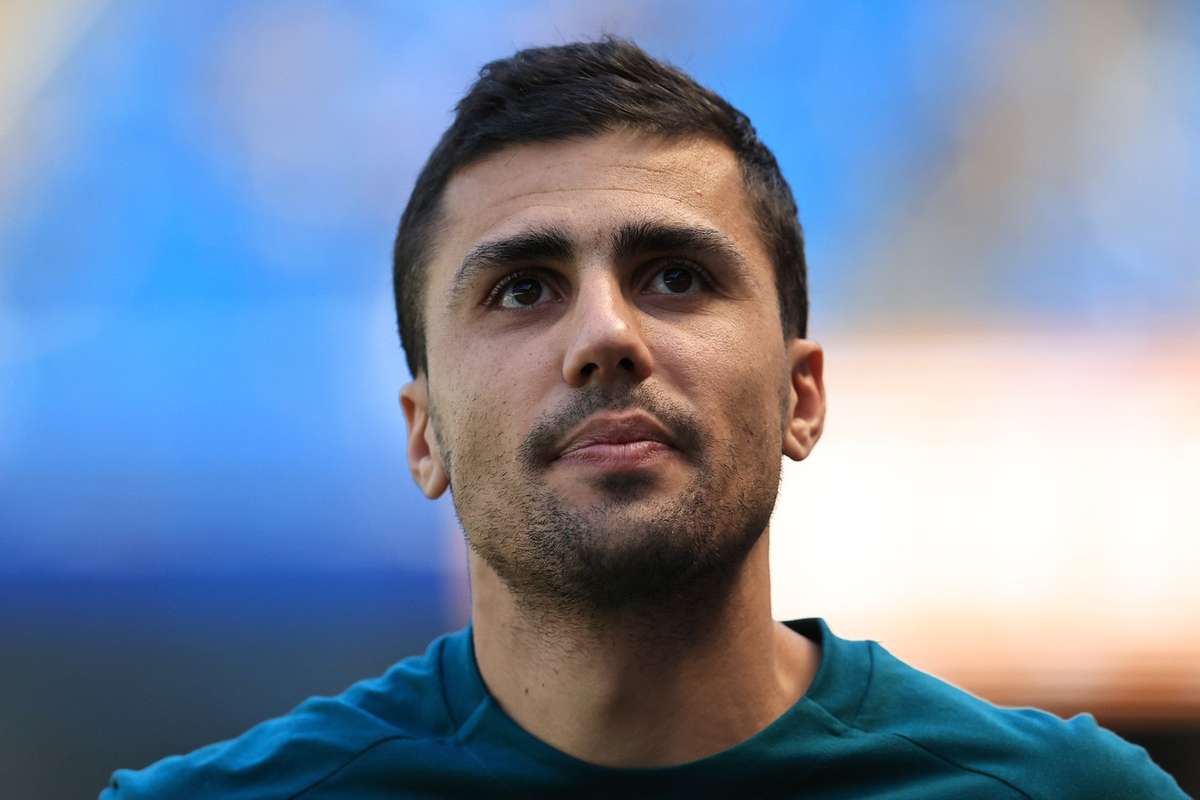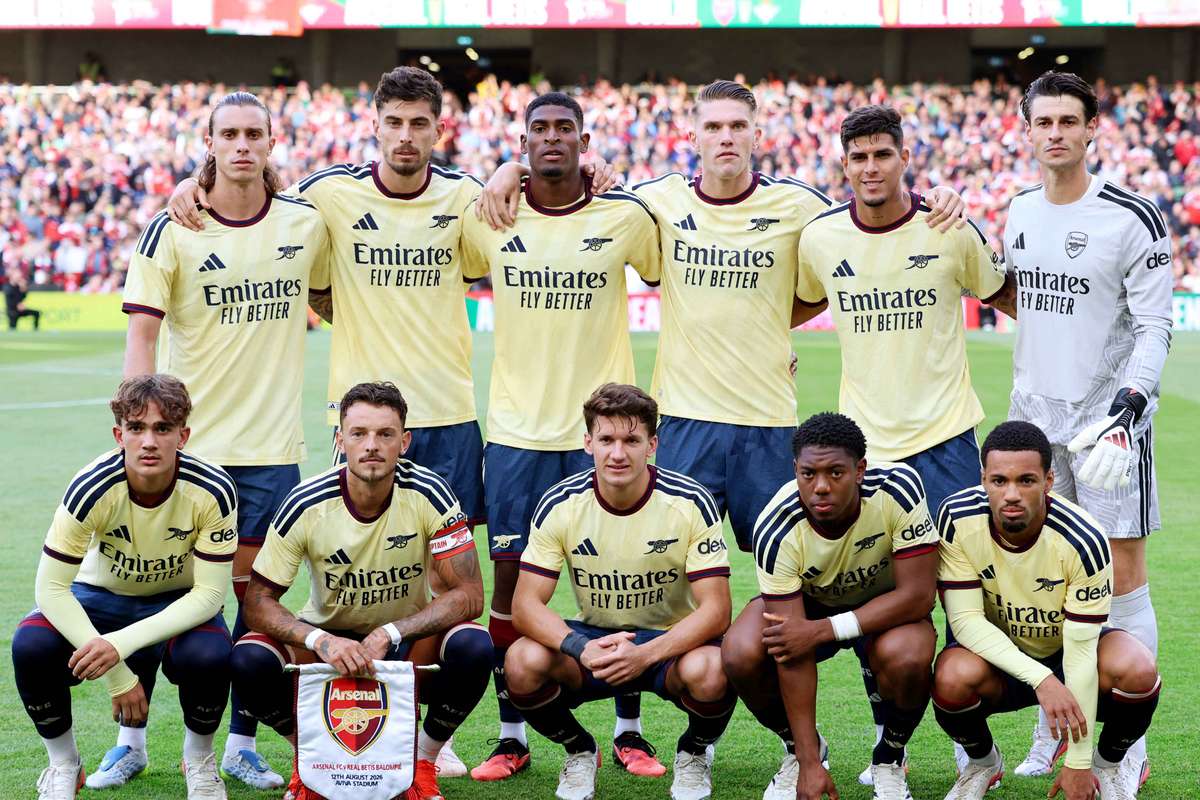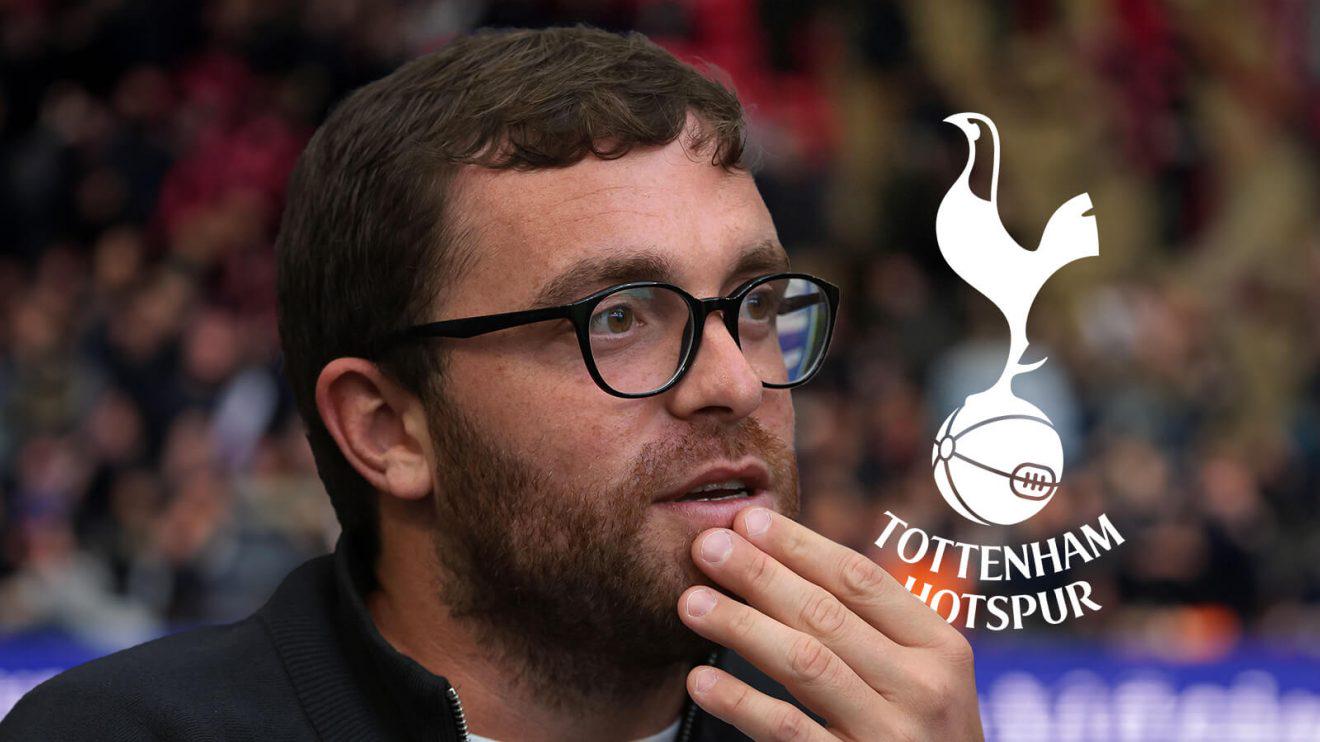




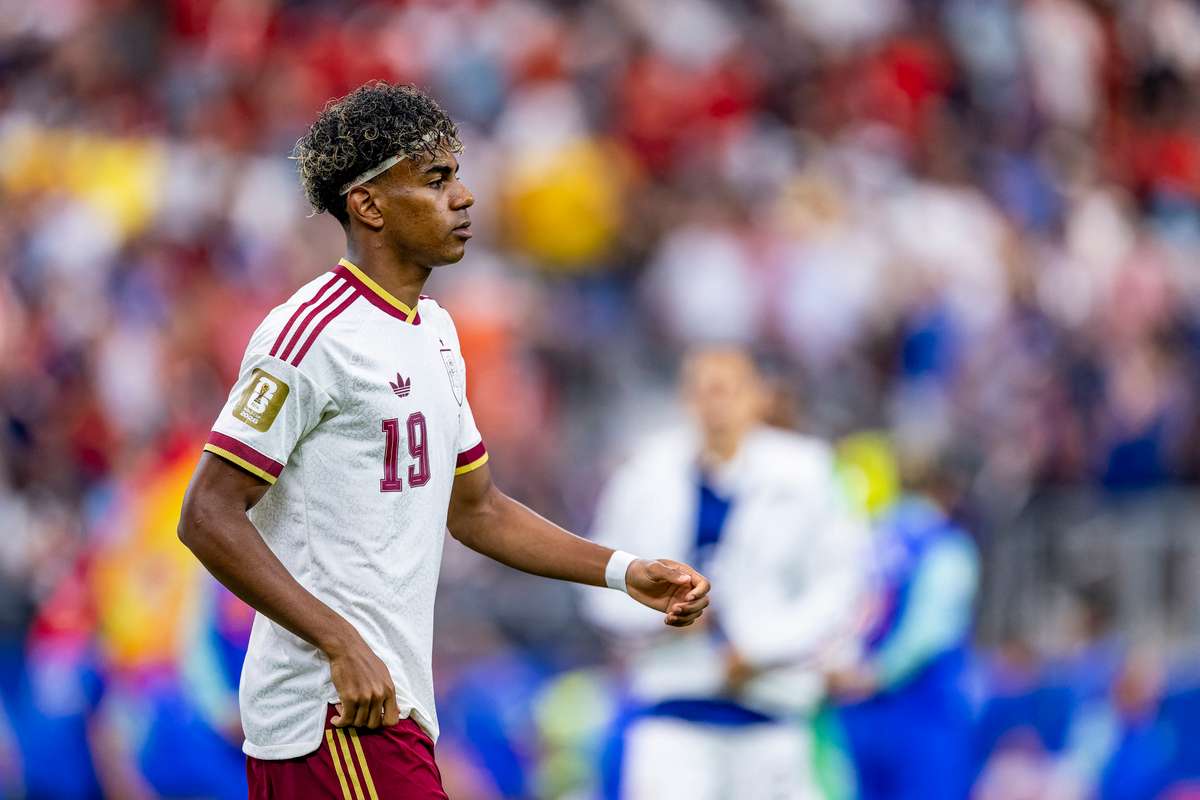
Tonight's final carries African fingerprints again. Same thread, different stage. Spain arrive with Nico Williams, whose parents came from Ghana, and Lamine Yamal, whose father is Moroccan and whose mother is Equatorial Guinean. Injury has clipped Nico's minutes across Canada, Mexico, and the United States — ironic, given his elder brother Inaki once wore Ghana's Black Stars shirt in this same tournament cycle. Yamal has started every match, found the net once, and still looks like La Roja's most dangerous outlet even when the numbers disagree.
That is not a coincidence. It is a pattern.
Since 1998, African heritage has sat inside every World Cup final. Not on the periphery. In the spine of the winning team, the losing team, or both.
Start with Paris, 1998. France dismantled Brazil 3-0 at Stade de France. Ghana-born Marcel Desailly anchored the back line. Zinedine Zidane, whose parents came from Algeria's Kabylie region, scored twice and owned the night. Patrick Vieira, born in Dakar, came off the bench. Morocco's Said Belqoba became the first African referee to take charge of a final, with Cape Town's Achmat Sallie on the line. Europe lifted the trophy. Africa shaped who lifted it.
Yokohama, 2002. Brazil beat Germany 2-0. Gerald Asamoah, Ghana-born, came on for Die Mannschaft as a substitute. Another final, another African thread stitched into the German bench.
Berlin, 2006. France lost to Italy on penalties, but the story inside the story was familiar. Zidane's red card ended his career in chaos. Vieira started. Kinshasa-born Claude Makelele controlled the midfield. Aliou Diarra, of Senegalese heritage, came on late. The final turned on a headbutt. The squad composition turned on diaspora.
Johannesburg, 2010. The only final ever played on African soil. Spain edged the Netherlands after extra time at Soccer City. No African nation in the match — but the continent hosted the decider for the first and still only time. Geography mattered even when the lineups did not.
Rio, 2014. Germany won. Jerome Boateng, whose father came from West Africa, started in the side that beat Argentina. Ghana did not reach that stage. Ghanaian influence did.
Moscow, 2018. France beat Croatia 4-2 in the rain, and the African roots ran deep. Cameroon-born Samuel Umtiti scored the winner from a corner. Paul Pogba, whose parents came from Guinea, drove the midfield. N'Golo Kanté, born in Paris to Malian parents, covered ground nobody else could. Blaise Matuidi, with an Angolan father and Congolese mother, brought balance. Kylian Mbappé, whose father was from Cameroon, announced himself to the world. The three substitutes — Steve Nzonzi, Corentin Tolisso, and Nabil Fekir — carried DR Congo, Togo, and Algerian heritage respectively. France's bench looked like a map.
That map never faded. France now sit atop the FIFA rankings at No. 1. Spain are right behind at No. 2. Brazil remain at No. 6, Germany at No. 10, the Netherlands at No. 7, Croatia at No. 11, Italy at No. 12. Ghana, ranked 74th, may not be in tonight's lineup — but the Black Stars' connection to this stage runs through players, brothers, referees, and generations.
So when Nico Williams watches from a limited role and Yamal tries to bend the final his way, they are not outliers. They are the latest chapter in a book that started decades ago — written in European jerseys, African passports, and family histories that cross oceans before they cross touchlines.
Every World Cup final since 1998 has had African interest. Tonight will too. The only question is whether Spain's diaspora duo can turn heritage into history, or whether another European side littered with African roots will write the ending again.