



Draw Logic and Knockout Round Rhythm
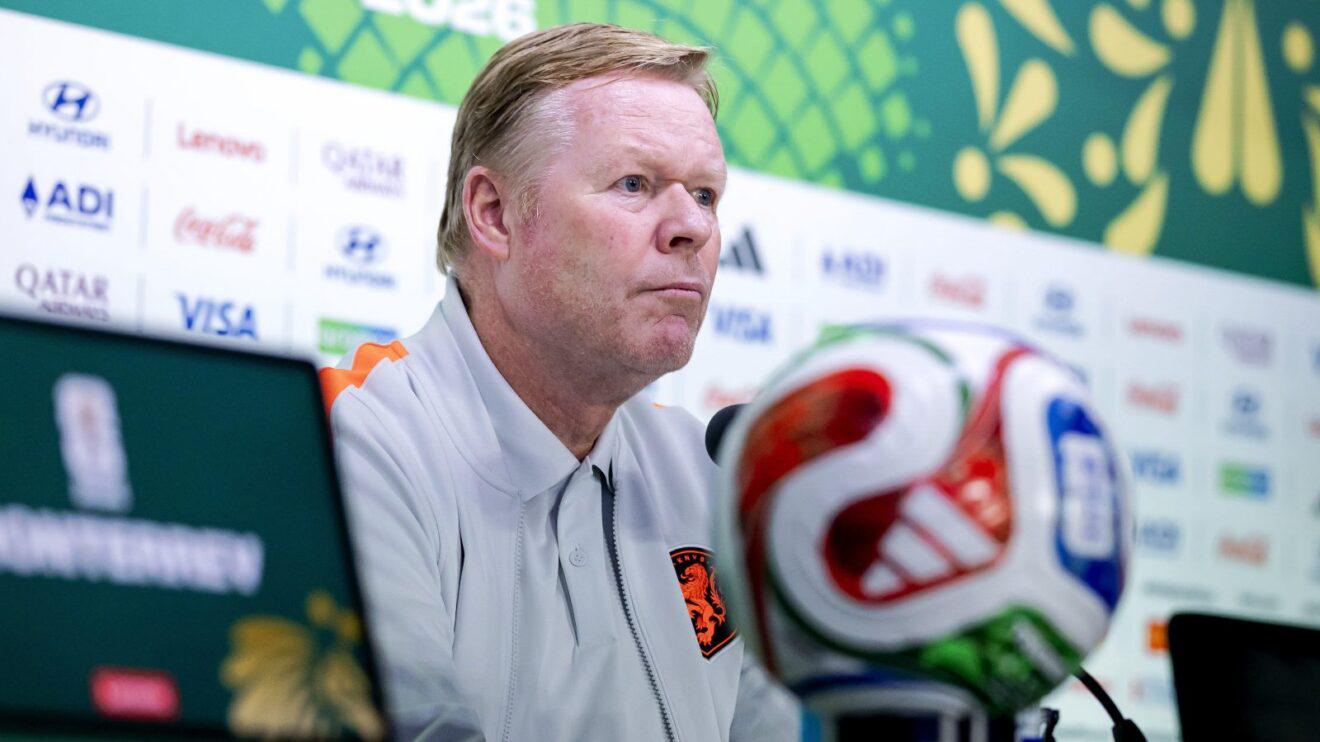
On June 30 Beijing time, the final match of the opening day of the World Cup knockout stage will kick off in Monterrey, as Netherlands and Morocco—two quarterfinalists from the last edition—meet again. Netherlands head coach Koeman said before the match that, measured against both teams’ current talent pools and tournament ambitions, running into each other this early in the round of 32 is indeed a bit soon—this should have been a conversation closer to the semifinals or even deeper.
Four years ago, Morocco became the first African and Arab team to reach the semifinals; the Netherlands lost to eventual champions Argentina on penalties in the quarterfinals. The two sides are ranked 7th and 8th in the FIFA rankings, and both delivered strong group-stage performances: the Netherlands recorded 71% possession, 20 shots, 7 on target, and 3 goals in one match; Morocco had 22 shots, 11 on target, 69% possession, and 4 goals. From a supply-side perspective, neither side is a fluke arrival—they are the natural outcome of long-term building.
Attacking Commitment and Targeted Dissection
Koeman was blunt: both teams want to go further, so this match is bound to be high-intensity. He pledged that the Netherlands would respond with attacking football, and stressed that the team knows where to cut off the opponent and how to break down their build-up. Captain Van Dijk sounded as composed as his coach: the Netherlands is not short on experience in top-level matchups; the key is translating targeted training plans into 90 minutes on the pitch.
The opponent players Van Dijk singled out happen to form a clear chain of talent development and national-team payoff.
Key Supply Nodes in the Opponent’s Lineup
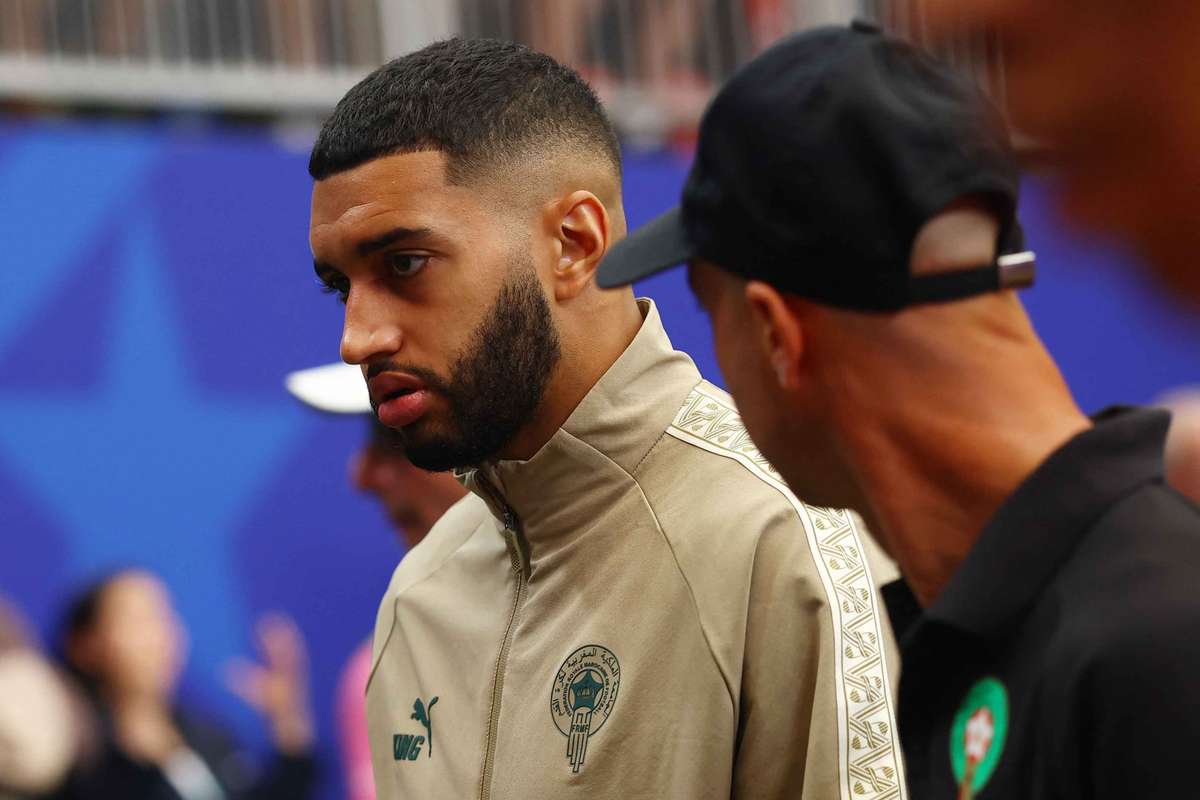
Right-back Achraf Hakimi has been hailed by Van Dijk as one of the best defenders in world football. Up front, Ismael Saibari has stood out this season at hoven, Brahim Díaz is also in fine form in midfield, and 18-year-old Ayoub Bouaddi is rising fast, already entering the conversation for Best Young Player at the World Cup. For the Netherlands, this means Morocco's threat is not concentrated on one line alone, but comes in layers—from the forwards, wide progression, and a new generation in midfield.
Pathways Beyond Win or Loss
Van Dijk did not treat a big win as a necessary condition for proving title credentials to the outside world. In his view, with the draw set and the opponent known, the team need only focus on preparing for Morocco—this is both a knockout tie and a moment to test whether the Netherlands' recent recruitment and youth development can deliver under World Cup pressure. Koeman brought the focus back to the football itself: the match's appeal is beyond question; what matters is who can turn talent into a longer run.
From a player-development perspective, this Round of 16 encounter arriving when it did instead compresses both teams' recent investments in youth academies, league experience, and national-team shaping into a single must-win knockout test.