















The knockout bracket has already punished two established European powers, and the wider lesson from the opening rounds is clear: pedigree alone no longer guarantees survival. For Belgium, that reality arrives in a different form. The Red Devils finished atop Group G and secured a Seattle date in the last 16, yet their path through the group stage carried more friction than the table suggests.
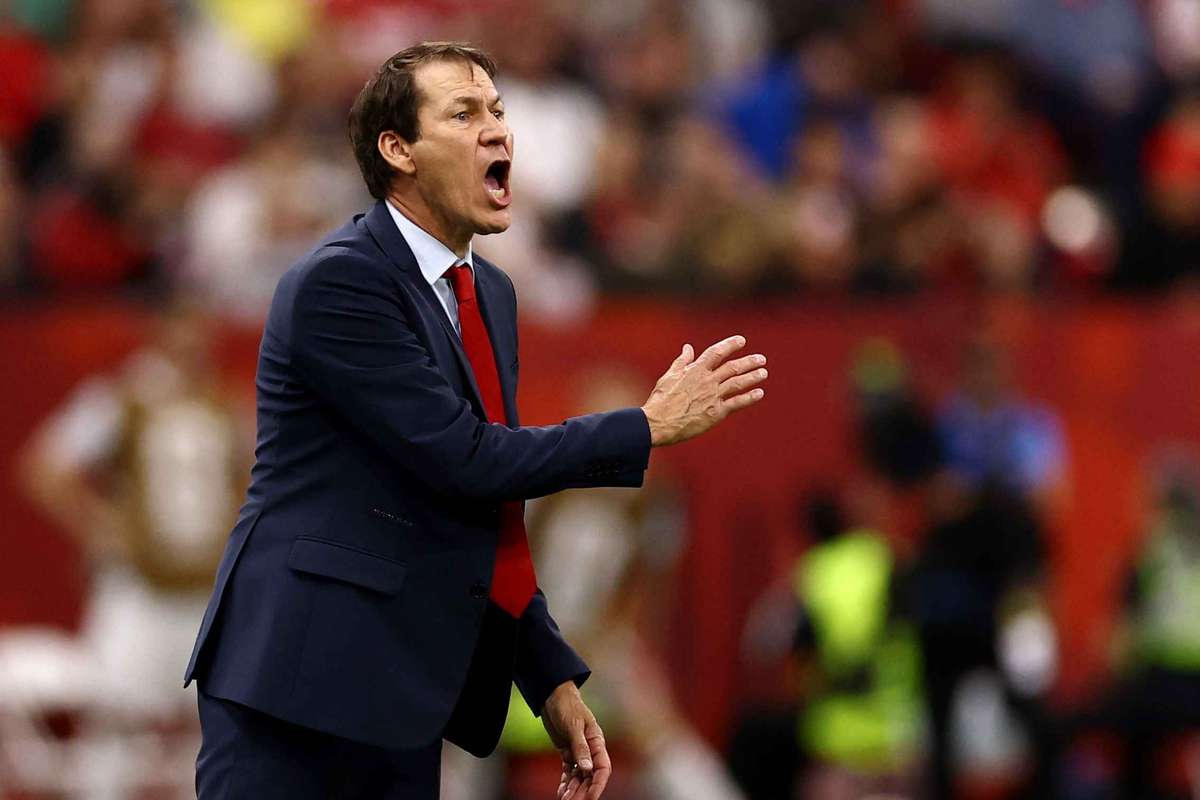
A single emphatic win — a 5-1 victory over New Zealand in which they registered 35 shots and 55 percent possession — sits alongside draws that invited uncomfortable questions about tempo and ambition. Manager Rudi Garcia has heard the noise. Since taking charge in January 2025, his record reads 17 matches, one defeat, 16 unbeaten and 10 wins. The numbers argue for stability. The tournament footage, at times, has argued for something sharper.
A third-place opponent worth respecting
Belgium's reward for topping the group is a meeting with Senegal, and Garcia did not dress the assignment down. He described the Lions of Teranga as the best third-placed team in the field — a label that carries weight even if their group record looked harsh on paper.
Senegal reached the knockouts despite two defeats, losses that came against France and Norway in a punishing section. On raw points alone, they were the weakest third-place qualifier. In competitive terms, Garcia sees a different picture. A side ranked 14th in the latest FIFA standings, coming off a World Cup group stage that included a five-goal win with 69 percent possession and 28 shots, is not a consolation prize.
"We wanted to finish first in the group, and that is what we did," Garcia said ahead of the Seattle fixture. "I wish we had won more games, but we are not going to go back. What matters now is that we finished first, so we can play here. We know we are playing the best third team. Senegal had a very tough group, and that is probably why they finished third."
The message to his squad was equally direct: if Belgium intend to go deep in this World Cup, they must beat strong opponents. Senegal, in Garcia's view, fit that description precisely — "very fast, and very strong."
Depth as a development story
Where Garcia's project may hold an edge is not in a single headline name, but in the breadth of usable talent across 26 healthy players. That depth has been built gradually, and the group stage offered early proof of its value.
Romelu Lukaku did not always start, yet his contributions off the bench against Egypt and New Zealand showed why a mature squad needs more than one rhythm. Impact substitutes are not a luxury at this stage; they are part of how a team grows through a month-long tournament. Garcia made that explicit.
"I have lots of options, and I will use them," he said. "The XI who start will have to play well, and we have done well because of the group. Romelu came off the bench against Egypt and did well, the same against New Zealand. They are going to make the squad stronger."
That framing suits a side still refining its identity under a relatively new manager. Belgium's FIFA ranking sits ninth, unchanged from the previous window, with a points total of 1734.71 — respectable, but no shield against a motivated African opponent riding knockout momentum.
Trossard and the creative spine
Leandro Trossard is expected to start against Senegal, and his group-stage numbers justify the trust. Efficient in possession and consistently dangerous in the final third, he has been Belgium's most reliable chance creator — producing the highest volume of opportunities in a World Cup group phase by a Belgian since Miralem Pjanic in 2014.
For a player whose club career has often been defined by intelligent movement rather than raw volume, that statistical footprint matters. It suggests a footballer who has grown into a senior international role at exactly the moment his country needs clarity in attack. Against a Senegalese back line that will test pace and physical duels, Trossard's ability to arrive in space could be the difference between controlled possession and actual penetration.
Garcia's broader tactical picture has at times leaned on structure — a 4-2-3-1 in their heaviest attacking display, and a more cautious posture in the draws that drew criticism as "ponderous." The challenge now is synthesis: keep the organizational discipline that kept Belgium atop the group while unlocking the vertical threat Senegal's transition game will demand.
Lessons from a shifting tournament
The opening knockout round has already reinforced Garcia's warning that labels mean little once the whistle blows. Favorites have fallen on penalties; underdog narratives have hardened into fact. Belgium enter as group winners, yet the manager insisted the dressing room must treat status as irrelevant.
"Yesterday showed us that to be favourites or not doesn't matter," he said. "We need to be alert to win the game."
That alertness will be tested by a Senegal side that knows how to absorb pressure and strike. Their group-stage profile mixed dominance — 590 passes at 88 percent accuracy in one outing — with a narrower defeat in which they still managed 58 percent possession. They are comfortable playing ahead and comfortable playing from behind.
For Belgium, the Round of 16 is less a referendum on continental hierarchy than on whether Garcia's 16-match unbeaten run can translate into knockout composure. The squad is healthy. The options are real. The opponent, by the manager's own admission, is the strongest third-place team in the draw.
The growth line that has carried this Red Devils cycle from a January 2025 reset to a Seattle knockout kickoff now bends toward its hardest examination. Beat Senegal, and the criticism of group-stage caution becomes background noise. Fall short, and the same questions about identity will follow Belgium home — regardless of FIFA ranking, regardless of group position, regardless of how many European giants have already departed.