









England officially unveiled their 26-man squad for the 2026 World Cup on May 22, with captain Harry Kane leading the charge. Head coach Thomas Tuchel has assembled a squad blending experience and attacking depth, and the Three Lions remain widely tipped as one of the title contenders; yet compared with France and Spain, consistency remains the biggest question mark over England’s bid for the trophy.
The latest FIFA men’s rankings place England fourth on 1,825.97 points; France have risen to the top on 1,877.32, with Spain one spot behind in second on 1,876.40. Through the first two rounds of group play at this World Cup, England, France and Spain are all unbeaten—England drew 0-0 with Ghana and Panama, France shared two goalless draws with Iraq and Norway, and Spain also picked up 0-0 wins over Saudi Arabia and Uruguay. All three heavyweights remain unbeaten, but none has yet broken down an opponent’s defence.
The 26-man squad: Kane up front, Stones anchoring the back line
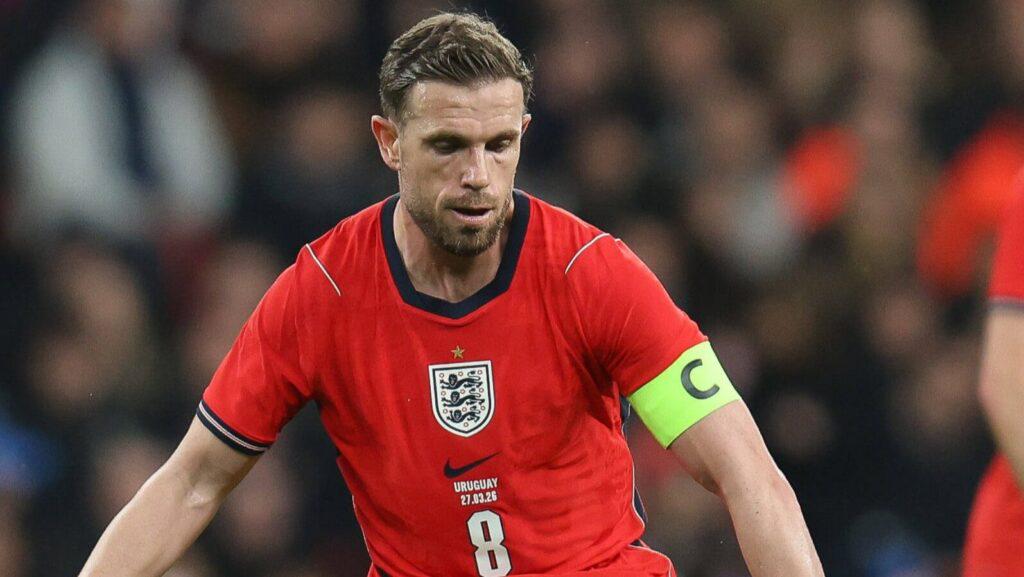
Kane and Bukayo Saka head the attack, with Madueke, Rashford, Toney, Gordon and Watkins providing rotation. At the back, Dan Burn, Guehi, Stones, Konsa and Reece James form the core, while Quansah, Spence, Livramento and O’Reilly add depth. Declan Rice is the midfield fulcrum, with Jude Bellingham, Elliott Anderson, Morgan Rogers, Eberechi Eze, Jordan Henderson and Kobbie Mainoo sharing the duties of progression and link-up play. Jordan Pickford leads the goalkeeping corps, backed up by Dean Henderson and James Trafford.
The biggest shock on the squad list came from Phil Foden, Trent Alexander-Arnold and Cole Palmer — none of the three made the final 26. Foden and Palmer have stood out at club level this season, while Alexander-Arnold has long been a rotation option in England’s back line; Tuchel’s decision has directly fuelled debate over midfield creativity and wide build-up play. Beyond Saka and Kane, England’s depth up front was already relatively limited, and dropping two high-output attackers leaves backup options noticeably thin if knockout games turn into stalemates.
Historical Baggage and Title Reality
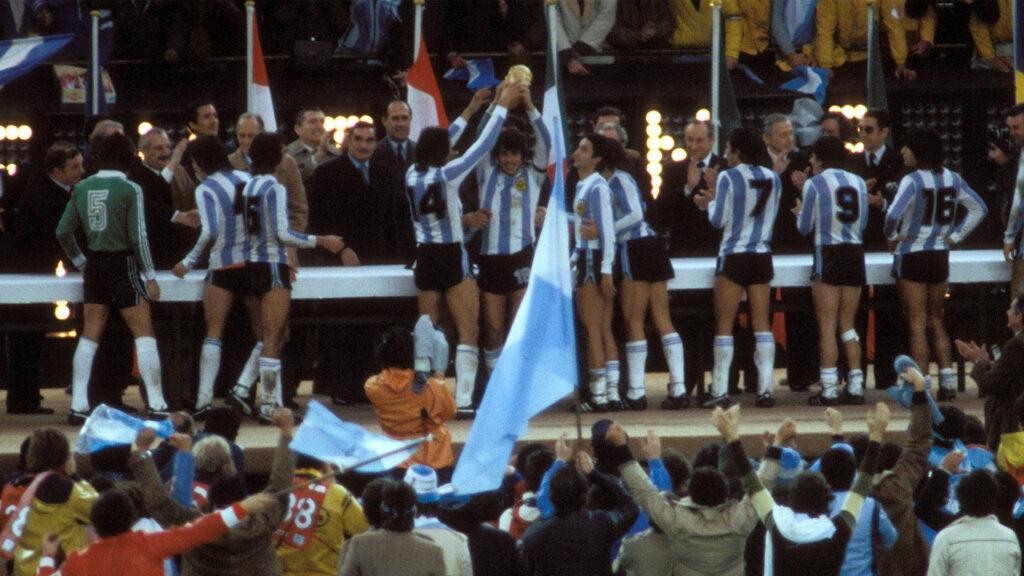
England have not won the World Cup since lifting the trophy on home soil in 1966. In the nearly 60 years since, they have qualified 17 times, finishing fourth in 1990 and 2018, and falling in the quarter-finals on seven other occasions. They failed to advance from the group stage at the 1974, 1978 and 1994 tournaments. Most observers expect England to reach at least the semi-finals, but to truly match the structural maturity of France and Spain, Tuchel still needs to solve problems with attacking conversion and game-to-game inconsistency in the knockout phase.
On paper, England are not short of top-tier individuals — Kane’s finishing, Saka’s spark and Rice’s defensive coverage remain core strengths. But two draws in as many group games already exposed a lack of efficiency against deep blocks — Tuchel must find the key to goals more quickly within the current squad, or title talk will be hard to back up.