





The 2026 FIFA World Cup Group D schedule is centered on North America’s West Coast, with Los Angeles, the Bay Area, Seattle and Vancouver set to become key matchday destinations for supporters of the United States, Australia, Paraguay and Turkey. For fans who cannot attend every match in person, public fan festivals are becoming the core hubs linking the multi-city viewing experience.
Geographic Reach: Why Fan Festivals Are Group D’s Viewing Hub
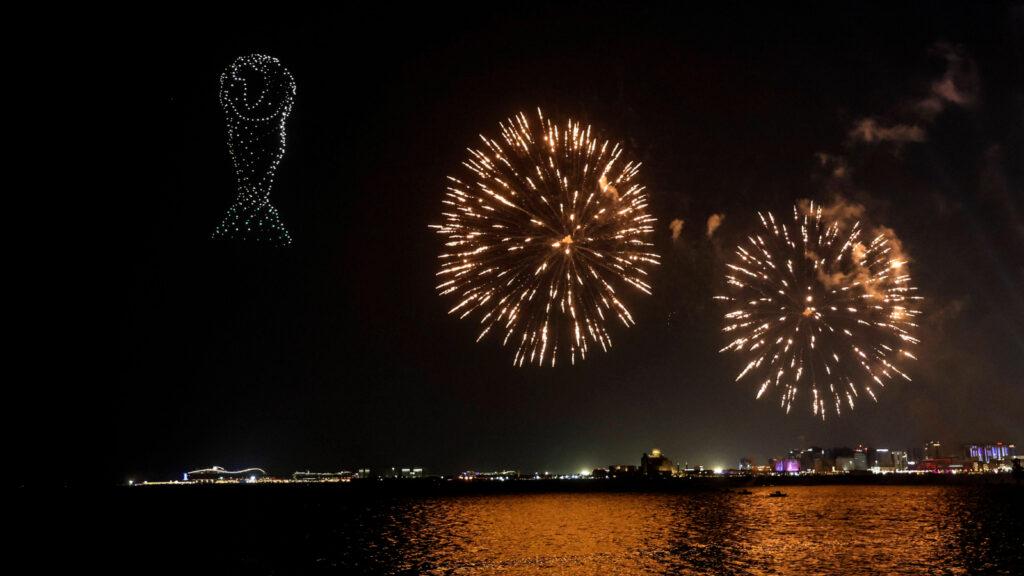
Fan festivals are public, collective viewing spaces that recreate stadium atmosphere outside the grounds through giant screens, live performances, food and drink, and interactive activities. Group D supporters are spread across a wide area and face high travel costs: Australia fans based in Vancouver might drive south to Seattle, yet may not make it to San Francisco for the final round; US supporters may lock in Los Angeles fixtures but struggle to reach Seattle for the third match. Staged fan festivals at different levels are the organizational answer for preserving viewing continuity within limited itineraries.
Los Angeles as the Main Base: Buzz and Crowding Risk Side by Side
Los Angeles’ main fan festival hub is set at the Los Angeles Memorial Coliseum, offering live match broadcasts, musical performances, interactive events and local cuisine, with more than 20 additional fan zones across the city. Public viewing sites include: Farmers Market (June 18–21), Union Station (June 25–28), Magic Johnson Park (July 4–5), Venice Beach (July 10–11), and Downtown Burbank (July 18–19), with some free to enter and others ticketed. The United States vs. Paraguay match on June 12 will kick off the local Group D schedule, drawing both neutral fans and newcomers—and as the atmosphere heats up, crowd surges will also be more concentrated at fixed times.
US Matches: The Triple Squeeze of Queues, Space and Transport
The host’s top challenge is crowd density management: whenever the United States takes the field, fan zones are expected to be extremely crowded, with longer queues, tighter standing room, and added pressure on surrounding road traffic. From the standpoints of event safety and spectator services, it is advisable to arrive early, confirm ticketing and entry rules, and allow buffer time for post-match dispersal; bringing water and avoiding last-minute “just-before-kickoff” arrivals can reduce on-site friction driven by information gaps. Source reports also make clear that arriving early is almost a requirement, not an option, for those seeking a relatively comfortable viewing experience.
Team Background: Rankings and Schedule Anchors
According to on-site data, Australia is ranked 27th in the FIFA rankings (1,580.67 points), Paraguay 40th (1,503.50), and Turkey 22nd, up three places from the previous edition (1,599.04). The database also records that Paraguay and Australia will meet on June 26, 2026, offering a reference point for West Coast fan festival scheduling: those unable to attend in person in Vancouver and elsewhere can still plan for big-screen broadcasts in Los Angeles or nearby fan zones during the same window. In a recent 2026-season statistical report, Turkey once scored four goals in a single match, with 20 shots, eight on target, 60% possession, and an 88% pass completion rate—the density of their attacking organization is worth tracking through public viewing sites during the Group D stage.
Vancouver and Other West Coast Nodes
Vancouver hosts only one Group D group-stage match in this tournament; for Australian and U.S. supporters crossing through northern border ports, the fan festival leans toward “single-point saturation”—a single trip often comes with higher accommodation and border-crossing costs. The source piece does not lay out the full Vancouver list; those planning to head north should verify viewing-site opening hours and capacity rules against official tournament announcements, then complement the 20-plus zones at the main Los Angeles venue—do not assume the two cities’ policies are identical.
West Coast Viewing Organization Recommendations
Given the combined picture of geopolitics, crowd flow, and ticketing structure, adopt a “one match, one venue, one city, one policy” approach: anchor fan festival hubs in the host city tied to each home team’s fixture; keep free and paid access points on separate booking flows; on U.S. match days, default to higher security redundancy; when you cannot follow all three games across cities, prioritize fan festivals to aggregate the live broadcast for the second and third matches. Next, keep tracking each federation’s away-fan guidance and municipal traffic control notices—during a major tournament cycle, information granularity often matters more than the atmosphere itself for whether watching the games goes smoothly.