















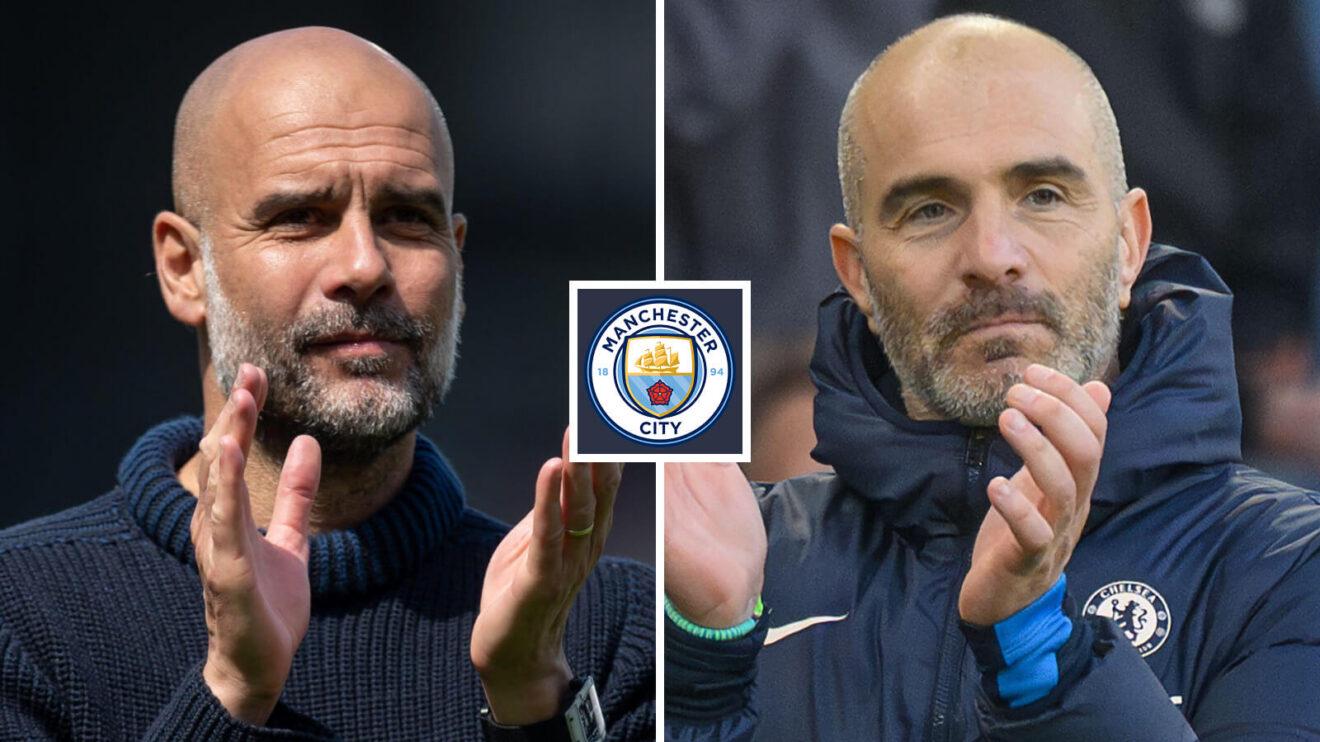
In May 2026, Manchester City marked the end of an era at the Etihad: head coach Pep Guardiola officially stepped down after the final match of the Premier League season against Aston Villa. The club has confirmed that after a decade in charge, he will move into a role as global ambassador for City Football Group; reliable reports point to former Chelsea boss Enzo Maresca as his successor. Spanish journalist Guillem Balagué took to social media to reconstruct the logic behind Guardiola’s decision before and after his departure, and the words he may have left for his successor.
Ten Years of Success and Where Matchday 38 Landed
Guardiola will leave as the most successful manager in club history: 20 major trophies, a 55,097-capacity Etihad, and a period of dominance that shaped the Premier League over the past decade. Match results show that in Matchday 37 of the 2025-26 season, City drew 1-1 away, and in Matchday 38 they lost 2-1 at home — a far from perfect finale, yet one that contrasted with his own emphasis on keeping control of the decision in his hands and minimizing disruption on the pitch. He had considered leaving in his fifth and seventh years, only to be persuaded to stay; in his tenth, he chose to draw the line at a moment when a younger squad was ready to compete.
Timing the Exit: A Decision That Was His Alone
On May 22, Balague wrote on X that the timing of Guardiola’s announcement to step down was “entirely his own decision.” The piece stated that no one at the club wanted to see him go; had chairman Khaldoon Al Mubarak been able to find a way to keep him, he would have acted long ago—Guardiola had “given everything.” More crucially, the decision to leave was actually made seven or eight weeks earlier—he deliberately controlled the narrative, seeking to avoid the situation some managers face, where the moment an announcement is made, it ripples through the dressing room and the league table.
Guardiola pointed to the cautionary tale of Liverpool and Klopp: Klopp announced in January 2024 that he would leave at the end of the season, and while the initial reaction was positive, the Reds’ form dropped noticeably in the closing stretch. The data backs it up—on Matchday 37, Liverpool lost 4-2 away; on Matchday 38, they drew 1-1 at home. Guardiola clearly did not want to drag Manchester City into the same “post-announcement slump.”
The Price of an Obsessive Genius
Balague described Guardiola as an “obsessive genius”: a man who sacrifices his life for football and struggles to truly enjoy success even when titles keep coming, because “after every triumph, the instinct is to rethink, reinvent, and start again.” That characterisation explains why, even in his tenth year, he felt a “clean ending” was more honest than clinging on—a farewell that players, supporters and the club could see coming, rather than a sudden collapse.
Maresca Takes Over: An Independent Figure Beyond the Master–Apprentice Line
Maresca left Chelsea in January 2026 after working alongside Guardiola on Manchester City’s coaching staff, and was widely tipped in the media as a leading successor. But at his farewell press conference, Guardiola issued a blunt warning to the club’s hierarchy: “This kind of work cannot be copy and pasted.” The new head coach had to be “unique, natural”; once they started imitating their predecessor, “it won’t work.” He added: “I promise you, if I still had the energy, I would stay here—but I feel they can keep making life difficult for opponents, and the squad situation looks good.”
For Maresca, those words were both a shield and a burden: you could inherit Pep’s football vocabulary, but you could not play the role of a second Guardiola. City needed someone who could tell their own story at the Etihad—especially with Financial Fair Play (FFP) clouds still hanging over the club.
The FFP case and trust: another message before departure
At the same time, Guardiola also addressed City’s 115 Premier League FFP charges (2009–2018). The hearing ended in late 2024, with a ruling expected as soon as this summer; if it goes against the club, they could face heavy fines, a transfer ban, points deductions, or even the risk of expulsion. Asked why he believed in innocence, he said twice, “Because I trust them,” stressing that most of those involved at the time “are no longer here,” and that today’s players and coaching staff should not carry the blame.
When asked whether he would return after the FFP case was concluded, he joked: “If you can find me, sure—but it would be hard.” Behind the joke was a clear line: global ambassador is a new chapter; the manager’s seat is for the next generation.
Editor’s view: the handover is about moving beyond Guardiola
From a career-narrative standpoint, Guardiola’s farewell this time is not a failed escape but a professional pivot packaged as controlling the narrative, protecting results, and handing over a younger squad. Maresca’s edge is his familiarity with the City ecosystem; his weakness is that outsiders will inevitably measure him against Guardiola’s ten-year yardstick. Pep’s preemptive “don’t copy and paste” warning was really about helping his successor dodge expectation traps: wins should look like Maresca’s wins, not like Guardiola’s from 2018–2024.
What to Watch Next
Three short-term storylines stand out: whether Maresca is officially announced and how his coaching staff takes shape; the FFP ruling timeline and any competitive or transfer fallout; and whether City can keep pressure on the title race in their first season without Guardiola. For supporters, the bigger follow-up after the farewell is whether the new boss can carve out a third path between Klopp-style “announcement hangover” and Guardiola-style “proactive narrative control”—honoring the legacy while daring to rewrite the script.