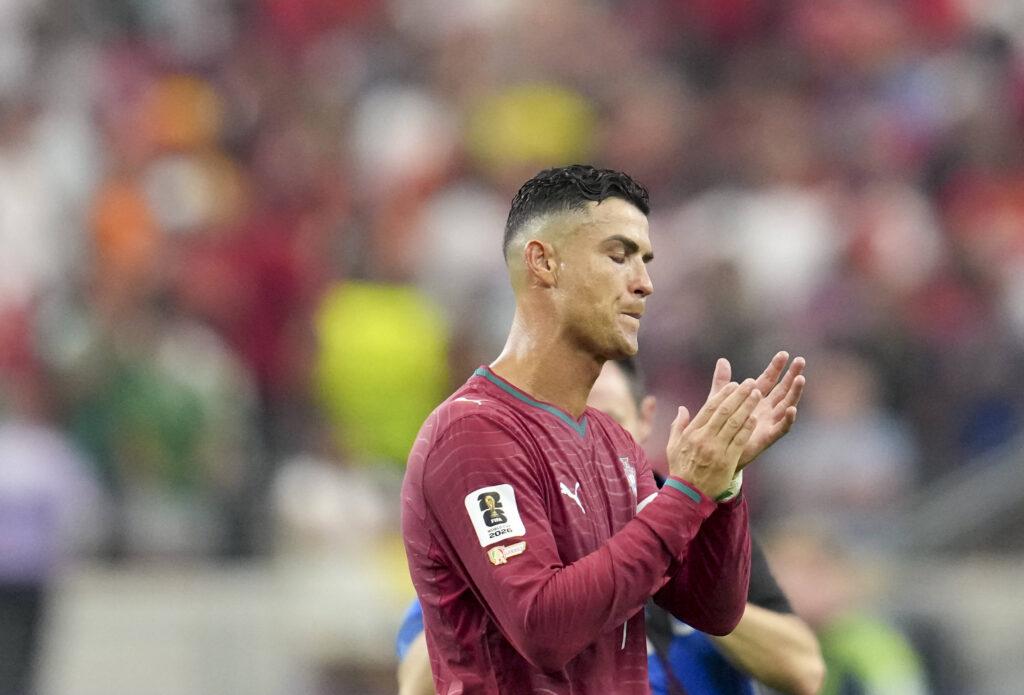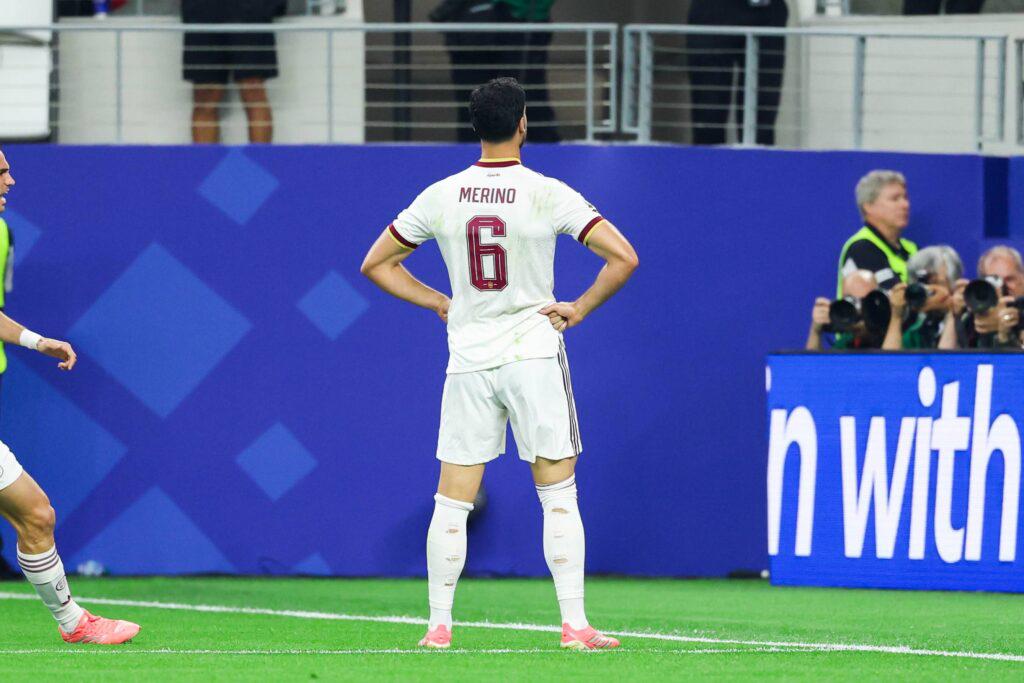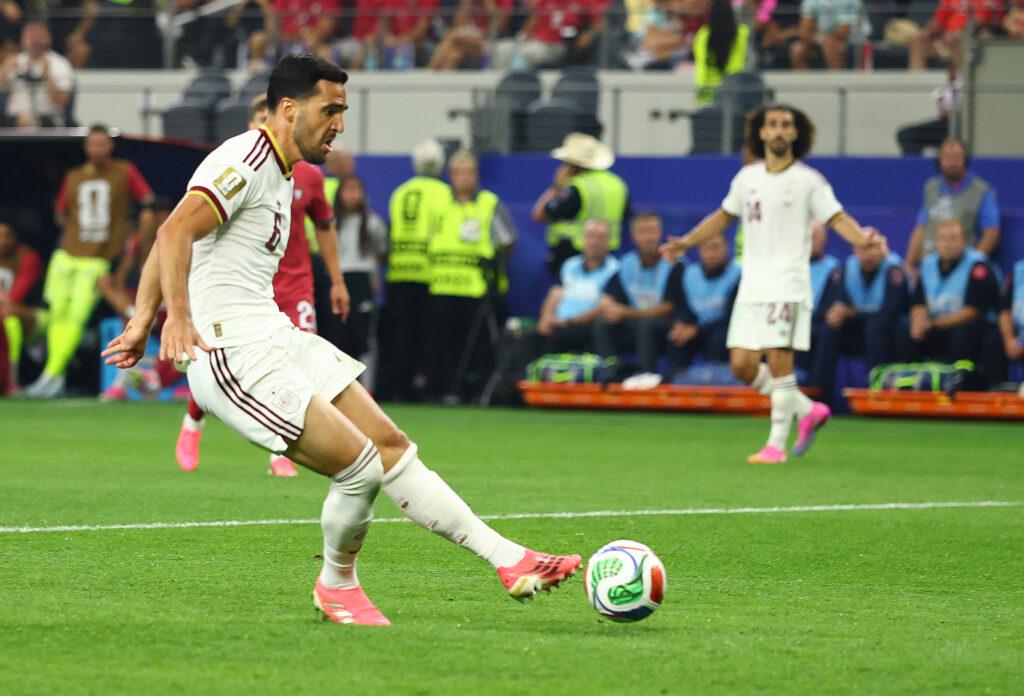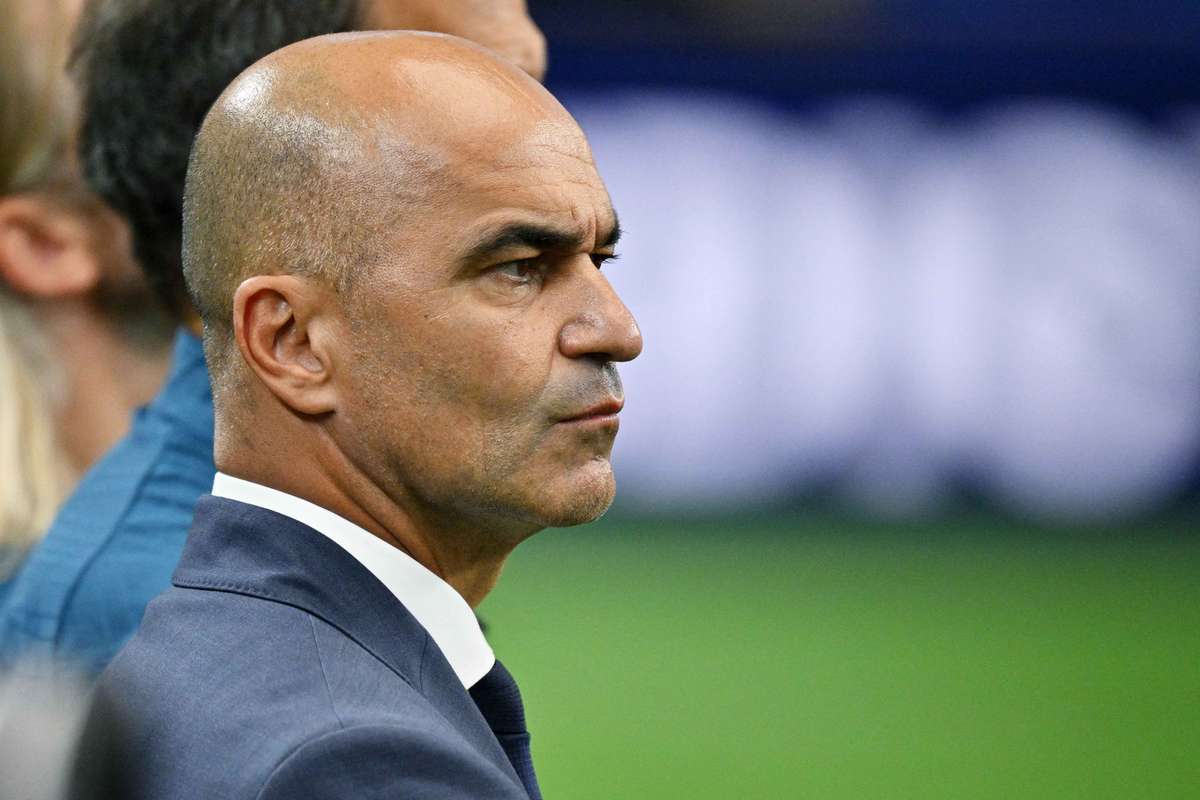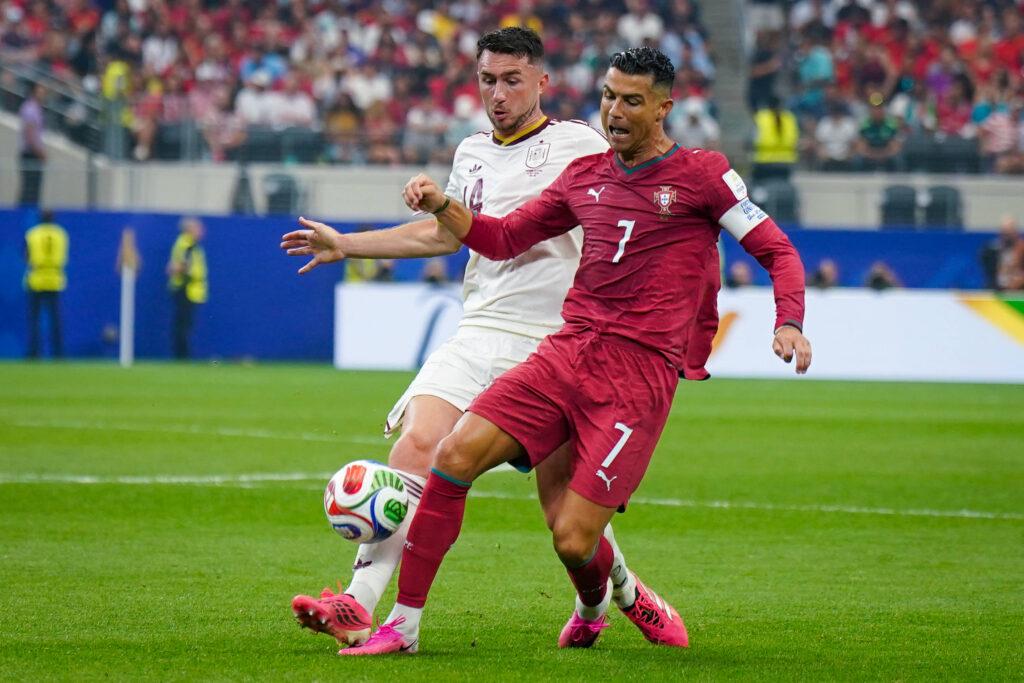


















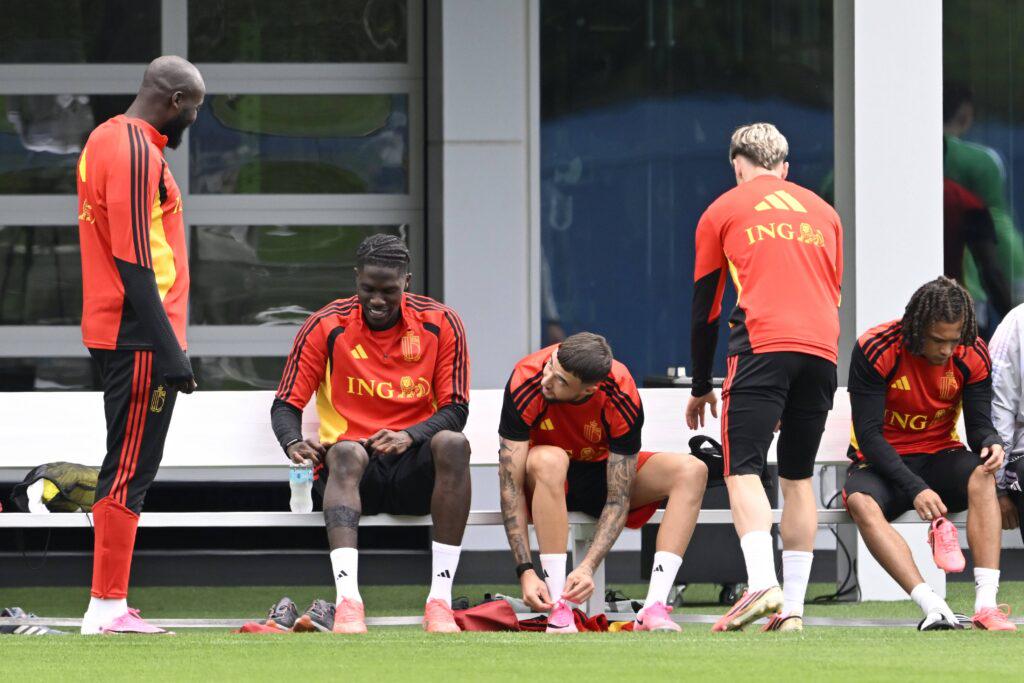
The World Cup knockout bracket rarely hands the spotlight to a Round of 32 tie this early in the conversation cycle, yet Belgium against Senegal at Lumen Field in Seattle has already cut through the usual tournament noise. Two FIFA top-15 sides, both comfortable on the ball, both carrying star names with global reach, and both arriving with group-stage profiles that tell sharply different stories — that combination is exactly the kind of matchup that travels well beyond the hardcore football audience.
What makes this fixture feel bigger than its round label is not mystery. It is clarity. Everyone can see the stylistic overlap, the individual quality on display, and the stakes attached to a single evening in the Pacific Northwest. In a tournament built to produce shared moments, this one arrived pre-loaded with talking points.
Seattle Gives the Story a Different Stage
Knockout football often inherits the personality of its host city, and Seattle offers something distinct from the European summer rhythm many fans associate with major tournaments. Lumen Field’s wider pitch and quicker surface should suit two teams that prefer to keep the ball rather than collapse into a low block.
That venue choice matters for how the match is consumed. A fast, technical tie under North American evening light plays differently on television and social feeds than a grinding, territorial battle in a compact stadium. The setting alone pushes this fixture toward the “must-watch” tier before a ball is kicked.
Referee Said Martinez of Honduras brings a firm profile to the assignment, with 214 yellow cards and 10 dismissals across 51 matches in his record. Both sides arrive on relatively low-card streaks, which adds another layer to the expectation of flow rather than fragmentation. For a game already framed around quality and pace, that detail quietly supports the broader narrative.
Two Group-Stage Identities, One Knockout Question
On paper, this is a close contest. Belgium averaged 59.3 percent possession through the group phase; Senegal sat at 58 percent. Neither manager should fear a patient build-up, and neither side has looked like a team that needs chaos to survive.
The divergence is in what those similar possession numbers actually produced.
Belgium’s Controlled Edge
Belgium enter the Round of 32 with a tidy tournament profile. They scored six and conceded only two across three group matches, kept one clean sheet, and generated 73 shots with 20 on target. Their passing accuracy sat at 86.6 percent, underlining the controlled rhythm Rudi Garcia has leaned into with a 4-3-3 that funnels service toward Leandro Trossard and Romelu Lukaku while Kevin De Bruyne operates between the lines.
The underlying numbers suggest efficiency rather than excess. Belgium created seven big chances and missed five, a conversion gap they will want to tighten now that mistakes carry elimination weight. Defensively, they allowed just 27 shots and only three big chances against, numbers that point to compact spacing and strong first-contact defending.
That profile travels well in preview coverage because it reads as reliability. Belgium arrive unbeaten across 16 matches, ranked ninth in the FIFA standings, and with a reputation for doing the professional work even when the highlight reel stays quiet. In knockout discourse, reliability is its own form of star power.
Senegal’s Volatile Spark
Senegal bring a different kind of energy. They scored eight and conceded six across three group outings, producing 10 big chances and creating nine more for teammates. The output is louder, the margins are thinner, and the emotional arc of their games has given neutral observers more swing between exhilaration and anxiety.
Pape Thiaw’s side have been listed in a 4-2-3-1 with real vertical threat from Ismaïla Sarr and Sadio Mané. Senegal sit 14th in the FIFA rankings after a slight dip from 12th, but their recent run includes the kind of goals-heavy evenings that keep a fixture alive in casual conversation even when the result is not perfect.
Where Belgium offer control, Senegal offer volatility — and volatility, in a good way, is often what turns a Round of 32 tie into a cultural event rather than a procedural step toward the last 16.
The Names That Extend the Reach
Knockout previews usually need more than tactics to break out of the specialist bubble. This one has them.
De Bruyne remains the connective force in Belgium’s attack, the player whose touches redefine what “dangerous possession” means in real time. Lukaku and Trossard give Garcia two distinct finishing routes: central power and wide incision. That trio alone gives highlight producers multiple storylines before kickoff.
Senegal’s side of the poster is no less portable. Mané’s profile needs little introduction, and Sarr’s direct running offers a complementary threat that keeps defensive lines honest. When star names align with legitimate tactical tension, the fixture stops being “another knockout game” and starts behaving like a headline event.
That is the core propagation path here. The match has tactical coherence for analysts, star recognition for general audiences, and venue novelty for viewers still calibrating to this tournament’s geographic spread.
Why the Market Keeps It Close
The pre-match framing reflects the same balance the narrative does. Featured 1X2 pricing lists Belgium at 2.20, the draw at 3.20, and Senegal at 3.50, with the Asian handicap around Belgium -0.25 at 1.88 and Senegal +0.25 at 1.98.
Those numbers do not scream upset or coronation. They echo the football: two capable sides, fine margins, and enough respect for Senegal’s attacking ceiling to prevent Belgium from running away with the conversation. In media terms, a tight market helps keep debate alive across preview shows, prediction threads, and post-match recaps alike.
What Actually Decides It
For all the broader reach this fixture has already generated, the knockout reality remains narrow. Set pieces could decide it — both teams have shown they can create from dead-ball situations, and nervy defending under pressure tends to magnify those moments in single-elimination football.
Belgium’s edge may lie in chance quality and defensive restraint. Senegal’s path likely runs through transition speed and forcing Belgium to defend open space after turnovers. The group-stage numbers suggest Belgium have been harder to break down; Senegal have been harder to ignore when they get forward.
Expect tidy passing phases, a few spells of vertical thrust, and the kind of 90-minute tension that makes Round of 32 nights feel disproportionately large. That is not hype. It is the logical outcome when two front-foot teams meet on a quick surface with elimination on the line.
The Knockout Test Ahead
The World Cup Round of 32 is supposed to filter ambition into proof. Belgium and Senegal arrive with enough collective quality to justify the attention this tie has already earned, and with enough contrast in temperament to keep the discussion active from Seattle to every timezone watching along.
Fine margins, technical security, and a handful of global names — that is the package. Whether this one becomes the knockout memory of the opening weekend may depend on which version of each team shows up when the lights are brightest. On current evidence, neither side looks ready to disappear quietly.