



A Tournament That Has Already Found Its Rhythm
The World Cup has reached the quarter-finals, and the bracket now reads less like a lottery and more like a stress test for the sides that have learned to survive at tournament pace. France sit at the center of that picture. They carry the top FIFA ranking in the field, they have moved through the knockout rounds with the authority of a squad built for July, and their path runs through Morocco before a possible semi-final against either Spain or Belgium.
On the other side of the draw, the story looks different but no less demanding. England face Norway, while Argentina prepare for Switzerland after narrow escapes against Cape Verde and Egypt. Spain, England and Argentina all arrive with credible claims to join France in the last four. Yet when the question turns from qualification to supremacy, Arsene Wenger believes only one challenger truly belongs in the conversation.
Why Wenger Still Backs France — and Names One Exception
Wenger has been blunt. He expects France to win the World Cup. That verdict will invite the obvious reply: of course a French football man would say so. He accepts the charge before it lands. His argument is not rooted in sentiment but in the tempo the tournament has established.
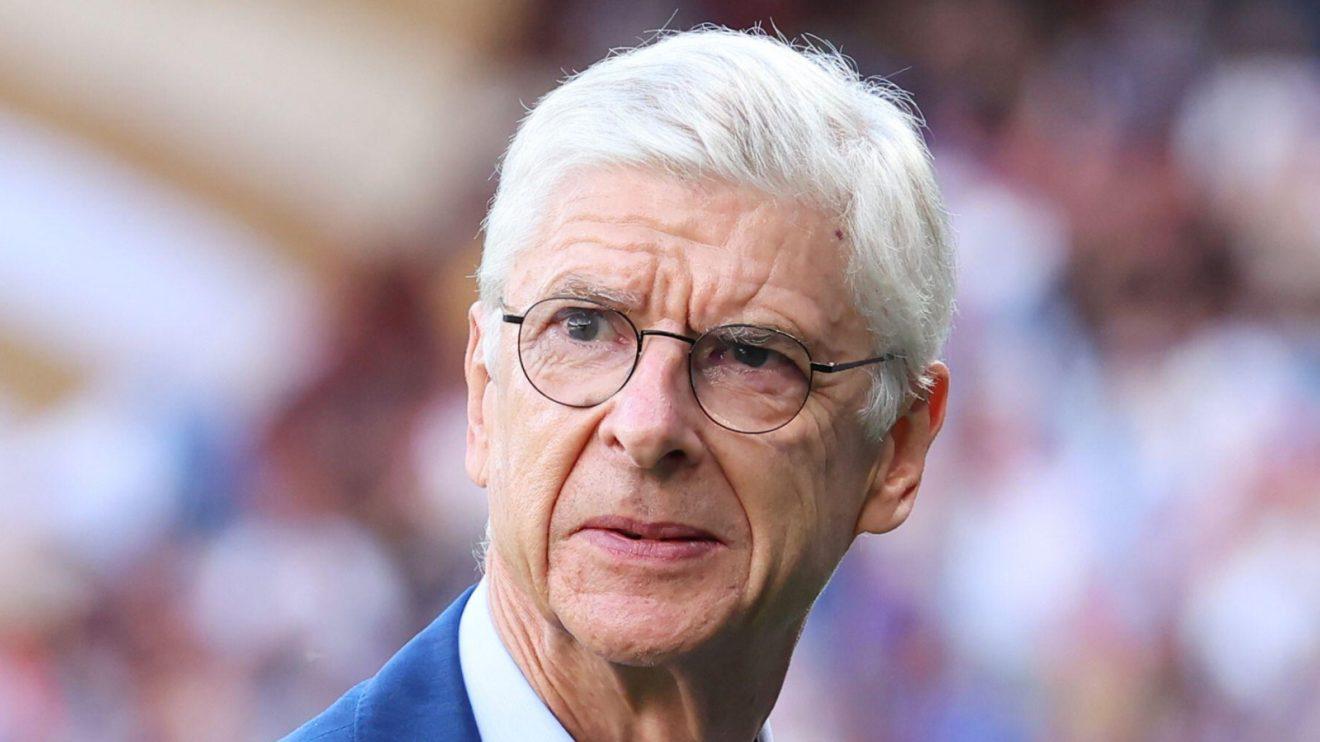
"France will win the World Cup," Wenger said. "I know you will say, of course you say that, you're French. But when you analyse the World Cup, the train goes at a certain pace and you have to be capable of getting on the train."
That image matters. Major tournaments do not reward teams that arrive with strong reputations but weak habits. They reward sides that can absorb pressure, recover from setbacks and still impose their game when the margins shrink. France, in Wenger's reading, have already shown they can travel at that speed.
The Pace That Eliminated Others
Wenger pointed to a broader pattern in the knockout phase. Several Asian nations departed because they could not live with the intensity of the matches once the stakes rose. Technically competent teams can still leave a World Cup when they lack the collective rhythm to match faster, heavier opponents over ninety minutes and beyond.
That is where France's physical profile becomes decisive. Les Bleus can win duels, recover territory quickly and sustain pressure in a way that punishes opponents who need longer to settle. Wenger does not dismiss Spain, England or Argentina as ordinary teams. He simply separates teams that can reach the semi-finals from the one side he believes can actually beat France if the two meet at the highest level.
For him, that team is Spain.
Spain's Tradition as the Deciding Factor
"The real question for me is Spain," Wenger said. "If one team is capable now of beating France I would say it is Spain because their technical level is better than France. They have quality and a culture of collective football that nobody else in the world has at that level. That could be the decider between these two but of course France is stronger physically."
That assessment fits a long historical pattern. Spanish football has repeatedly turned possession, positional discipline and shared responsibility into a national identity rather than a temporary tactic. From the generation that dominated European and world football in the late 2000s and early 2010s to the current side ranked second in the world, Spain have treated the ball as structure, not decoration.
France, by contrast, have built their modern identity on athletic depth and individual brilliance operating inside a flexible system. The contrast is classic: Spain ask whether you can deny them the ball long enough to survive; France ask whether you can withstand them when they decide the game will be played on their terms.
Wenger's view is that only Spain possess the technical foundation and collective habit to make that duel competitive. Belgium may offer tactical variety, England have tournament momentum, and Argentina carry the emotional weight of a defending champion that has already been tested. None of those qualities, in his judgment, match Spain's ability to control a knockout match against France through shared play.
England Hear a Different Standard
While Wenger narrowed the anti-France argument to Spain, Kyle Walker offered a sharper benchmark for England's campaign. The Three Lions remain fourth in the FIFA rankings and have reached the quarter-finals with the kind of opportunity that does not arrive often for a generation.
Walker believes the bar should now be the final.
"I think that England should be a little bit disappointed if they don't get to the final now," Walker said. "That's no pressure from me. I've been on the other side of it when everyone's saying that you should do this and shouldn't do that. But I feel it's a great chance and a great opportunity to go and make history and you need to take it."
There is no contradiction between the two perspectives, only a difference in framing. Wenger is forecasting who can beat the tournament favorite. Walker is defining what success should mean for a team that has already done enough to believe the path remains open. England's next task against Norway is not a formality, but Walker's comments reflect the internal confidence of a squad that sees the semi-final as the minimum stage for a successful summer.
What the Draw Reveals About the Final Four
The bracket itself tells part of the story. France's side of the draw asks them to confirm their status against Morocco before meeting either Spain or Belgium in a semi-final that could decide the tournament's direction. Spain must first navigate Belgium, a side ranked ninth in the world and capable of disrupting rhythm with individual quality. If Wenger is right, that is the match Spain must win to keep their claim alive.
Argentina's route has been harder in a different way. Narrow tests against Cape Verde and Egypt exposed the fragility that often follows a title defense, yet the world champions remain third in the FIFA rankings and cannot be discounted once a knockout tie turns emotional. Switzerland, ranked nineteenth, represent a structured opponent that can make a quarter-final feel like a final.
Norway stand between England and a semi-final place, and the Scandinavian side will arrive without the same global spotlight but with the freedom that often makes upset stories possible. England's historical challenge has rarely been talent. It has been the ability to convert expectation into a run that feels inevitable rather than fragile.
A Crossroads Between Identity and Power
This World Cup is beginning to separate teams by identity as much as by ranking. France represent power, depth and tournament speed. Spain represent collective mastery and the belief that control can still defeat chaos. England and Argentina remain live because both know how to survive when the mood turns against them.
Wenger's prediction is therefore less a dismissal of England or Argentina than a recognition of what beating France requires at this stage. To stop Les Bleus, he argues, a team must not merely compete. It must impose a different kind of football for long enough to break France's physical grip. In his view, only Spain have that profile.
Whether that proves prophetic depends on the next two rounds. France still have to win them. Spain still have to beat Belgium and then, potentially, meet the side Wenger believes they alone can conquer. England, meanwhile, will measure themselves against Walker's standard: anything short of the final will feel like a missed chance.
The quarter-finals have set up a tournament within the tournament. France are the train. Spain, in Wenger's telling, are the only team still capable of boarding it and changing the destination. Everyone else must find another route to history.