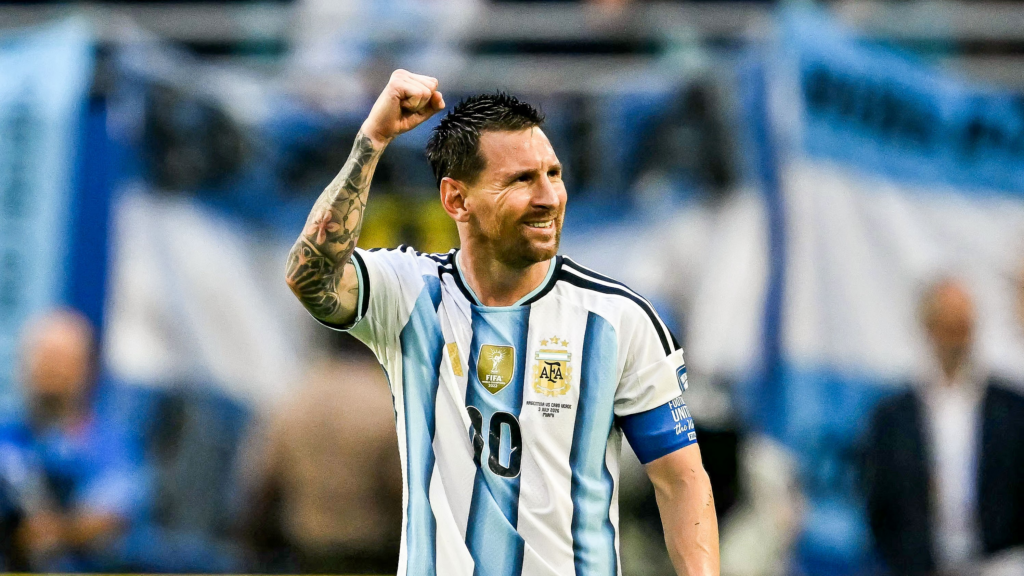



















The loudest opinions about a World Cup draw are usually written before a ball is kicked. By the time the final whistle blows, those same opinions often look thin, and Friday night offered a textbook example.
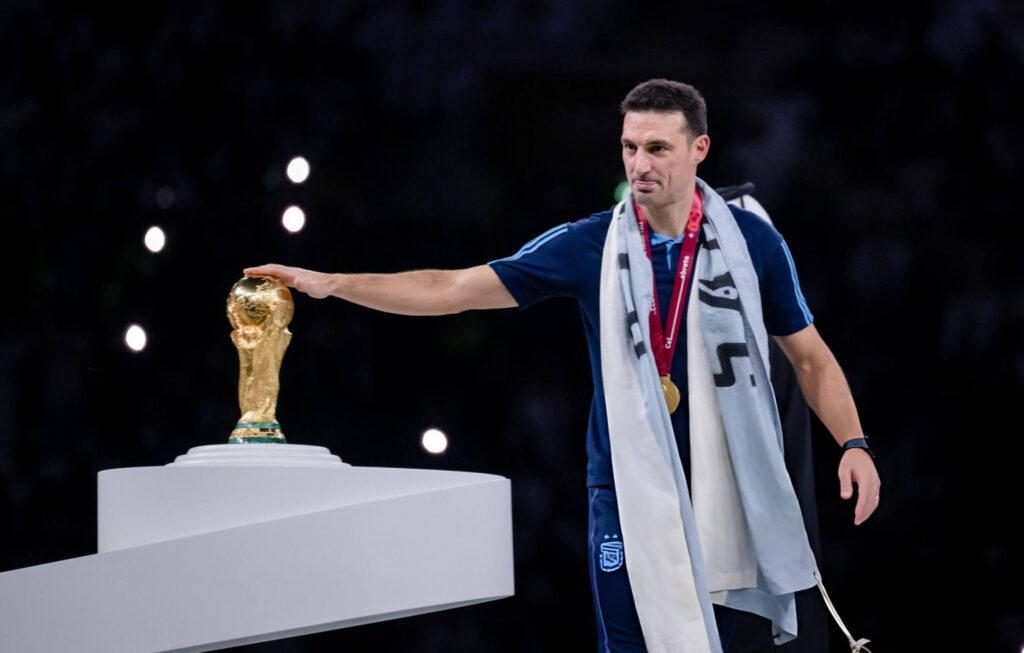
Lionel Scaloni did not wait for the question. He walked into the mixed zone with a message already formed, aimed squarely at anyone who had filed Argentina under "comfortable path" and moved on.
"That was for those who said we had an easy run in the draw," he told reporters. "Sure, we deserved to win and go through, but it was an extremely difficult match."
On paper, the contrast could hardly have been sharper. Argentina arrive at this tournament ranked third in the world, carrying the weight of defending champions and a roster built around global stars. Cape Verde sit 69th in the FIFA rankings, a nation whose recent qualifying windows have been defined by disciplined, low-scoring football rather than headline-grabbing results.
Yet the scoreboard and the mood in the Argentina camp told the same story: this was not a procession.
When the Underdog Refuses to Fold
Argentina entered as heavy favourites, and for long stretches they controlled the flow of — high possession, heavy passing volume, sustained pressure in the final third. Cape Verde, lined up in a compact 4-1-4-1, accepted that trade-off and still found ways to hurt the champions.
The Blue Sharks levelled twice. Each equaliser forced Argentina to reset emotionally as well as tactically, and the second of those replies arrived deep enough in the match to raise the prospect of a genuine upset. By the end of extra time, Scaloni's players were not celebrating with the ease of a team that had been handed a soft opponent. They looked drained.
"They finished the match absolutely knackered," Scaloni said. "There are areas for improvement, but they've shown resilience. The players are tired because of extra time — too many minutes — and some cramps. But when they play with their hearts, they can overcome anything."
That last line matters. Argentina's recent World Cup history has often been framed around individual brilliance, yet Scaloni keeps returning to collective character as the non-negotiable foundation. Against Cape Verde, character was not an abstract talking point. It was the reason the tie did not slip away.
The Goal That Changed the Temperature
If one moment captured why this tie felt so uncomfortable for Argentina, it was the second Cape Verde equaliser in extra time.
Left back Sidny Lopes Cabral curled a superb shot into the top corner, a strike that would have drawn applause in any stadium regardless of the scoreline. Scaloni admitted the quality unsettled him even if his sideline demeanour suggested otherwise.
"I just wanted the match to be over," he said. "You saw the stunning goal they scored. I'm always wary. I was calmer than I looked."
That honesty cuts through the usual post-match diplomacy. Scaloni is not a coach who pretends danger never existed because the favourite eventually prevailed. He names it. Cabral's finish was not a fluke born from chaos; it was the product of a team that had spent the entire evening refusing to accept the narrative written about them before kickoff.
Cape Verde's recent international record underscores that identity. Their qualifying campaign has been built on structure, patience, and an ability to keep games tight even when the opponent owns the ball. They did not arrive to admire Argentina. They arrived to compete.
"Easy Draw" Comments and the Weight of Expectation
The pre-tournament discourse around Argentina's path is worth revisiting because Scaloni clearly had.
When a champion is drawn alongside lower-ranked nations, social feeds fill quickly with bracket memes and predictions of routine progression. That language is seductive because it simplifies a tournament that rarely respects simplification. Scaloni's rebuttal was not bitterness. It was correction.
"Everyone thought it would be a walk in the park, but we knew it wouldn't be," he said.
That distinction — between external assumption and internal preparation — has defined his tenure. Argentina under Scaloni have learned to treat every knockout environment as unique. The 2022 triumph in Qatar was not built on arrogance; it was built on repeated responses to adversity. Friday's extra-time test fits that lineage more neatly than any highlight reel of comfortable group-stage wins ever could.
Asked whether the burden of being favourites had weighed on his squad, Scaloni rejected the premise outright.
"No. The best thing about this team is that it just keeps going, keeps going, keeps going. The boys keep attacking with their hearts on their boots," he said. "I think we rose to the occasion."
There is a prognosticator's lesson in that answer. Favouritism only becomes a problem when a team starts playing to protect its reputation instead of winning the next action. Argentina, for all their fatigue, kept pressing the issue.
Pitch, Ball, and the Conditions Nobody Schedules
Scaloni also pointed to elements beyond either team's control. The surface, he suggested, did not behave the way Argentina's players are accustomed to, and the ball did not roll with the consistency they expect at this level.
"The pitch was strange; the ball wouldn't run as we are used to, not ideal at all," he said.
That detail may sound like excuse-making to some audiences, but for a coach managing a squad deep into extra time, it is part of the broader picture. World Cup campaigns are not played in laboratory conditions. They are played in heat, on unfamiliar grass, after travel, with cramp spreading through legs that have already carried a season's worth of minutes.
Argentina's statistical profile in this competition reflects a team that tries to impose rhythm through possession and precision. When the environment fights that rhythm, matches become narrower, more emotional, and more vulnerable to one moment of individual quality from the opponent. Cape Verde supplied those moments twice.
What It Means to Wear the Jersey
Scaloni closed with a line that will travel farther than any tactical observation from the night.
"What does it mean to be Argentine? To suffer," he said. "Cape Verde gave 200 percent, and in football, that levels things out. The fans are the first to understand that this is Argentina, and nothing for us is easy. There is something special to this jersey."
The quote lands because it connects Friday's match to a longer emotional thread. Argentina's World Cup story is not only about trophies. It is about late drama, disputed calls, extra time, penalties, and the recurring need to prove that talent alone is never enough.
Compare that history with the language used about this draw even a week ago. The gap between prediction and reality is where tournaments are often decided. Teams that survive uncomfortable nights like this one do not always look impressive in the moment, but they accumulate something valuable: proof that they can win when the performance falls short of the highlight standard.
Scaloni was clear that the night was not perfect. There are areas to improve. Yet he also saw progress in the result itself.
"We will keep going forward, and there is no way we haven't come out of this stronger and will be moving forward," he said.
The Road Ahead
For Argentina, the immediate task is recovery. Extra time leaves a physical bill that no rhetoric can cancel. Scaloni will need to manage minutes carefully in the days ahead, particularly for players who showed cramp and fatigue late in the tie.
For the wider tournament, Cape Verde delivered a warning that bracket logic should never be mistaken for match logic. A 69th-ranked nation can still extend the third-ranked team deep into the night if the favourite fails to kill the game early and the underdog commits fully to the contest.
Argentina got through. They deserved to, as Scaloni said. But the path they were told would be easy has already delivered its first serious examination.
If the defending champions needed a reminder that nothing in this jersey comes free, Cape Verde provided it in full. Scaloni's post-match words were not complaint. They were the voice of a coach who knows history well enough to distrust convenience — and a team that, for one exhausting evening, earned the right to keep going.