











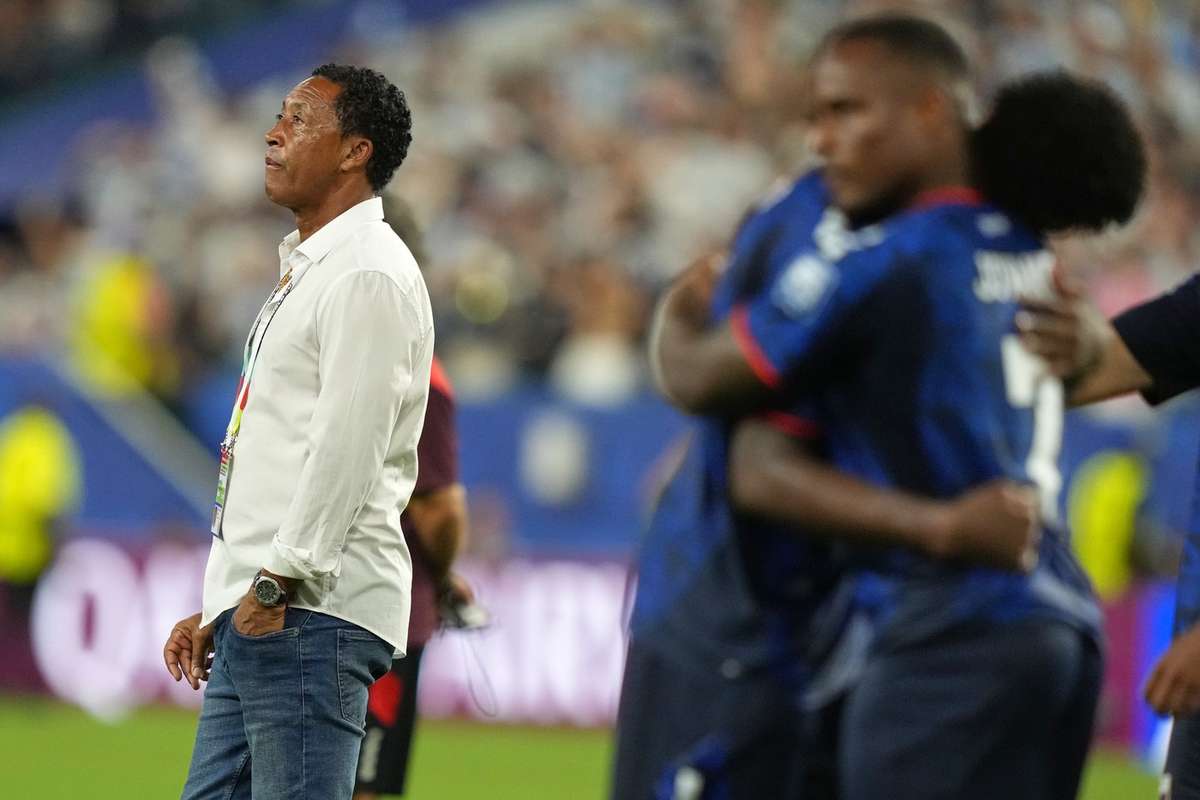
Cape Verde's first World Cup campaign ended in heartbreak on Friday, but head coach Bubista insisted the island nation should leave the tournament with heads held high after pushing reigning champions Argentina to extra time in a 3-2 defeat.
The 67th-ranked Africans arrived as outsiders and became one of the surprise stories of the group stage. They held former champions Spain and Uruguay to draws before meeting the title holders in the knockout round. For 120 minutes, a squad built largely outside Europe's elite leagues refused to back down against a side that controlled possession and created the sharper openings.
A Dressing Room Built on Growth, Not Excuses
Bubista, the former centre-half who shaped this project from the ground up, said the immediate mood inside the camp was raw. Players embraced one another in tears after falling just short of a place in the next round, and the coach treated that reaction as proof of how far the group had traveled.
"The feeling in the dressing room is one of sadness," Bubista told reporters. "We're sad, of course; we're sad because we're leaving the competition and because we got so close, so close."
He framed that emotion as evidence of progress rather than failure. Most of his players do not compete in the world's top domestic leagues, yet they stood level with some of the planet's strongest national teams for long stretches of this World Cup. The run was not built on a single lucky night. It was the product of a clear identity, disciplined defending, and a willingness to attack when the moment demanded it.
"Even though they are sad, the players were hugging each other, and they were crying. This is part of growing. This helps us grow, and also shows that the team has a soul."
Two Goals Against the Champions
Argentina's quality told over the full distance. Bubista did not dispute that the South Americans showed why they remain world champions. What stood out to him was how Cape Verde responded when the stakes were highest.
"I feel pride in my players and what they did. They did it with dignity and courage," he said. "I think Argentina showed why they are world champions. I think I can say our team showed how willing they were to play this match."
Cape Verde scored twice and forced extra time against a team capable of dominating the ball and stretching defenses. Bubista argued that few sides at this tournament could have matched that fight over 120 minutes.
"I don't think any other team could have scored two goals against Argentina and taken the match into extra time. I think that shows the character of our team, how skilled our team is. They did it with bravery, and never did we lose our identity."
That comment captured the core of his leadership message. Bubista has never asked Cape Verde to mimic a European powerhouse. He wanted a group that could compete honestly, absorb pressure, and still threaten the best teams in the world when chances appeared.
More Than Football for a Small Nation
From the opening group match through the final whistle on Friday, Bubista repeated that Cape Verde's debut on the global stage carried meaning beyond results. The coach wanted his group to carry into future cycles, regardless of how painful this exit felt in the moment.
"We played fairly, and we stayed on a level playing field with our opponents. I think everyone should thank the players for their tournament, because they showed what our small country is about."
The Decision Line That Defined the Campaign
Bubista's biggest choices were never about chasing headlines. They were about trust. He backed players from domestic and regional leagues because he believed cohesion and belief could offset gaps in individual profile. Against Argentina, that trust was tested in the most public way possible, and the response validated the project.
Staying in the match for the full 120 minutes against the reigning champions was, in Bubista's words, a huge source of pride. The loss hurt because Cape Verde came within one result of extending a fairytale run. Still, his post-match message centered on institutional growth rather than one isolated defeat.
A project once led by a defender who understood limited resources had now produced a team capable of challenging the sport's elite on the biggest stage. For a country making its first appearance at the finals, that is a meaningful legacy even on the night the campaign ended.
What Comes After the Tears
The sadness in the dressing room will fade. The proof of identity, courage, and competitive nerve figures to last far longer for Cape Verde and for the coach who built this side. Bubista leaves the tournament with a clear public verdict: his players represented the nation with dignity, fought the champions toe-to-toe, and showed that a small country can belong among the world's best when the preparation and mentality align.
That is the standard he wants remembered. Not the extra-time scoreline alone, but the manner of the fight and the conviction behind it. Cape Verde's first World Cup chapter closed in defeat, yet Bubista's final message was unmistakable. The team left as competitors, not visitors, and that is the foundation he intends to build on next.