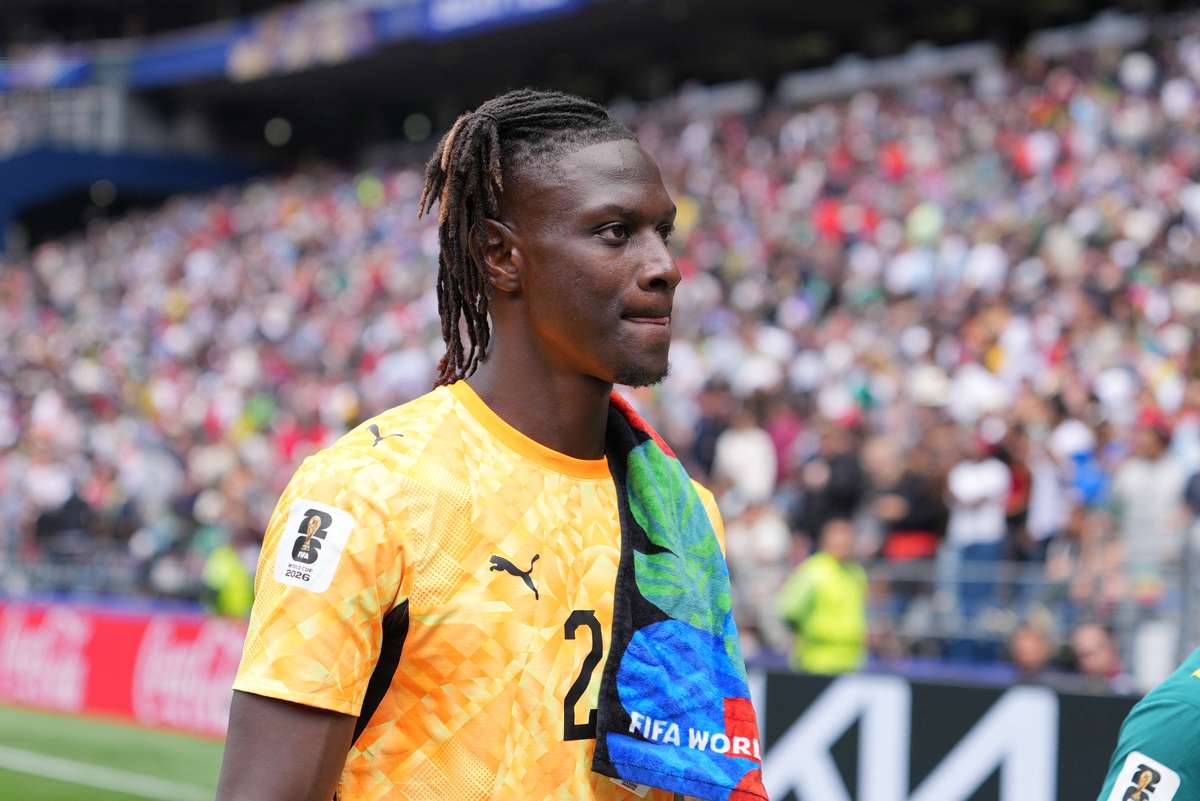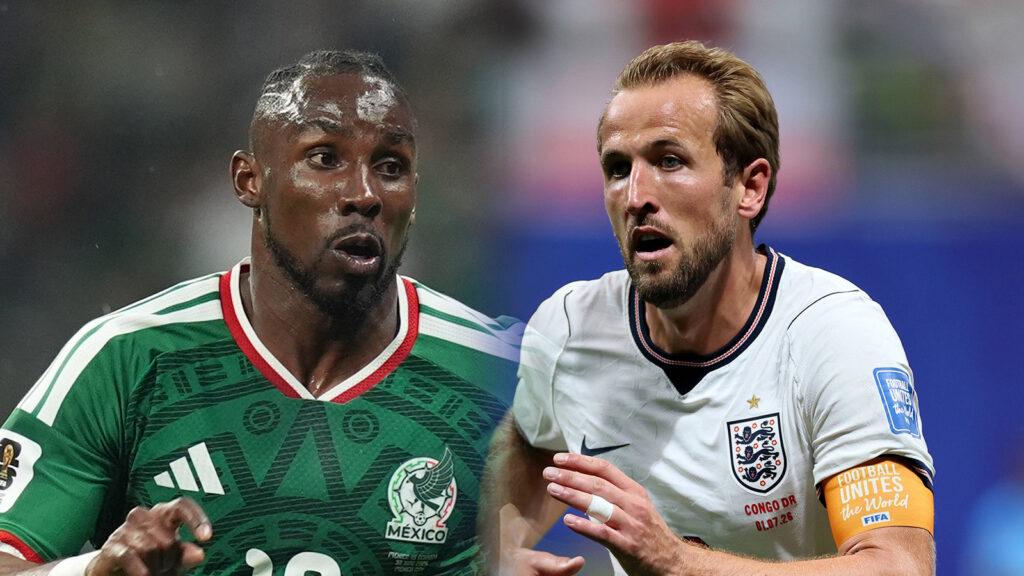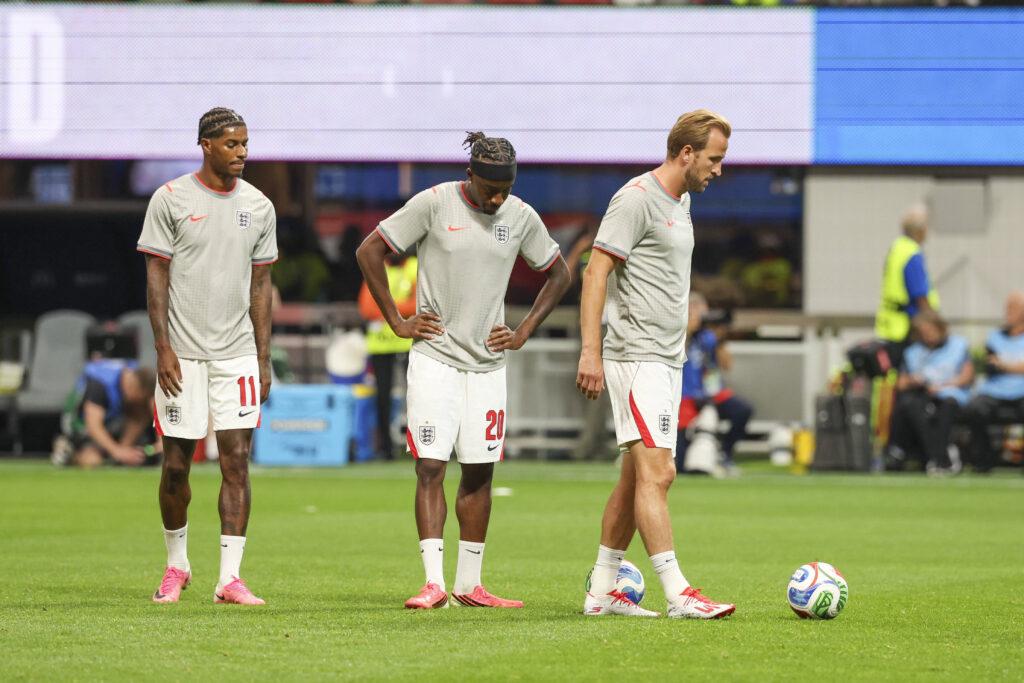



















The Estadio Azteca was never going to offer a quiet introduction to knockout football. Even before a ball is struck, the last-16 meeting between England and Mexico has already absorbed the kind of administrative turbulence that tournament lore tends to remember long after the final whistle.
FIFA examined moving the fixture forward as thunderstorms were forecast around the scheduled opening whistle. Reports on Friday evening pointed toward a revised start of 7pm BST — midday in Mexico City — instead of the original 1am BST slot, which corresponds to 19:00 local time. Both federations pushed back hard. By the time the conversation closed, the governing body had reversed course. The match will begin as planned.
When the Schedule Becomes the Story
Major tournaments rarely unfold in isolation from the cities that host them. Mexico City sits roughly 2,200 metres above sea level, a detail that reshapes breathing, recovery, and the rhythm of a ninety-minute contest. Weather adds another layer. A storm window near kick-off is not merely a logistical inconvenience; it can alter player readiness, travel patterns, and the emotional temperature inside a stadium built to amplify every cheer.
The proposed change would have compressed England's final preparation window and forced Mexico to recalibrate a home environment they have spent years learning to weaponise. Neither camp treated the idea as a minor tweak. FIFA's decision to hold the line restores a fixed point in a week already thick with speculation.
England Ranked Fourth, Unafraid of the Climb
England enter the tie ranked fourth in the latest FIFA standings, unchanged from the previous cycle on 1825.97 points. That number reflects consistency more than comfort. The squad has spoken openly about embracing difficulty rather than negotiating around it.
Attacking midfielder Morgan Rogers framed the atmosphere around the fixture as part of the competition's emotional architecture. Speaking to reporters on Friday before departure for Mexico, he described how obstacles — altitude, crowd noise, the weight of a quarter-final place — can sharpen collective focus rather than drain it.
"The build-up and everything around it, the different obstacles we have to face, I think just adds to that kind of adrenaline, that kind of excitement that you have as a team, and the prospects of getting to a quarter-final of a World Cup, and what that means to us as players, as well," Rogers said.
"With that extra bit on top, I think it's a great occasion. Of course, we know the difficulties, how well they're playing, the atmosphere, and all of that. But we know that if we're at our best, we can beat pretty much anyone."
That language matters. England's recent World Cup profile includes stretches of controlled possession and high passing accuracy — including a 67% share and 557 attempted passes in one winning display this cycle — yet knockout football at altitude asks a different question. Can a team that prefers structured rhythm still impose its patterns when thin air and hostile noise compress decision time?
Mexico's Fifteenth-Ranked Momentum
Mexico arrive ranked fifteenth globally, up one place on 1681.03 points. The trajectory alone does not tell the full story. El Tri reached the knockout phase unbeaten and without conceding, then ended a forty-year wait for a World Cup knockout victory by defeating Ecuador in the round of 32.
Their tournament numbers underline a pragmatic edge: fifteen shots and two goals in a recent winning performance, with a 43% possession share that suggests comfort letting opponents circulate the ball before striking on transition. At the Azteca, that profile gains altitude — literally and figuratively. Home support, familiar air, and a defensive record that has yet to be breached in this run combine into a formidable package.
Rashford and the Myth of Neutral Conditions
< a href="/football/competition/world/world-cup/90d05ca8e70b57c3">Marcus Rashford offered a cooler appraisal of the environment debate. Asked whether altitude and atmosphere could decide the tie, he stripped the setting back to its essential form.
"It's a game of football. We've all been playing football since we were kids and we've played in different environments, different atmospheres, some easier than others, some terrible to play in, and disgusting," Rashford said.
"It's up to us to try and find a way to come out on top, and that's what the focus is. We have to work together and try and bring as close to our best as we can, and we'll be fine."
The quote reads like a training-room principle translated for a press conference: conditions vary, execution endures. For England, that mindset aligns with a broader preparation culture that treats external variables as inputs rather than excuses. Altitude protocols, sleep timing, and hydration strategies belong to the same family of knowledge that has gradually reshaped how elite squads travel through hostile venues.
Off-Field Noise and On-Field Intent
England have also accounted for the possibility that distractions may arrive from beyond the touchline. Tournament weeks at this stage rarely offer sterile corridors or uninterrupted routines. The squad's emphasis has remained on controlling what they can — tactical clarity, collective discipline, and the emotional steadiness required when a quarter-final berth is within reach.
What the Unchanged Kick-Off Really Means
By keeping the 1am BST start, FIFA preserved more than a timestamp. It locked in a contest shaped by geography, weather anxiety, and two nations with sharply contrasting paths into the last sixteen. England carry top-five pedigree and a stated appetite for adversity. Mexico carry an unbroken defensive record and the psychological lift of a historic round-of-32 breakthrough.
When the whistle finally goes at the Azteca, the story will leave the committee rooms behind. The altitude will remain. The crowd will remain. The storms may or may not arrive. What neither side can afford to lose is the conviction that hardship, properly understood, can be converted into performance rather than fear.
That is the appointment both teams kept — not a convenience, but a test.