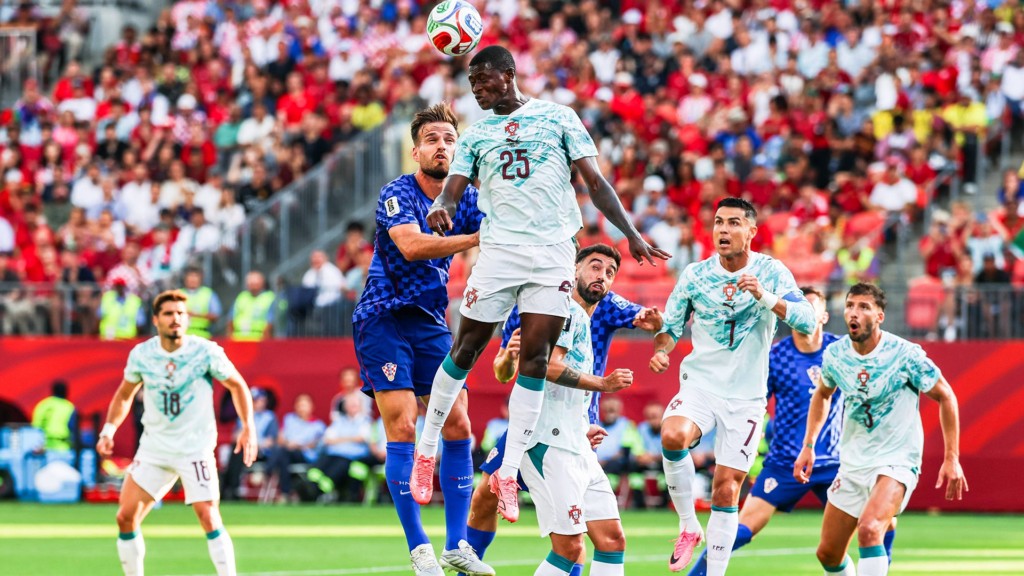















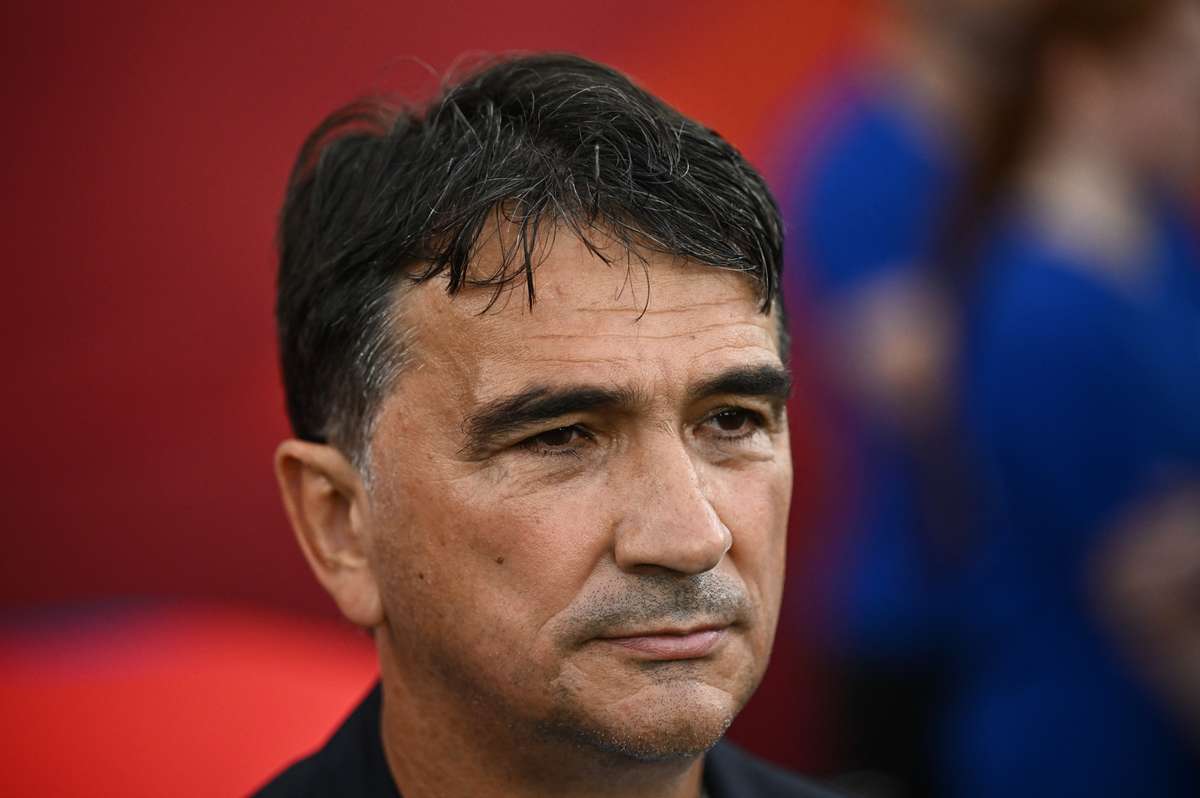
Croatia's run at the 2026 World Cup ended in Toronto with a 2-1 defeat to Portugal, and the post-match conversation quickly centered on two intertwined storylines: a VAR decision that wiped out a potential equalizer, and the likely final World Cup appearance of captain Luka Modric.
For a nation that reached the final in 2018 and finished third in Qatar, this marked the earliest exit since a group-stage departure in 2014. The result also underscored a wider tension in modern tournament football — when technology corrects a call by the letter of the law, the competitive outcome can still feel deeply unfair to the team on the wrong side of the review.
How the Match Turned in the Second Half
Ivan Perisic gave Croatia the lead less than ten minutes into the second half, converting one of the better spells of pressure the Checkered Ones had managed after a first half filled with central chances that went unpunished.
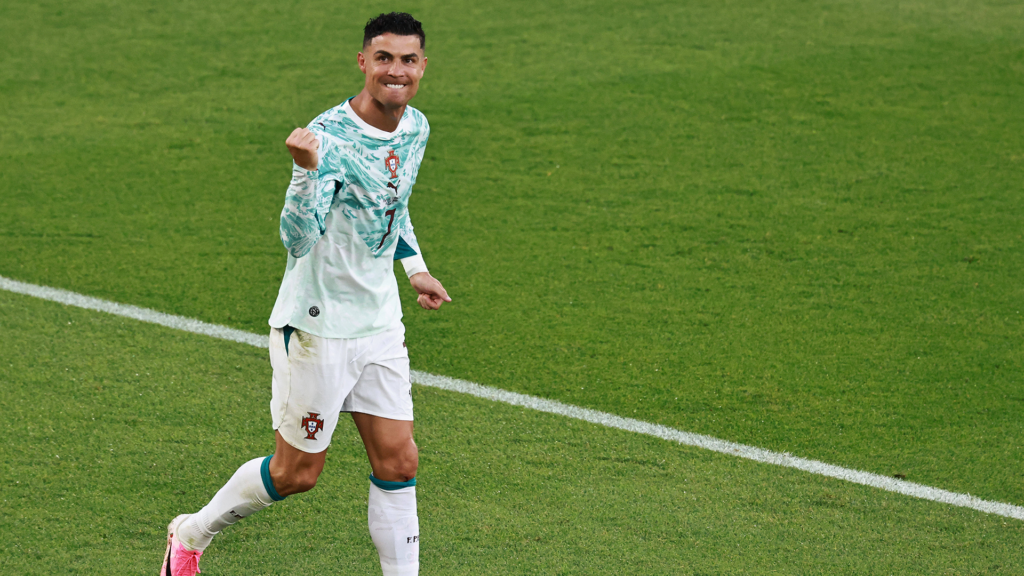
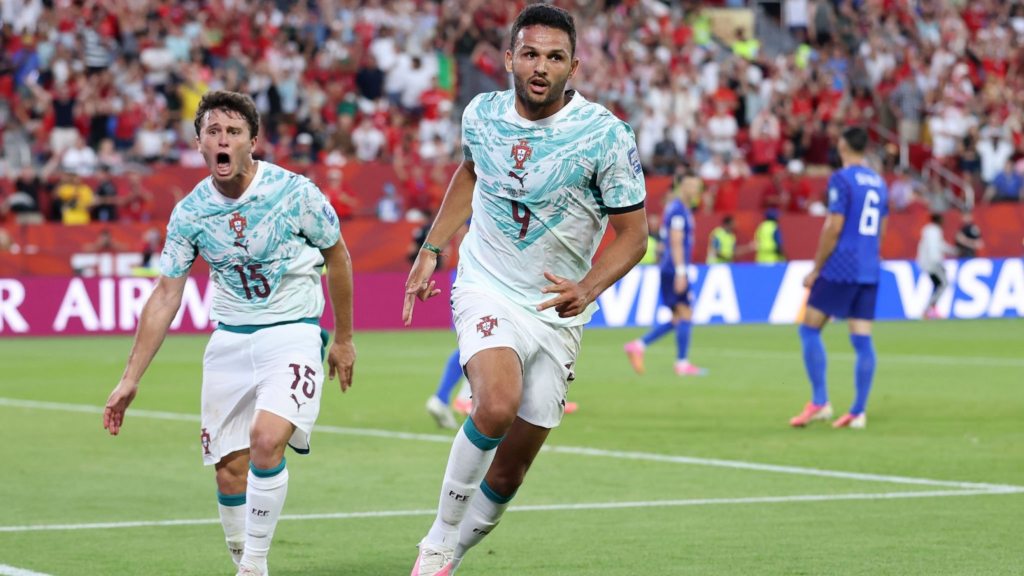
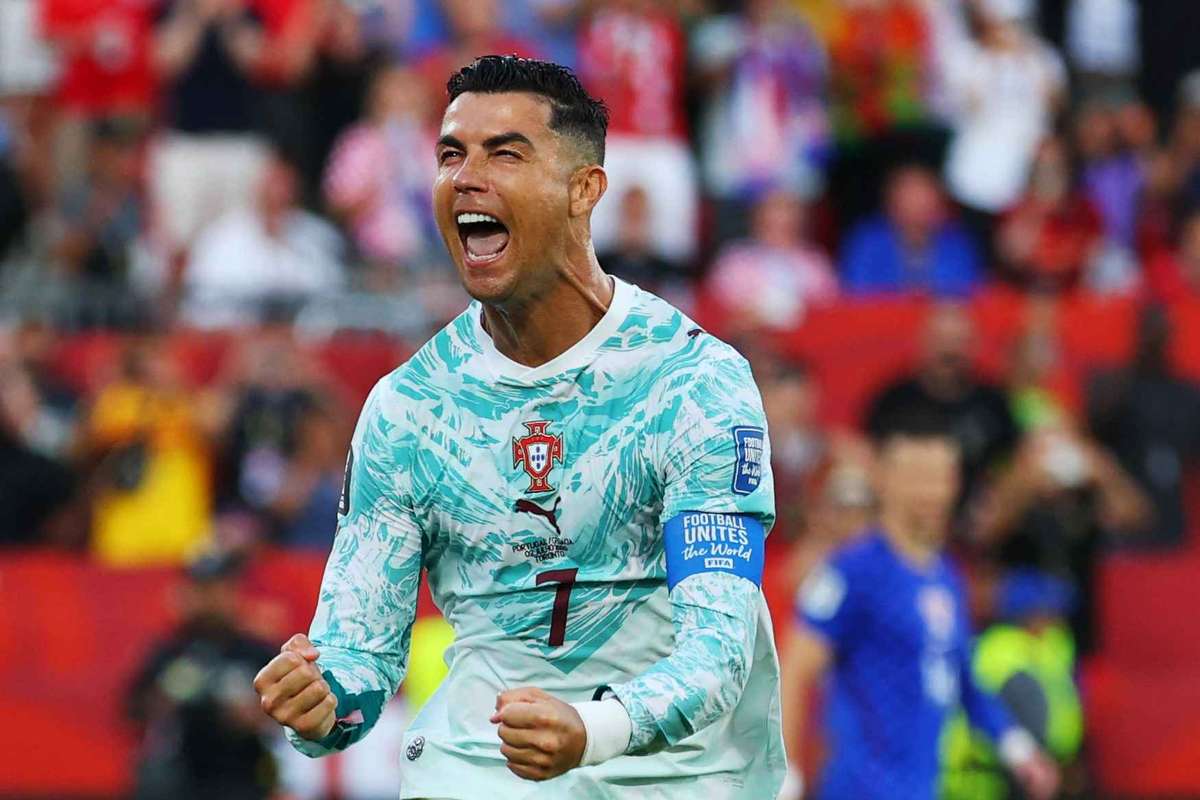
Portugal responded with the composure expected of a FIFA-ranked No. 5 side. Cristiano Ronaldo and Goncalo Ramos struck to flip the scoreline and send the European side through at Croatia's expense.
The underlying numbers reflected a contest shaped as much by efficiency as volume. Croatia finished with 13 shots and six on target while holding 39% possession in a 4-2-3-1 setup. Portugal, lining up in the same shape, recorded 15 attempts and three on target but controlled 61% of the ball and converted the moments that mattered most. In knockout football, that gap between chance creation and finishing often decides who advances.
The Disallowed Equalizer and Dalic's VAR Stance
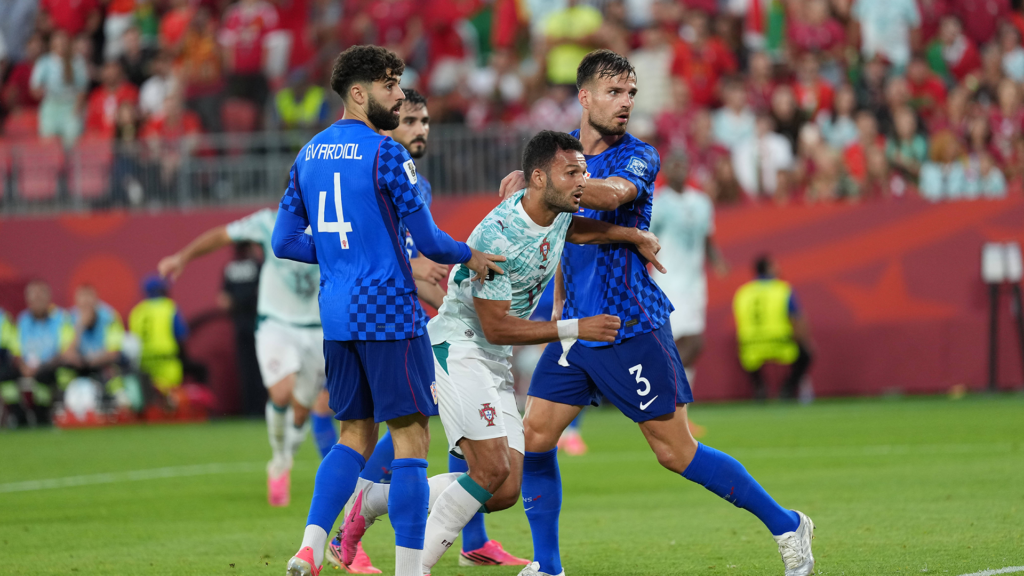
The defining sequence arrived in stoppage time. Substitute Josko Gvardiol appeared to level the score, only for VAR to intervene and rule out the goal for offside in the build-up.
Zlatko Dalic made clear he had already shared his private view and did not want to revisit the incident in detail. "Please don't have me speak about the disallowed goal," he said. "It's not up to me. I've said what I actually think, but going any deeper with analysis I don't want that."
His broader critique was procedural rather than personal. Dalic argued that repeated interventions drain emotion from the sport, even when officials apply the rules as written.
"All these decisions take you back and take the joy out of football," he said. "I'm not saying that VAR cannot be of help, but it kills the emotions. It kills anything within you. It isn't easy to deal with all of this. Football should be fair and these decisions should be such, but we've gone too far with VAR."
That framing fits a pattern seen across recent major tournaments. Offside reviews measured in millimeters produce technically correct outcomes while leaving coaches, players, and supporters questioning whether the trade-off serves the spirit of the game. Dalic stopped short of alleging bias; his complaint was about cumulative effect — another late reversal in a match Croatia felt it could have closed earlier.
Stoppage-Time Conceding and First-Half Chances
Beyond the VAR episode, Dalic pointed to structural issues within the 90 minutes. Croatia conceded again deep into added time, compounding the frustration of a night that ended in elimination rather than extra time.
"It's never easy to concede a goal in the last minute of the match," he said. "We should've resolved this differently. We should've been better in the first half — there were a lot of center shots. We had good chances. Dramatic, filled with emotions, but that's life. That's football."
The self-assessment aligns with the data profile: six shots on target suggests Croatia created enough to demand more from the opening period. In a single-elimination World Cup environment, failing to convert early pressure often leaves a team vulnerable to the kind of late swing Portugal executed.
Modric's Likely Farewell and Croatia's Tournament Arc
Parallel to the officiating debate, Dalic addressed the emotional weight of Luka Modric's probable exit from the World Cup stage.
"This was probably his last World Cup and I'm sorry it ended this way," the 59-year-old coach said. "Very sadly with a defeat. Luka played in the second half and was again one of our key players. I feel really sorry that it ended this way. He has shown his quality and his character and he was leading Croatia to the end."
Modric entered after the interval and, by Dalic's account, remained central to Croatia's structure and leadership even as the tie slipped away. For a player who helped drive the country's rise from 2018 finalist to 2022 bronze medalist, a Round of 16 defeat — decided in part by technology and in part by late defensive lapses — is a harsh closing chapter.
Croatia arrived in this cycle ranked 11th in the world, unchanged from the previous listing, carrying expectations built on sustained overachievement. Portugal, climbing to fifth in the latest FIFA table, proved the sharper side when the margin for error disappeared.
What the Exit Means Going Forward
Dalic congratulated Portugal while declining further discussion on the disallowed goal, a boundary that signals his priority: absorb the loss without letting a single review dominate the narrative around his squad's effort.
He also thanked supporters at Toronto Stadium, describing the atmosphere as "truly wonderful football" and expressing hope the sport retains that feeling rather than becoming purely transactional.
For Croatia, the immediate takeaway is structural. Another generation must fill the space Modric occupied, while the federation and coaching staff confront recurring questions about game management in knockout rounds — particularly when leads are surrendered and late chances depend on fine margins.
For the wider tournament, Dalic's comments add to an ongoing policy conversation. VAR was introduced to reduce clear errors; in practice, coaches increasingly weigh whether precision at the pixel level comes at the cost of the spontaneity that defines the sport's emotional appeal.
Portugal moves on with momentum and a proven ability to recover from deficits. Croatia departs with pride in its recent World Cup pedigree but also with regret — for a erased equalizer, a stoppage-time concession, and a captain whose international story deserved a different final page.