















Dual-track Gambit Before the Group G Finale
In the third round of Group G at the World Cup, Egypt and Iran will meet head-on at Lumen Field in Seattle. A group-stage finale means every touch carries extra weight—one side has shown stronger attacking output over the first two rounds, while the other has stayed unbeaten through deep defending and high-intensity running. FIFA rankings show Iran currently 21st, down one place from the previous list, and Egypt 29th, up two places, but the reality on the standings table is far more complex than the numbers suggest.
Style Contrast: Pressing vs. Consolidation
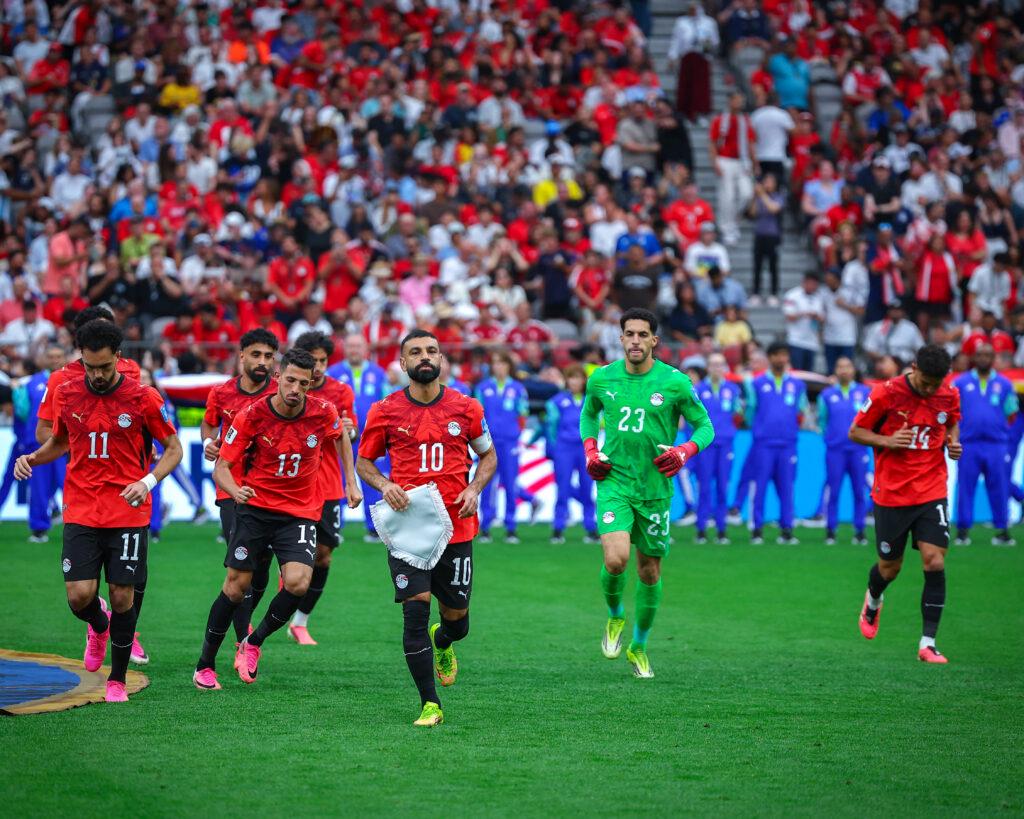
From the two completed World Cup matches so far, the two teams’ rhythms differ clearly. Egypt have scored four goals and conceded two, with 33 shots in total—22 from inside the box—converting one of five big chances while missing the other four; they averaged 51% possession, completed 924 passes at an 85% success rate, and delivered 35 crosses from wide areas. Single-match data further confirms their attacking bent: one game brought 19 shots, seven on target, 56% possession and a 3-0 win; another brought 14 shots, three on target, 46% possession and a draw.
Iran operate on a different logic. They arrive on a five-match unbeaten run, often lining up in a compact 5-4-1, working hard out of possession, and have conceded only two goals so far with one clean sheet. In a recent away game in a 4-4-2 they still went unbeaten, with 17 shots, four on target, two goals and 48% possession; in another under a 5-4-1 they managed seven shots, three on target, no goals, and 30% possession—behind that low possession lie longer runs and deeper defensive retreats. That low-possession, high-discipline foundation makes Egypt’s failure to keep a clean sheet in three straight games look even more glaring.
Key Players: Salah and Marmoush
Salah remains the fulcrum of Egypt’s attack. He has delivered eight key passes for the team, with one goal and two assists—the highest goal involvement on the squad. Providing vertical thrust alongside him is Omar Marmoush, who poses a direct threat with a team-high eight shots and a peak speed of 34.65 km/h. Iran must limit not only Egypt’s possession play but also second-ball danger after set pieces—Egypt attempt corners and crosses more frequently, and whether Iran can cut down unnecessary fouls within a disciplined framework will directly affect the tempo of the match.
Referee, Cards and Matchday Variables
The referee for this match is Szymon Marciniak, who brings extensive major-tournament experience. Over 569 career matches he has shown 2,425 yellow cards and 56 red cards, averaging slightly more than four yellows per game—usually indicating officiating that keeps the game flowing while maintaining control. In Egypt’s last 10 matches, nine had total cards below 4.5; in Iran’s last nine, eight fell in the same range; in Egypt’s last 10, eight had total corners below 10.5. In a Group G tempo built on stabilizing first and waiting for variables, the first goal will likely reshape the tactical plan quickly—and with no recent head-to-head record to reference, the uncertainty around in-game adjustments is amplified.