
















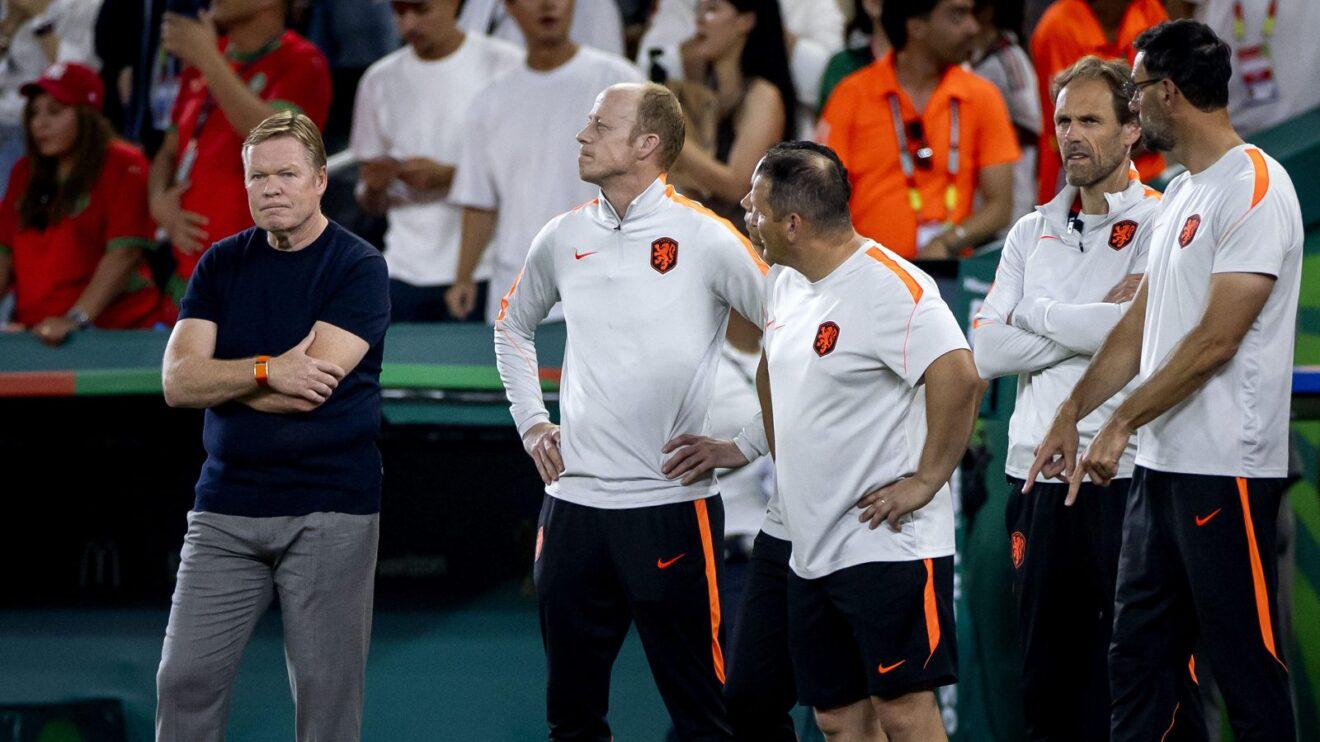
There is a particular kind of silence that settles over a tournament city when a favorite goes home. Not the roar after a goal, not the nervous hum before kickoff, but something flatter—café conversations that stop mid-sentence, scarves half-lowered, phones lighting up with the same tactical screenshot shared a thousand different ways. Monday delivered that mood for anyone following the Netherlands at the World Cup, and at the center of it stood Ronald Koeman, unbowed and unapologetic about a plan that will be argued about long after the flights home are booked.
The numbers alone tell one story: a 1-1 draw through extra time, then a 3-2 defeat on penalties. Dig deeper and the shape of the evening becomes harder to ignore. The Dutch finished with roughly thirty percent of the ball and managed three shots on target. Morocco, ranked eighth in the world and riding the confidence of a side that has learned to win when it matters, pushed forward with six. For travelers who have moved from group-stage parties to knockout tension, that imbalance is the difference between a match you feel in your chest and one you watch through your fingers.
Koeman’s choice was the headline before the final whistle ever sounded: five defenders, a back line widened and reinforced, a setup that breaks from the romantic idea of Dutch football as perpetual motion and orange waves. He did not frame it as retreat. He framed it as math—less given away than in earlier group games against Sweden and Tunisia, less risk against an opponent he considered stronger than those tests. If Morocco had not equalized late, he suggested, the same plan might have been praised as pragmatism. Instead, elimination rewrote the verdict overnight.
That is the cruel arithmetic of knockout football, and it is also what makes fan culture around a manager’s decision so intense. In fan zones and hotel lobbies, the argument is never only about shapes on a tactical board. It is about identity. The Netherlands sit seventh in the FIFA rankings, separated from Morocco by the thinnest margin of points and reputation, yet the emotional contract with supporters often demands something bolder than survival. Koeman knows that contract better than most. He has heard the disapproval before when he strays from the traditional attacking school, and he heard it again in the mixed zone after the shootout.
What stood out in his tone was not bravado but repetition. He said he would choose the same approach again. He said fear had nothing to do with it—not with three strikers on the field, not with a strategy built on studying the opposition rather than dreading them. He told reporters they were entitled to criticize from the sidelines while he stood with the players who had discussed the plan and agreed to it. Whether you find that refreshing or stubborn depends on where you were sitting when the penalties started, but it is exactly the sort of post-match posture that keeps a coaching story alive when the tournament moves on without you.
For supporters who treat a World Cup as a journey as much as a competition, elimination nights carry souvenirs you did not plan to collect. There is the memory of how a city felt when the result landed—the way a bar goes quiet, then erupts into fragmented analysis. There is the tactical photo that circulates before anyone has slept: five across, compact lines, the orange kit still bright under the lights but the rhythm changed. There is the small, private reckoning of whether you traveled thousands of miles to watch a team protect itself into a coin flip, and whether a coin flip is an insult or an honest admission of how fine the margins are at this level.
Morocco, meanwhile, carry the other half of the story forward. Their reward is a last-sixteen meeting with Canada in Houston, a continuation of a run that has again made North African football feel like a gathering force in the global game. For Dutch fans, the contrast stings: the team that ended their summer advances while Koeman ponders his own future after reflection. He made clear that decision would come later, after the dust of defeat settles—a familiar pause in a job where public patience is measured in single matches.
In the days ahead, the conversation will likely split along predictable lines. Some will say the Netherlands surrendered the very qualities that make them worth watching. Others will insist Koeman read the opponent correctly and lost on the smallest details—a late equalizer, a penalty sequence, the kind of chaos no five-man block can legislate out of existence. Both camps will cite the same possession figure, the same shot count, the same quote about doing it all again.
That is perhaps the most lasting image from this night: not a goal, but a manager insisting that caution was competence, not cowardice. For anyone who follows the tournament as a living culture—debates in transit, friendships forged in queues, the way a single tactical choice becomes folklore—this exit will not fade quickly. The World Cup rolls on toward Houston and beyond, but in the orange corners of fan life, Ronald Koeman’s defiant five-at-the-back night will remain a story told with sighs, screenshots, and the stubborn question of what Dutch football is supposed to look like when survival is on the line.