

















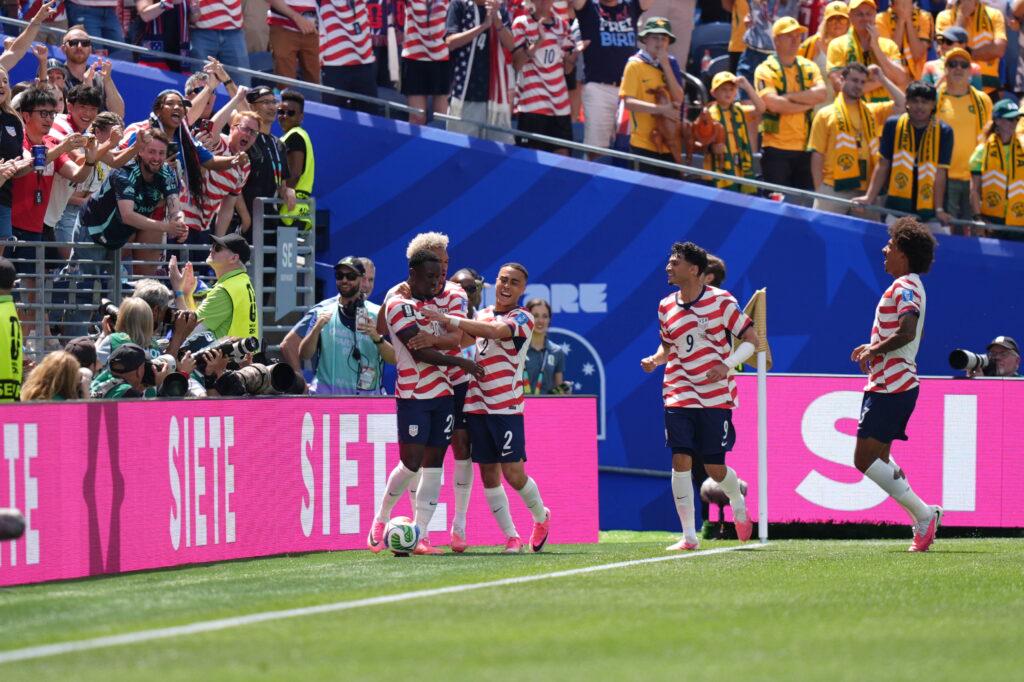
At Lumen Field in Seattle, hosts United States rode a devastating first-half display to beat Australia 2-0 in their opening Group D match at the 2026 World Cup. Kugge put through his own net in the 11th minute, and Freeman's 44th-minute header was confirmed by VAR, leaving the Americans 2-0 up at the break—a scoreline that never changed. Pochettino's 3-5-2 had Popovic's 5-4-1 pinned back by half time; the Socceroos reshuffled after the interval but still could not overturn the defeat.
Pochettino's Halftime Management Philosophy
The data left little room for debate. In the first half, the United States enjoyed 70% possession, completing 259 of 293 passes and advancing into the final third 38 times, compared with just 19 for Australia. Shots stood at 9-2, with seven taken inside the box, and expected goals read 1.21 to 0.12. This was no fluke, but proof of systemic execution—in the attacking third they won 105 of 136 duels for a 77% success rate. Pochettino had stressed in the pre-match locker room that the team must give the opposition "no breathing room in the first 45 minutes," and that tactical discipline translated into 26 successful long balls from 58 attempts, 11 successful dribbles from 17, plus 21 tackles and 21 interceptions. They were just as aggressive out of possession, recording six blocks to Australia's zero across the match.
Given that the United States are ranked 16th in the FIFA world rankings, one place down on their previous position, this emphatic win at least halted their slide. An 85% pass-completion rate on 524 attempts with 62% possession at home was a vivid reflection of the collective ethos under Pochettino—every player doing the right job in the right area. As one of the joint hosts alongside Canada and Mexico, the United States carry no qualification pressure, but this performance showed their intent to turn home-schedule advantage into points, with a mentality far tougher than their ranking suggests.
Popovic's Dilemma on the Day
Opponent Popovic set up in a 5-4-1 before kickoff to compress space, and his side did win 12 of 19 aerial duels in the first half for a 63% success rate. But a Kugge own goal sent the entire plan collapsing by the 11th minute. In first-half ground duels, Australia won only 16 of 37 contests; Jordan Bos was booked in the 16th minute and Alessandro Circati in the 32nd, shaving a layer off their defensive sharpness. Popovic brought on Jason Gria and Nestory Irankunda in one go at the break, but the Socceroos managed just five shots and two on target all game, completing 308 passes at a 72% success rate—well short of the United States' attacking intensity.
Australia remain 27th in the FIFA rankings, with 1580.67 points unchanged from the previous edition. The 0 goals and 38% possession in this match exposed shortcomings in end-stage conversion efficiency—six touches in the box against 14 for the United States, 16% crossing success against 36%. Dressing room sources indicate Popovic's top post-match priority is rebuilding trust in the back line; otherwise their aerial edge cannot translate into goals, and the squad's morale will be further drained at critical group-stage junctures.
Freeman: A Right-Back Template for Attack and Defense
It was right-back Alexander Freeman who tipped the scoreline scales. Playing the full 90 minutes, he took one shot and scored one goal, with a headed expected goals value of 0.60 and on-target xG of 0.95—efficient and lethal. He completed 59 of 65 passes for a 91% success rate: 27 of 31 in his own half, 32 of 34 in the opposition half, plus one key pass. He won 10 of 14 duels, was 4-2 in the air, and recorded four tackles, two interceptions, and five clearances. For a full-back, this is the clearest illustration of Pochettino's doctrine that full-backs must contribute to finishing—not reckless overlapping runs, but timing the run into the box for a decisive strike.
On the other side of the goal line, Patrick Beach made saves but could not prevent two first-half goals from going in. In the assist chain, Malik Tillman played the key pass from midfield half-space, becoming one of the catalysts for the United States' high press in the final third. Kuze's own goal was indeed a twist of fate, but Freeman's strike was the product of the system at work: one cross, one header, turning the dominance reflected in nine first-half shots into tangible goals on the scoreboard.
Qualification Picture and What's Next
A perfect opening assignment in Group D left the United States holding the upper hand on both points and goal difference with a 2-0 win. Australia, meanwhile, must quickly digest this defeat—despite improvement after the break, they were still outshot 5-10 at the final whistle, 3-8 in the box and 4-7 on corners. The Socceroos must now turn their aerial edge into goals over the remaining group games, or Popovic will face a second test of his standing in the dressing room.
Our read: Pochettino traded structure for space; Popovic traded numbers for depth. After eleven minutes of self-inflicted disorder in the first half, the host had already seized control of the game's rhythm. If the United States maintain this efficiency in transitions across all three thirds, they hold the initiative for Group D qualification; Australia's next tough fixture will be the key moment to gauge Popovic's ability to adjust and the squad's resilience under pressure.