



According to information in our possession, the Iran national team will face New Zealand in their World Cup Group G opener on Monday local time in Los Angeles. At a pre-match press conference, star forward Mehdi Taremi sent a clear message through a translator to Iranian fans worldwide: whether at home or in diaspora communities, the team will use their performances on the pitch to convey unity and bring joy back to everyone who supports them.
Taremi: Putting Unity at the Heart of the Team's Identity
Taremi's remarks went far beyond routine pre-match statements. For a national team that has long carried off-field pressure, unity is no longer just a slogan—it is crucial to whether players' personal brands and the collective image can hold up on the biggest stage. He noted that Iran has long been an ancient civilization and a united nation; coming to this tournament jointly hosted by the United States, Canada, and Mexico, the goal is straightforward—to show Iranians around the world a team pulling together as one.
Reporting from our correspondent on the ground shows that as the team arrived in the United States, news of an imminent US-Iran peace agreement was gaining momentum. Timelines on and off the pitch thus overlapped: on one side, the carnival atmosphere the World Cup is meant to bring; on the other, protests emerging around the Los Angeles venue. Some Iranian-American communities have already made their voices heard near the venue this week, and many expect expressions of differing political views outside the stadium and even in the stands on opening day. For the players, this means they must still treat "bringing joy to the fans" as their sole mission amid a deeply divided public discourse.
Off-Field Variables: Mexico as a Transit Hub and the Coach's Stance
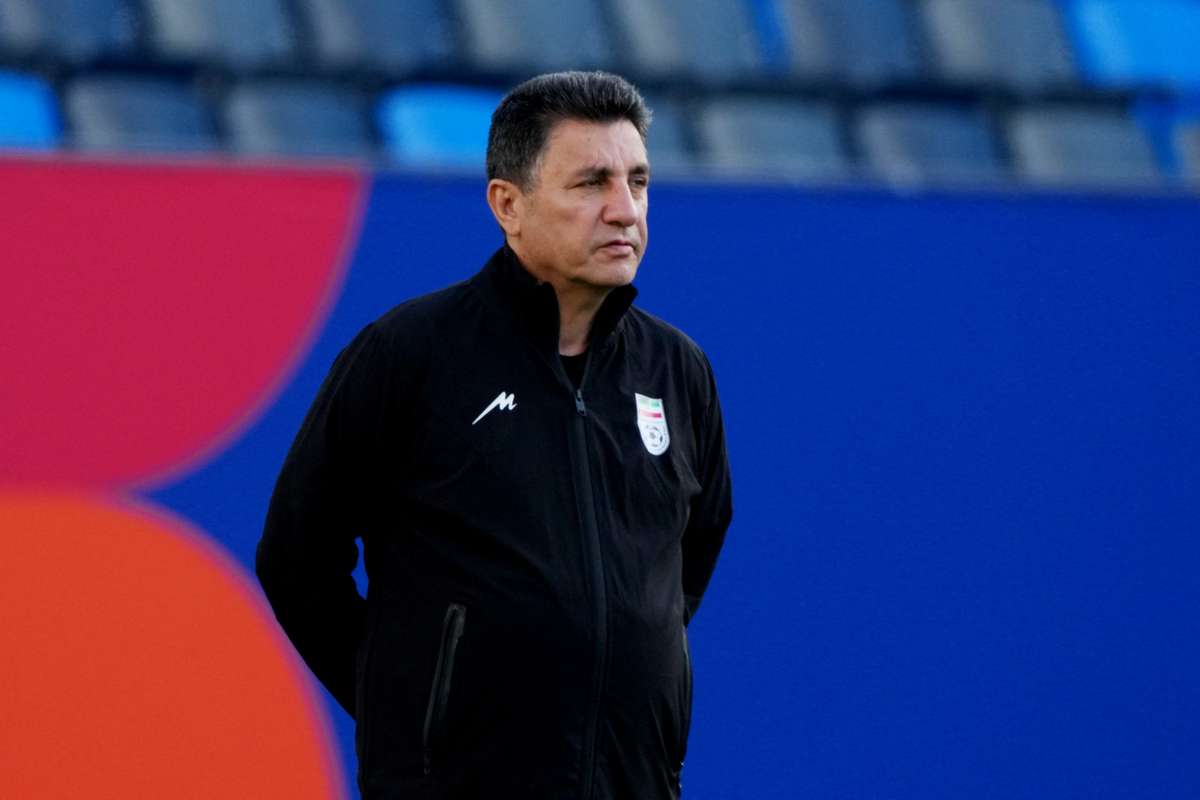
Off-field complications extend beyond the protests. With U.S. restrictions limiting teams to remaining within the country only on match days, Iran will base itself in Mexico during the group stage, and the constant travel back and forth is sure to add uncertainty to their preparations. Head coach Ghalenoei did not shy away from this reality at his press conference, offering a classic "adversity breeds opportunity" response: the team is accustomed to finding a way through hardship, and for now they only want to give their all and bring joy back to the people, leaving the rest to fate.
Both Taremi and Ghalenoei acknowledged that the tense atmosphere surrounding the team's participation has stripped some of the pure joy from this World Cup for players and supporters alike. The usual tactical talking points—formation, injuries, squad selection—were largely pushed to the margins at press conferences, though questions still swirled around Azmoun's omission from the final squad. The absence of the national team's all-time leading scorer (57 goals in 91 caps) undoubtedly weakens the attacking brand appeal and forces outside expectations for Iran's offensive firepower to be dialed back.
Group G Landscape: Ranking Gap and Qualification Pressure
From the hard data beyond the standings, Group G does not look kind to Iran. Site database figures show Belgium sit ninth in the FIFA rankings on 1,734.71 points; Egypt are 29th, having climbed two places recently to 1,563.24; Iran are 21st, one spot down on the previous ranking; and New Zealand trail in 85th. Facing the lowest-ranked New Zealand in the opener, three points are the bare minimum—and a crucial step to lift morale and steady the off-pitch narrative.
The historical record is equally bleak: Iran have never advanced from the World Cup group stage, and external expectations were never high for this tournament. Gharib did not directly answer the hypothetical question of whether he would halt the match if an old flag or critical chants appeared in the stands, insisting only that his players can block out distractions and focus on football. For the brand story, this is deliberate understatement—pulling the conversation back from political controversy to the football itself, so the "unity and joy" narrative embodied by Taremi is not torn apart in an instant.
Editor's view: Can the joy narrative withstand a divided matchday atmosphere
From a business and fan-economy perspective, Taremi is not merely playing the role of a No. 9 striker right now—he is also the emotional conduit through which Iranian football connects with the outside world. Overseas diaspora, domestic viewers, sponsors, and broadcast audiences are all waiting for one answer: when news of peace deals appears alongside street protests, can a national team use goals and grit to provide an emotional counterbalance? If they win their opener against New Zealand, the unity narrative gains its most immediate proof; if the attack falters, the negative impact of Azmoun's absence will be magnified in a hurry.
For the average fan, the talking points are clear: whether Taremi can step up under pressure, how Ghalenoei deploys limited attacking resources, and whether the team can stay sharp amid the Mexico–Los Angeles travel grind. The group stage then brings Egypt and Belgium, with every match shaping their qualification hopes and their ability to uphold the promise to "bring joy to the Iranian people" amid a divided public discourse.