













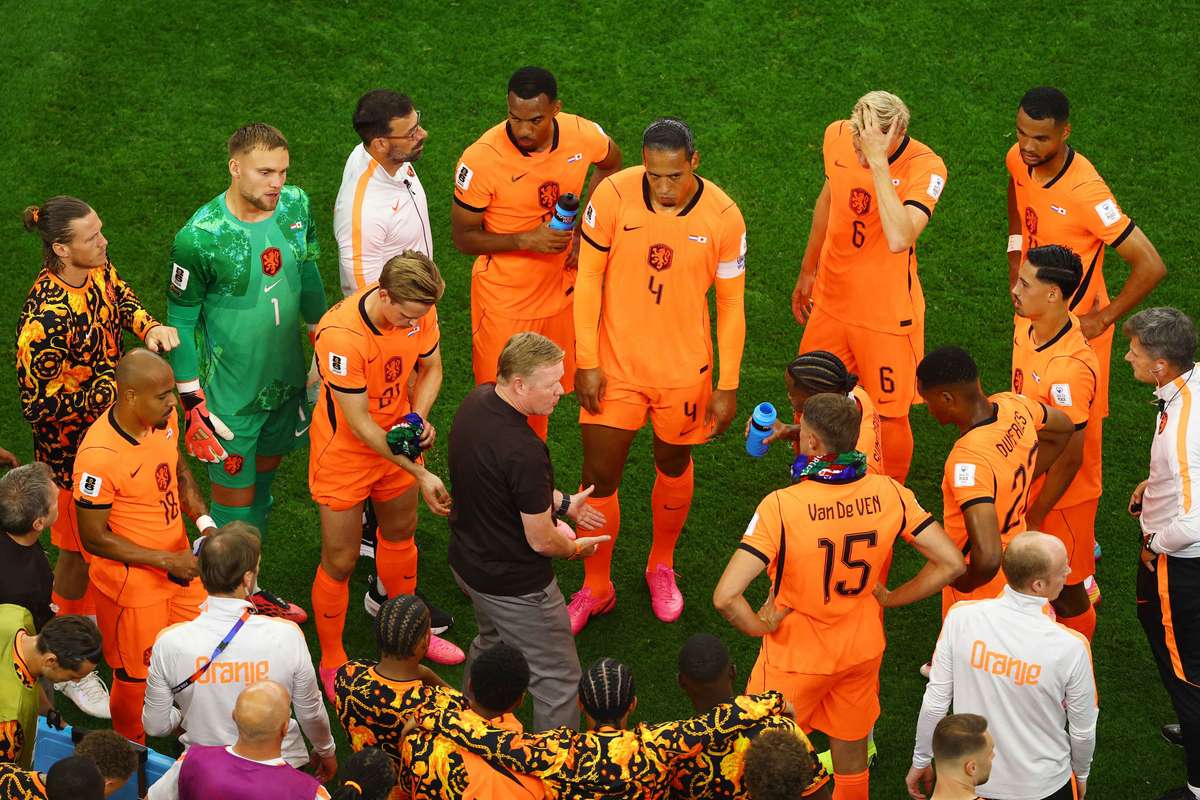
The Netherlands drew 2-2 with Japan in their Group F opener, with captain Virgil van Dijk and Crysencio Summerville each scoring once to twice put their side ahead; but after Keito Nakamura leveled, Daichi Kamada's deflected strike two minutes from time left the Oranje with no choice but to settle for a point. For a Netherlands side aiming to replicate its run to the semi-finals at the Qatar World Cup, this opening step that Koeman called the "minimum standard" proved far tougher than the rankings on paper suggested.
Twice Ahead, Twice Pegged Back
Information gathered by our correspondents on the ground shows that this encounter, in technical terms, bore the classic outline of a mismatch on the stat sheet yet a tight scoreline on the board. The Netherlands enjoyed 60% possession, completed 525 passes at an 88% success rate, and mustered 10 shots with six on target; Japan responded in a 3-4-2-1 shape with 40% possession, also finishing with 10 shots but only three on target. The Oranje held the upper hand in terms of play and chance creation, yet twice after the scoreboard put them ahead they were dragged back level—a cruel "domination without reward" script that is among the most agonizing storylines of a World Cup group stage.
Van Dijk opened the scoring, and Summerville added a second in the 64th minute, as the Netherlands appeared to be steadily following the path they took to the quarter-finals at the 2022 Qatar World Cup. Six minutes later, however, Koeman made a triple substitution, with Summerville withdrawn and Nathan Aké brought on as a third centre-back as the shape tilted toward a more conservative setup. The change was intended to lock down the win, but the opposite happened in practice: Japan seized the initiative, Kou Itakura nodded down a header, and Kamada's shot took a deflection and found the net for a 2-2 final score.
Koeman's Substitution Logic and the Cost on Defense
After the match, Koeman made it clear that he did not regret his substitution decisions, pointing directly at defensive execution. "Behind both goals, our defense had issues, and our pressing on the wings was also problematic." His comments carried the typical post-match review tone—in football, that's just how it goes sometimes; after Japan leveled, they also began to sit back, and the Netherlands had a chance to score a third goal. In other words, Koeman believed the problem was not in tactical choices, but in players giving away situations they should have held.
If we zoom out, this forms an intriguing contrast with the Netherlands' group-stage performances at Qatar 2022: four years ago they also had dominance but occasional lapses, ultimately reaching the quarter-finals; now facing Japan, ranked 18th by FIFA and up one place from the previous ranking, the Oranje still failed to fully convert their on-field advantage into three points. Koeman also stated plainly that the outside world underestimated Japan's strength, while the Netherlands "could have performed better and need to keep growing throughout the tournament." These remarks showed respect for the opponent and a sober assessment of their opening match.
Offensive Variables and Bench Depth
Another focal point on offense was Memphis Depay's substitution appearance. Koeman had just announced the day before that this all-time leading scorer for the Netherlands was fine with a thigh injury, yet he did not start this match and only came on in the second half to replace the lively Donyell Malen. Depay picked up a yellow card and failed to change the course of the game. When Xavi Simons was withdrawn early and Depay could not take control of the game's rhythm, the Netherlands' attacking sharpness during their leading phase clearly dropped—this may be the core element that Koeman, despite saying he had "no regrets," must review after the match.
For Japan, Keito Nakamura's goal and Daichi Kamada's deflected equaliser captured an Asian powerhouse's resilience in adversity. Ten shots and three on target may not look glamorous on paper, but their ability to seize two pivotal moments was enough to remind the Netherlands — ranked seventh with 1,757.87 points — not to take any opponent lightly.
Group F standings and what to watch next
The opening draw instantly complicated Group F. The Netherlands will face Sweden in Houston in their second match after nearly a week of rest, while Japan continue their campaign against Tunisia, Sweden and others. For Ronald Koeman's side — still seventh in the FIFA rankings — the points picture is not yet out of control, but the gap between expectation and reality after a match they were supposed to win has already pushed pressure to the doorstep of their next fixture.
From a tactical standpoint, if the Netherlands want to go deep at the 2026 World Cup, they cannot rely solely on set pieces in the Virgil van Dijk mould and spells of territorial dominance — how they adjust shape after taking the lead, maintain discipline out wide defensively, and connect Memphis Depay, Dries Malen, Xavi Simons and their other attackers more fluently will be the questions they must answer over the remainder of the group stage. Japan's 2-2 draw proved they deserve to be called "underrated" in Koeman's words; no team in Group F can walk onto the pitch with a sense of superiority based on rankings alone.
A week from now, the second-round showdown in Houston will test whether the Netherlands can bounce back quickly from this "minimum-standard" draw; for Japan, sustaining the focus they showed in their late fightback is the key to turning their points tally into control of their own qualification destiny. The World Cup never rewards the team that plays the prettier football — it rewards the team that protects its lead until the final whistle — something the Netherlands should understand better than anyone.