





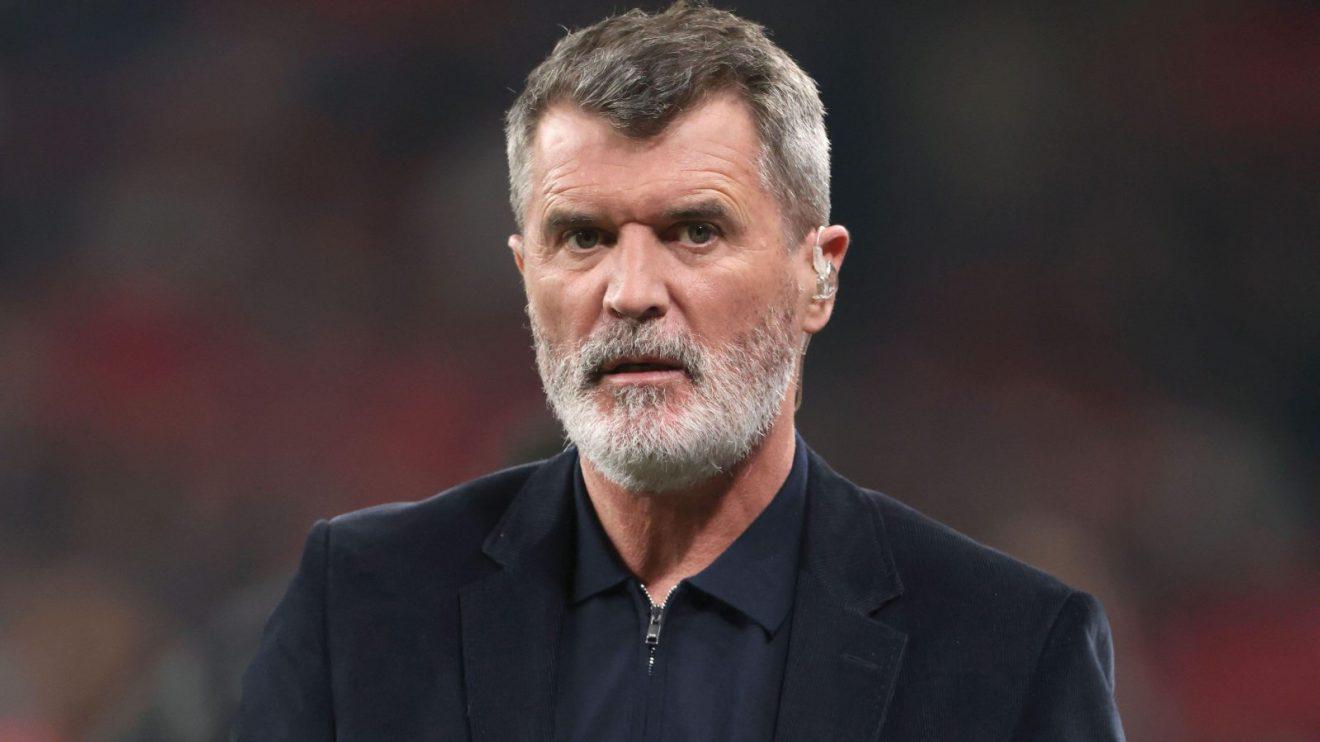
With the World Cup fast approaching, Carlos Queiroz had not even taken charge of a competitive match before his former colleague Roy Keane thrust him into the spotlight. Keane did not mince his words, declaring that the Ghana head coach "has the personality of a dead fish" and that his management credentials "raise huge question marks" — ahead of the Black Stars' second group-stage clash with England on June 23, these barbed comments have already set the Group L debate alight.
From Old Trafford to the Black Stars: Glory and Scrutiny in Equal Measure
Keane's criticism did not come out of nowhere. The two worked together at Manchester United: Queiroz first joined Ferguson's coaching staff in the 2002-03 season, returned for a second spell from 2004 to 2008, and helped deliver three Premier League titles and a Champions League trophy during that time. After managerial stints in Portugal, Iran, Colombia, Egypt, Qatar, Oman and elsewhere, he was appointed Ghana head coach in April this year with the World Cup firmly in his sights.
Keane acknowledges Queiroz as a "brilliant coach" — defensive organization remains his trademark. But he also worries that the Black Stars could "become too conservative" under Queiroz. A head coach who needs to harness the football passion of a nation of 43.3 million people in the dressing room faces a tough leadership test if core members of his old squad describe his personality as that of a "dead fish." Site data shows Ghana ranked 74th in the FIFA rankings, down two places from the previous edition; England remain firmly in the top four. A rankings gap does not equal the result on the day, but mentality and tactical approach often decide whether weaker sides can turn a 0-0 "draw inertia" into World Cup competitiveness.
June 23 vs England: Semenyo the X-factor
Ghana's group-stage clash with England is set for June 23 (Tuesday). England's primary focus should be containing Manchester City's Antoine Semenyo — the Ghana attacker's pace and directness are among the few outlets the Black Stars have to threaten stronger opponents.
Queiroz himself is full of passion for Ghanaian football culture. "In Ghana, football runs in the blood; it is everything," he said previously, noting that the combination of passion and talent was the main reason he took charge of the Black Stars. Yet passion needs a tactical outlet. Ghana have posted consecutive 0-0s in recent qualifiers — failing to score against Somalia, Ivory Coast and Gambia — and the attacking "drought" subtly mirrors Keane's concern about "excessive defending." If the World Cup follows the same rhythm, Semenyo's individual quality will be diluted by the overall structure.
Partey selected: Manager sidesteps "moral judgment"
Off-field controversy was equally glaring. Queiroz called up Thomas Partey, who currently plays for Villarreal in La Liga, to the World Cup squad, sparking a public outcry. The former Arsenal midfielder faces prosecution over multiple rape and sexual assault allegations dating from 2020 to 2022; he maintains his innocence, with the case expected to go to trial next year.
When pressed on whether he should have been selected, Queiroz refused to play judge: "The player is here, so the answer is clear. I won't comment on my decision, and it's not for you or me to pass judgment. Let the process run its course—one day the truth will come out." That stance, delivered while legal proceedings are still ongoing, shifted pressure onto the FA and the justice system, but also left the Black Stars' dressing room fully exposed under the World Cup spotlight.
Trend Analysis: Man-Management Is Queiroz's Ultimate Test
Putting the two threads together, Queiroz's Ghana tenure presents a clear contradiction: tactically, his defensive foundations are solid, in line with the traditional African approach of "establish yourself first, then push for victory"; on the management side, Keane's "dead fish" criticism and the Partey controversy point to weaknesses in communication, squad selection, and crisis PR. For the Black Stars, ranked 74th by FIFA and on a run of consecutive draws, the World Cup is not a stage to prove you "can set up a defense"—it is a test of "whether you can get the team playing with purpose and stand up to the pressure."
The June 23 clash against England will be the first hard benchmark. England are fourth in the rankings and boast greater squad depth, but if Queiroz locks the Black Stars into a "defend-only" approach, Semenyo's counter-attacking room will be squeezed, and Partey's off-field shadow could loom larger after a defeat. Conversely, if they show aggression against a top side, Keane's criticism may become pre-match noise, and Queiroz can use his performance on the pitch as his own defence.
For us, the conclusion is clear: Queiroz’s coaching credentials need no endorsement from Keane, but the World Cup manager’s job has never been about the tactics board alone. Whether the Black Stars can fight their way out of Group L depends on whether Queiroz can truly evolve from a “brilliant coach” into someone who can “lead a team”—a step harder and more important than any ranking number.