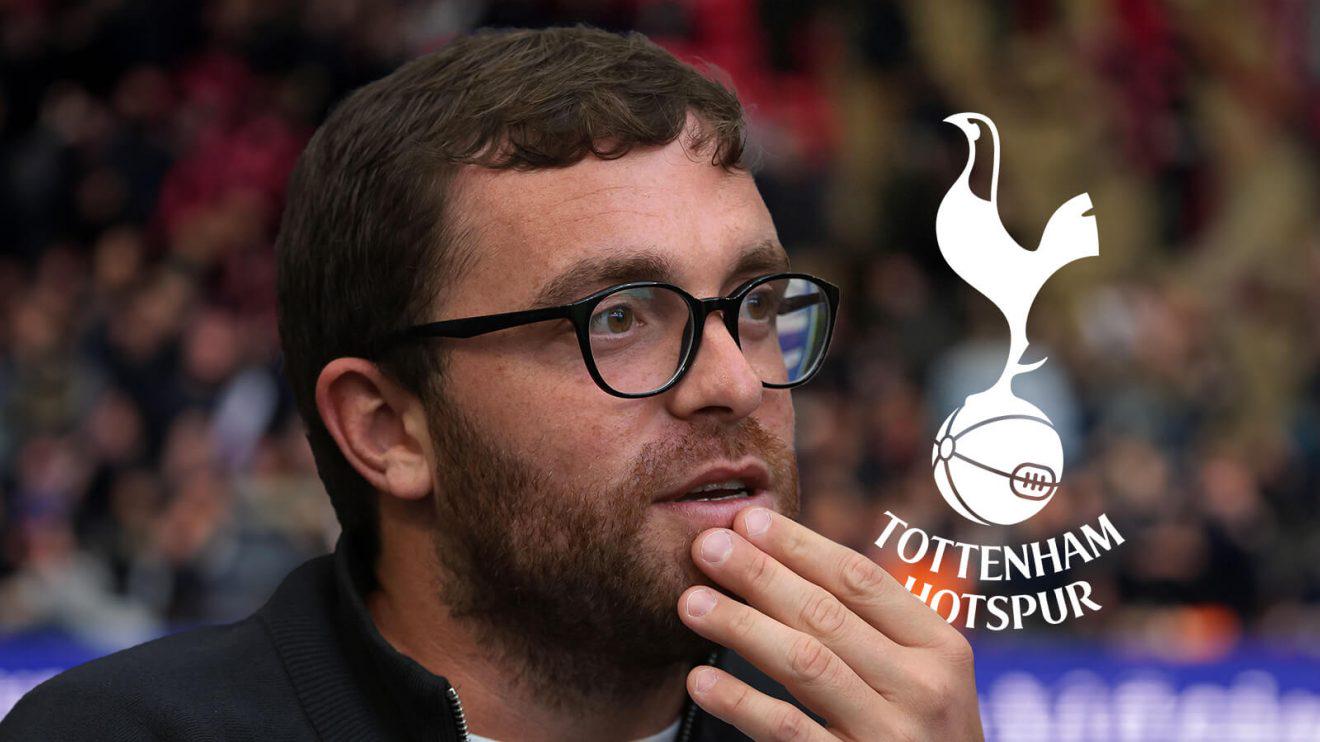













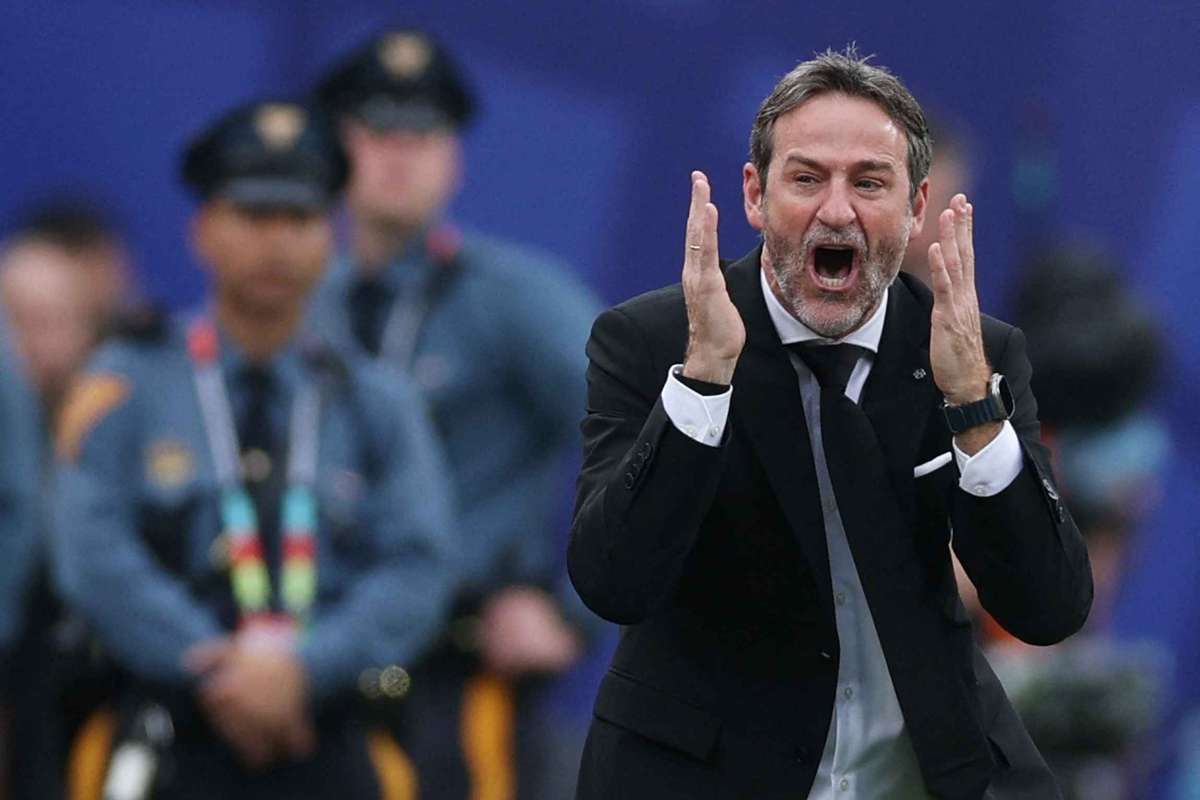
Panama's national team lost 0-2 to England in the final match of the World Cup group stage, confirming three group games without a goal scored and without a point earned. After the match, head coach Thomas Christiansen did not give a clear timeline for staying on or stepping down, but made clear he would seriously consider whether to continue in the role — a stance that shifted the post-elimination focus from the single-match result to the question of his six-year tenure.
Group stage exit trajectory: Three matches, zero goals
Panama's World Cup campaign got off to a rough start. In the first two group matches, the team lost 0-1 to Ghana and Croatia respectively, and by the time they faced England in the final round, their qualification hopes were already gone. Against the group leaders in the last match, Panama showed occasional threat on the counter, but still fell 0-2, finishing the group stage with three defeats and zero goals.
From the level of opposition, the outcome was not entirely surprising. According to on-site FIFA ranking data, England ranked 4th, Croatia 11th, Ghana 74th, and Panama remained at 33rd. All three opponents held clear advantages in overall strength and major-tournament experience; for Panama to take points, they needed to convert limited chances efficiently — something the team failed to do throughout the group stage.
Post-match remarks: Time needed, and talks with family
At the press conference, when asked about his personal future, Christiansen did not give an immediate "stay" or "go" answer. The core of his remarks can be summarized in three points: he needs time to review the full gains and losses of his six years in charge of Panama; he must communicate with various parties, especially his family, who have long borne pressure from his absences; and despite the disappointment of elimination, the team must recover quickly and prepare for upcoming competitions.
This way of framing things fits the common post-tournament “cooling-off period” logic—managers do not announce decisions at an emotional peak, but instead weigh their future against family factors and long-term planning. For the Panama FA and the players, that means weeks of uncertainty over personnel decisions lie ahead.
Tactical Notes: Solid Defending, Attack Fails to Deliver
Christiansen singled out after the match that Panama had been “quite resilient at the back” at this year’s World Cup, but quickly added: “We have to remember who we were up against.” Speaking about the final group game against England, he described the opponents’ pressing as “extremely intense” and the match as “particularly tough.”
From a data standpoint, England displayed the classic control traits of a top side: 67% possession, 17 shots, 6 on target, and 2 goals. In the first half, Panama were able to compress central space, limit England’s build-up through the middle, and funnel them wide—a defensive setup that deserves credit. The problem was that when points were needed, the quality of counter-attacks and finishing could not match the intensity of the games; failing to score in all three group matches directly sealed their elimination.
Six Years in Charge: The Numbers
Since taking charge of Panama, Christiansen has overseen 94 matches, with 45 wins and 27 defeats—a win rate of nearly 48%, a record that carries weight for a smaller football nation. He also stressed after the match that he was “proud” of how his players executed on the pitch, and said that “if we can play at this intensity and tempo every month, the team will keep improving naturally.”
However, the bar at a major tournament differs from qualifiers and friendlies. The World Cup is the hard metric: can you take points, score goals, and deliver tactically when it matters. Three group games without a goal or a point sits at odds with the manager’s view that they “played well”—which is exactly why he said he “needs to analyse everything.”
Christensen said in closing that he had originally hoped to take points at this World Cup but had “failed to achieve that,” which he “regrets.” He also turned the focus to the future: what matters is to “get back into form and prepare for the challenges ahead.”
Whether the head coach ultimately stays or goes, the structural issues facing Panamanian football will not automatically disappear with a single World Cup elimination—how to raise attacking output while maintaining defensive discipline against European and African opponents ranked in the top 15 by FIFA remains the central challenge. If Christensen continues in charge, he will need to turn this group stage’s zero-goal record into clear tactical adjustments; if a new coach is appointed, the successor will face the same problem within a limited talent pool and tournament cycle.
For now, everything remains up in the air. Panama’s World Cup run is over, but the answer on whether the head coach stays or leaves will only become clear after Christensen completes those conversations “with many people, especially family.”