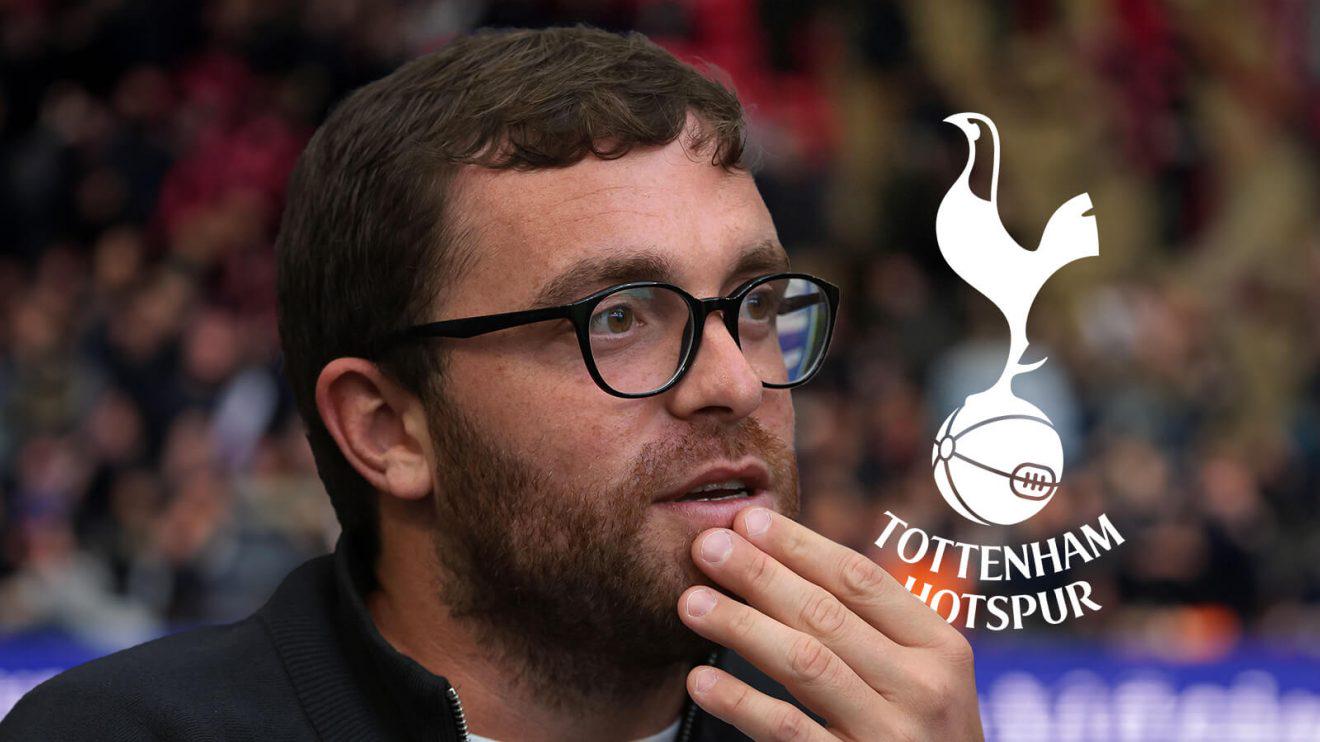







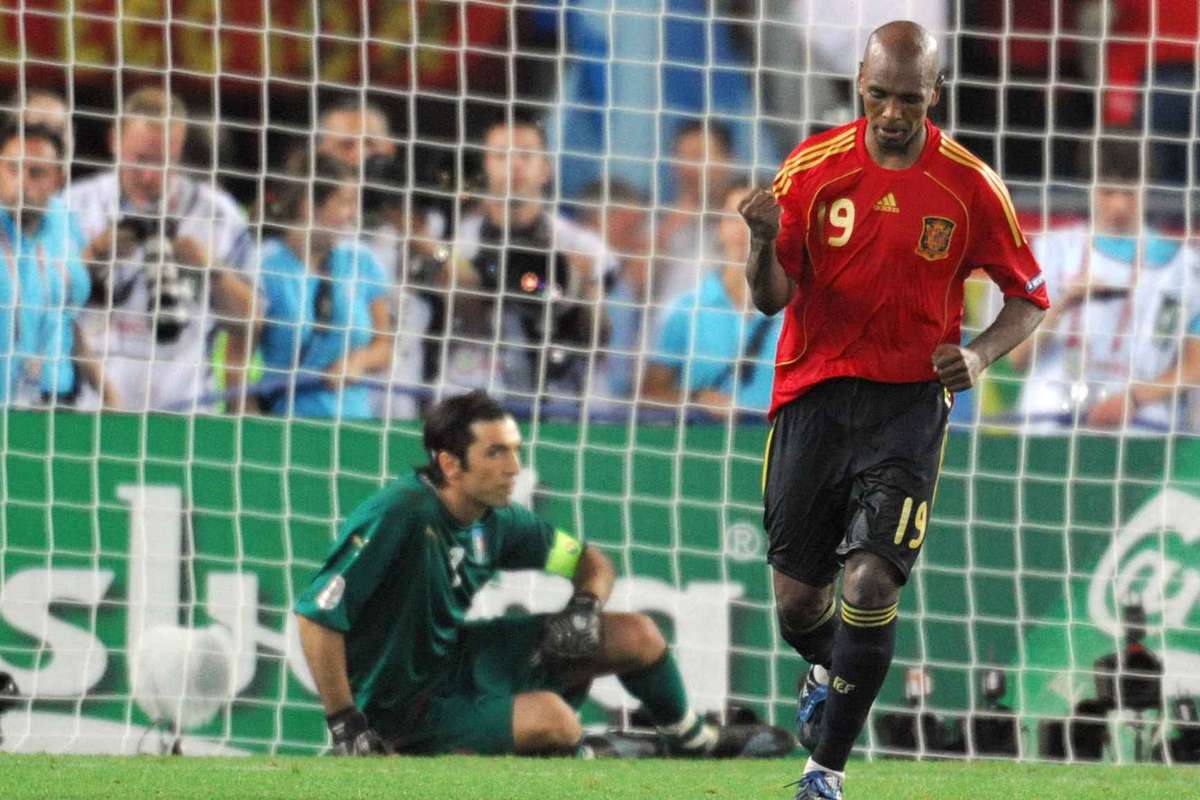
When Marcos Senna talks about the 2026 World Cup, there is none of the polite small talk of a veteran—only genuine anticipation for the game itself. The Brazilian-born midfielder who left his mark on the Spain national team now surveys the global game as an outsider. In his view, this World Cup, jointly hosted by the United States, Canada and Mexico, will be compelling enough, and Spain remain among the favorites to win it all.
The Choice That Began at Corinthians
Senna's football life began with a series of "dare to take the next step" decisions. When he joined Corinthians in 1999, he had only just entered professional football, and soon helped the side win the Brasileirão, the 2000 Club World Cup and the state league title. Though they fell just short of the Copa Libertadores, that spell allowed him to grow quickly from newcomer to winner. In the dressing room were veterans like Rincón, Dida and Marcelinho—defeats were hard to stomach, while victories were lessons in leadership. Senna would later say many times that those two years shaped the way he handles high-pressure environments.
Moving to Europe and the Villarreal Legend
His move to Villarreal in 2002 was the second major turning point of Senna's career. At the time, going to Europe was no easy path for Brazilian players, yet he had treated "playing in Europe" as a dream since boyhood. At the Yellow Submarine, he grew from an outsider into a club legend, and that experience also laid the groundwork for his later spell with Spain—identity, language and tactical reinvention defined a player's ceiling far more than any transfer fee.
Why He Still Backs La Roja
Senna's placement of Spain in the World Cup's top tier is not complicated logic: the team has just proven its championship credentials on the European stage, its possession-based approach is mature, and the squad structure is in its prime. According to information we have, Spain currently ranks second in the FIFA rankings with 1,876.40 points, slipping one spot from the previous update; they have recently produced consecutive 0-0 draws against England, the Czech Republic and others, but the matches were far from empty—in one, they held 66% possession, completed 679 passes at a 90% success rate, with 13 shots and four on target, still embodying their trademark possession-and-press style. A draw does not equal a loss of form; it reads more as a tune-up signal before a major tournament.
What to Watch at the 2026 World Cup
The 2026 World Cup expands to 48 teams, hosted across the United States, Canada and Mexico, with the density of the schedule and the toll of travel amplifying the importance of squad depth. Senna believes what will truly decide the trajectory is not individual star power alone, but who can carry their European championship form into a cross-continental tournament environment. For Spain, midfield control, efficiency in wide transitions, and the ability to break down more physically imposing opponents will be the key tests in the knockout stage.
From a Corinthians youth prospect to a Villarreal legend and now a Spain national team member, Senna's career path itself shows that major-tournament forecasts never rely on paper reputation alone—they hinge on whether a side has completed a second psychological and tactical upgrade. If Spain can turn their recent possession dominance into scoring efficiency, they are fully capable of finding their own championship rhythm in North America. For fans, what merits close attention in the coming friendly matches is La Roja's starting rotation and finishing rate in front of goal—that will reveal their true title credentials far more than any verbal prediction.