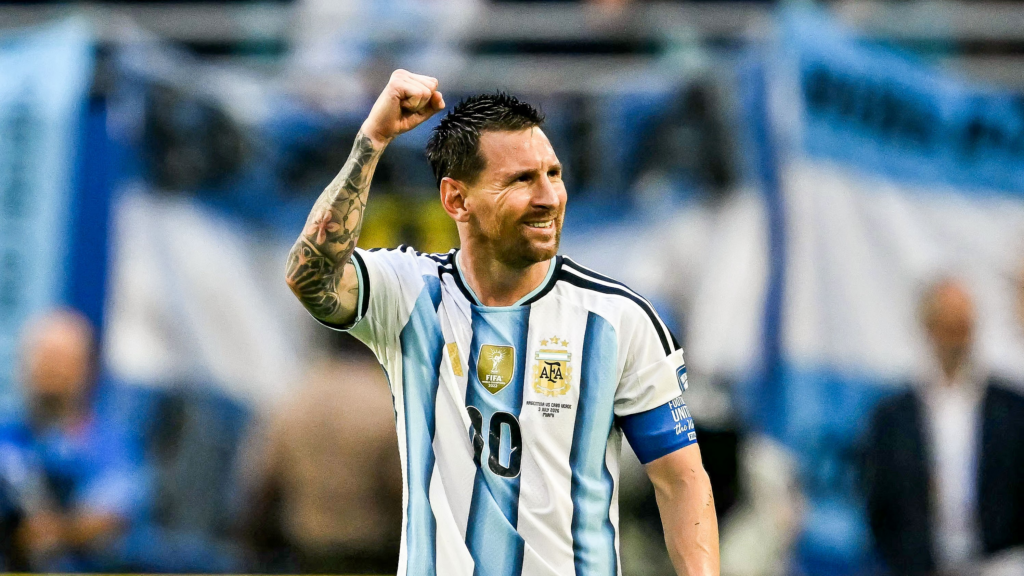


















Saturday night's final group-stage match will decide whether England can top Group L at the World Cup. Before this round, Tuchel's side were level on four points with Ghana, with Croatia one point behind on three and Panama propping up the table on zero. In the FIFA rankings, England are fourth, Croatia eleventh, Panama thirty-third and Ghana seventy-fourth—the gap on paper is clear, but against Ghana last time out England lacked creativity and struggled for a long stretch to break down a compact defence, adding uncertainty to the aim of "win and take top spot".
Group picture: the numbers look good, but the path hasn't been easy
From the points structure, a win over Panama would guarantee first place in the group; the logic is simple, but carrying it out may not be. The issues exposed against Ghana were not about shot volume itself, but the efficiency of the link from midfield and defence into the final third—they could win the ball back, yet struggled to move it consistently into dangerous areas. That fits England's recent run, where they have often been locked in stalemates: against Croatia, Spain and others, the team had to find a way through in tight spaces.
Ferdinand's midfield verdict: strong in recovery, weak in progression
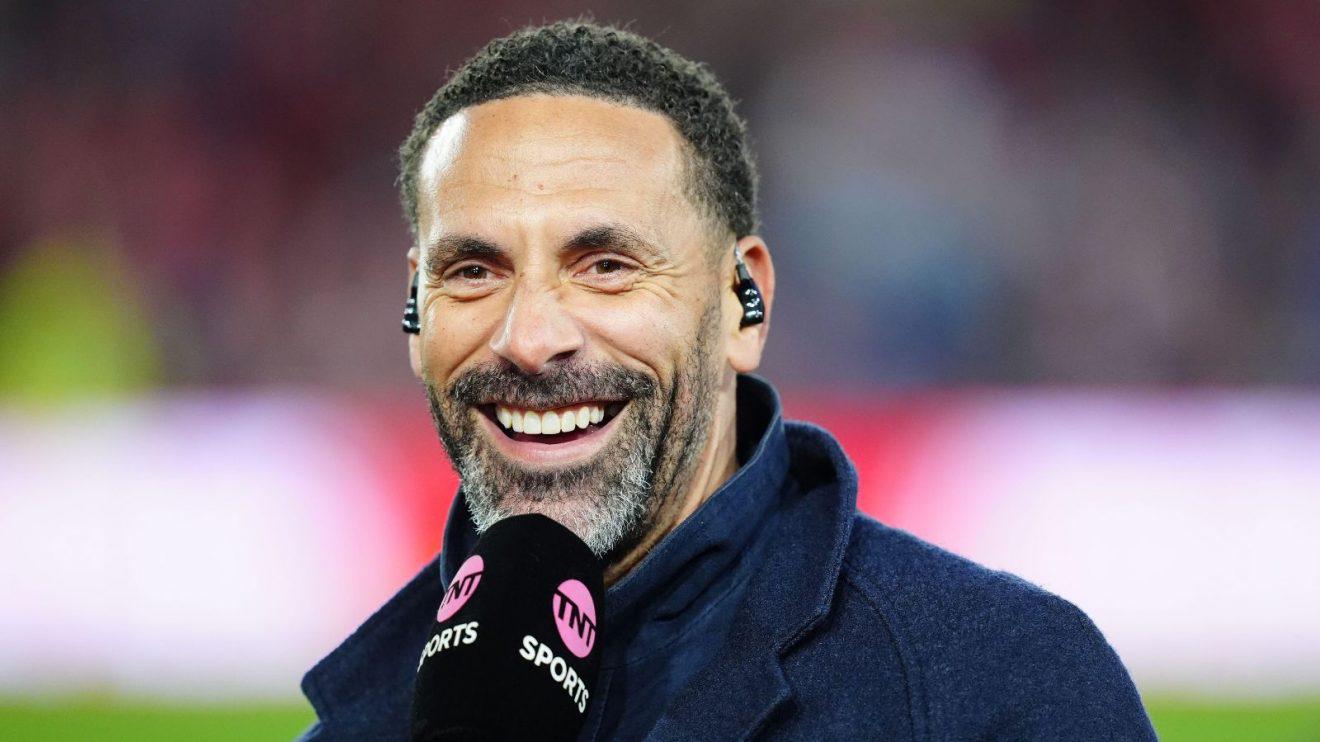
Rio Ferdinand said plainly on his YouTube channel that if England keep pairing Elliott Anderson with Declan Rice in midfield, they will "struggle to truly control the game and find it hard to complete quick vertical transitions." He praised both for winning the ball, intercepting and counter-pressing, and singled out Anderson for shining in creating transition chances; but he added that building from the back, penetrating line by line and delivering precisely to the front line's key zones is not their primary strength.
This judgment is essentially about distinguishing two midfield roles: the defensive pivot and the progressive metronome. Rice excels at positioning and protection, while Anderson is stronger at launching attacks quickly after winning the ball back; when opponents sit deep with limited high pressing, this pairing is steady enough. But when a match requires actively breaking down compact defenses and making vertical progress under intense pressure, the absence of a player who can receive under pressure first, then dribble or play penetrating through balls leaves the attack stuck in a cycle of “possession without threat.”
Why Mainoo: A Structural Edge on Press-Breaking Metrics
Ferdinand’s answer is to deploy Kobbie Mainoo. He believes that, at least during the group stage, Mainoo’s ability to “escape pressure first, then pass or dribble through the line” is clearly superior to Rice and Anderson—precisely the area where the latter two are relatively weak in their match samples.
From a tactical standpoint, Mainoo adds not another defensive worker but an additional vertical channel from the center circle to the box. When opponents pack the middle and restrict England’s wide players cutting inside, a midfielder who can turn, shield the ball, and slip in through balls in tight spaces often changes the attacking rhythm more effectively than simply adding another body for recovery. Ferdinand even said he would choose Rice as the deepest holding midfielder before the World Cup, with Mainoo alongside him tasked with linking play and driving progression.
Historical Reference: The Peak Sample from Euro 2024
Ferdinand also cited tournament history as evidence. He pointed out that Mainoo’s finest run on the international stage came at Euro 2024—when he was widely regarded as one of England’s best players, with some even comparing him to Clarence Seedorf. Such comparisons may not translate directly into data models, but they show that in the high-intensity, fast-paced environment of major tournaments, Mainoo has already proven he can carry the ball forward and make decisions at critical moments.
For Thomas Tuchel, the final match against Panama is both an opportunity to secure top spot and a proving ground for reshaping the midfield. Panama sits last in the group in both ranking and points, so in theory the pressure is lower than in earlier games; but if Tuchel wants to avoid repeating the attacking sluggishness from the match against Ghana, choosing between Rice and Anderson and bringing Mainoo into the starting lineup may be the single adjustment Ferdinand sees as best fitting the team’s tactical needs.