
Same Roots, Different Flags: Which Matches Are Worth Chasing?
The 2026 World Cup will be staged simultaneously across the United States, Canada, and Mexico, with all three host nations qualifying automatically. For everyday fans, "brothers wearing different national team jerseys" is more than just gossip — it directly affects which matches you pick, how you plan your schedule, and even how secondary ticket prices move. This site breaks down three of the most closely watched cases and offers practical viewing reminders.
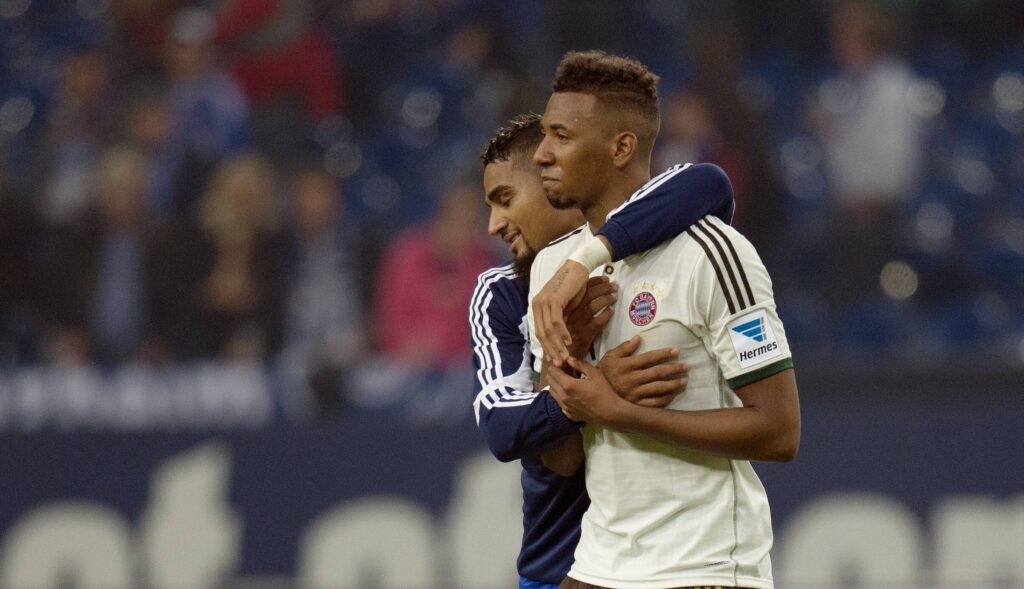
Boateng Brothers: The First "Brother vs. Brother" Clash in World Cup History
Kevin-Prince Boateng represented Ghana, scoring once in 464 minutes across five matches in 2010 as the team reached the quarter-finals; he played another two matches for 83 minutes in 2014. His older brother Jérôme Boateng stayed with Germany, facing his younger brother twice in group-stage matches at both the 2010 and 2014 tournaments — becoming the first pair of brothers in World Cup history to face off while representing different national teams. In 2014, he played seven matches for 645 minutes with one assist as Germany won the title; across three tournaments his playing time held steady, making them the classic template for "brothers under different flags." Germany are currently ranked 10th by FIFA, and in their opening match of this tournament they tallied seven goals on 27 shots with 65% possession — their attacking firepower remains elite.
Williams Brothers: Ghana Yet to Play Their Opener, Spain Already Firing
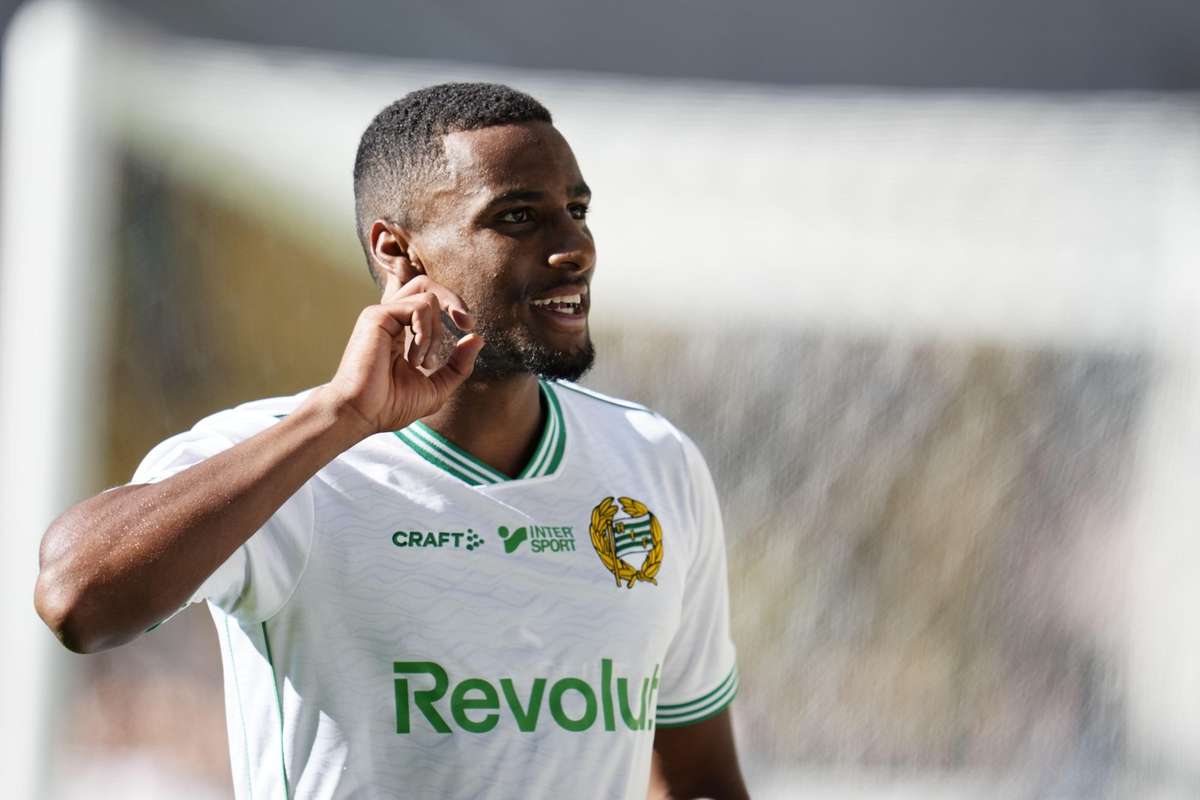
Inaki Williams switched allegiance to Ghana in 2022, started all three group-stage matches, and registered one assist in 252 minutes. As of this writing, Ghana’s 2026 opener had yet to kick off; ranked 74th by FIFA and drawing frequently in recent matches, he still has new records to chase. Younger brother Nico Williams represents Spain, making four appearances for 145 minutes on debut in 2022; he remains a strong squad contender today. Spain currently sit second in the FIFA rankings, having just opened this tournament with a convincing win—a sharp contrast to Ghana’s recent form. If the schedule allows the brothers to share the spotlight, tickets for such fixtures are usually tighter, and cross-time-zone viewing calls for planning kickoff times in advance.
The Khedira Brothers: A Championship Benchmark and Tunisia’s New Path
Sami Khedira played 14 times across three World Cups: seven matches and 609 minutes with one goal in 2010, five games and 376 minutes with one goal and one assist as Germany lifted the trophy in 2014, and two more appearances in 2018—a benchmark profile for midfielders. Younger brother Rani Khedira chose Tunisia, continuing the “brothers, different countries” storyline. Tunisia have climbed to 44th in the FIFA rankings, but lost their tournament opener with one goal on six shots—a far cry from Germany’s seven goals on 27 attempts. Fans tracking Tunisia can compare both teams’ trajectories in the same round window without forcing a single-match brother showdown.
Matchday Planning: Three Questions to Answer First
First, heritage and development pathways determine national team allegiance, and group-stage scheduling clashes are hardly a rare occurrence. Second, the three-host setup for 2026 means major differences in transport and accommodation costs; siblings may be spread across different cities and kickoff slots, so joint ticket planning needs a buffer. Third, head-to-head matchups often come down to just 90 minutes; high-demand fixtures see premiums rise fast; if your budget is tight, lock in each side's key group-stage rounds first, then chase knockout ties as qualification unfolds. The paths taken by Iñaki and Nico, and Kevin-Prince and Jérôme, show that the story of brothers under different flags is more worthwhile to see live once than to make up for with highlights later.