
















The 2026 FIFA World Cup will be the first edition co-hosted by Mexico, Canada, and the United States, with the schedule spanning 16 host cities and 104 matches in all. If you want to watch live without letting flights, hotels, and parking wreck your budget, work accommodation location, long-haul airfare, and host-city public transit at the same time.
Spend where it counts
Unlike past tournaments, this North American footprint is huge, and fans will often bounce between multiple cities. Sticking to downtown or a walk-to-stadium radius can send peak-season rates soaring fast; a more realistic move is to split landmark-hunting from where you sleep, and use rail and shuttles to trade time for cash.
Suburban bases, rail into town
Many U.S. host cities have transit that reaches into the suburbs. Fans heading to Seattle’s Lumen Field can book hotels in commuter towns such as Des Moines, SeaTac, or Federal Way, then ride the regional Link light rail—a roughly five-minute walk from the station gets you to the stadium gates, and under the same conditions, stays like these are often far cheaper than downtown.
The same playbook works for San Francisco’s Levi’s Stadium and Atlanta’s Mercedes-Benz Stadium: Atlanta’s MARTA can drop fans at stations within walking distance of the ground, while San Francisco’s BART gets you close enough that the last few kilometers can be covered by ride-hailing, e-bike rentals, or pre-booked shuttles.
For Los Angeles and SoFi Stadium, major match windows include free shuttles from the LAX/Metro Transfer Center (MTC) toward the venue; connecting buses from nearby Inglewood and Hawthorne can also reach the MTC first and transfer—handy for fans who want to avoid steep parking fees.
Flights and parking: two hidden budget killers
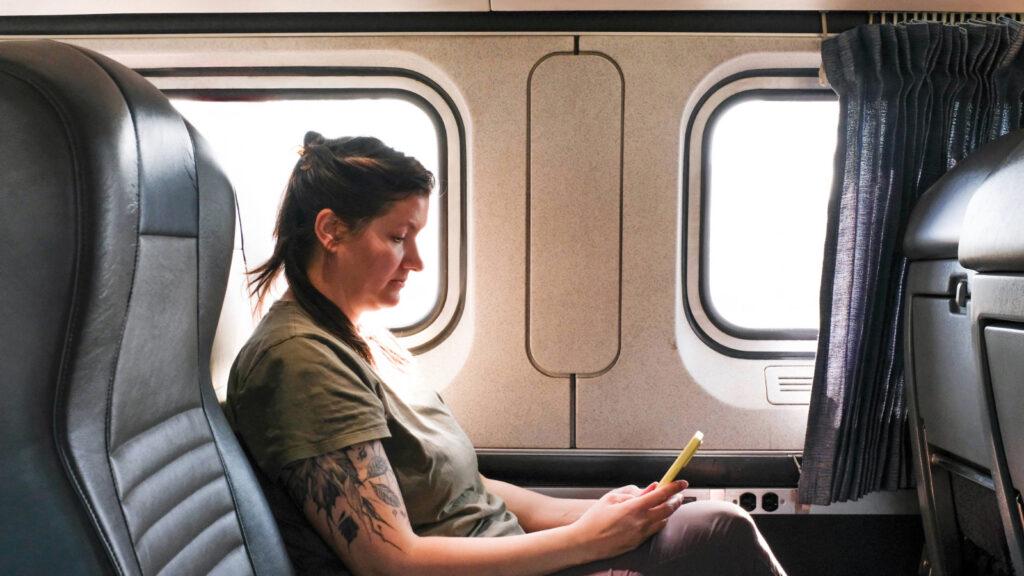
If you're on a tight budget for intercontinental or cross-state travel, you can accept an "uncomfortable but cheap" option: flights with very long overnight layovers often cost noticeably less than nonstops. Check baggage and second security-screening rules in advance so savings on the fare don't get eaten by extra fees.
Match-day parking is another cost that's easy to underestimate. According to source information, most official FIFA parking passes average roughly $75 to $175 per vehicle per day; some matches and venues have hit peaks around $600. Factor in rental cars, fuel, and city traffic, and public transit is usually the better value.
Map out transit before you go
Whether or not you're using a "satellite city" lodging strategy, before buying tickets it's worth checking the host city's official bus, light rail, and match-day shuttle information. Commutes in North American host cities can run hours; misread match-day schedules or last-train times and any hotel savings may not cover the cost of getting back late at night.
How to read this money-saving checklist
From a fan experience standpoint, the "expense" of the 2026 World Cup isn't just tickets—it's the mobility cost of a multi-city North American tournament. Pushing lodging back to rail-accessible commuter zones, using shuttles for the last mile, and using public transit to offset parking premiums is the most replicable path in the current information.
For fans planning to catch several games, the next step after tickets go on sale is to lock in your city combinations quickly, then price each city separately: whether flights work better with connections, whether hotels sit near end-of-line metro stops, and whether you can skip parking passes on match days. Keep fixed costs down, and 104 matches won't turn into a trip where you only pay—and never see the ball.