

















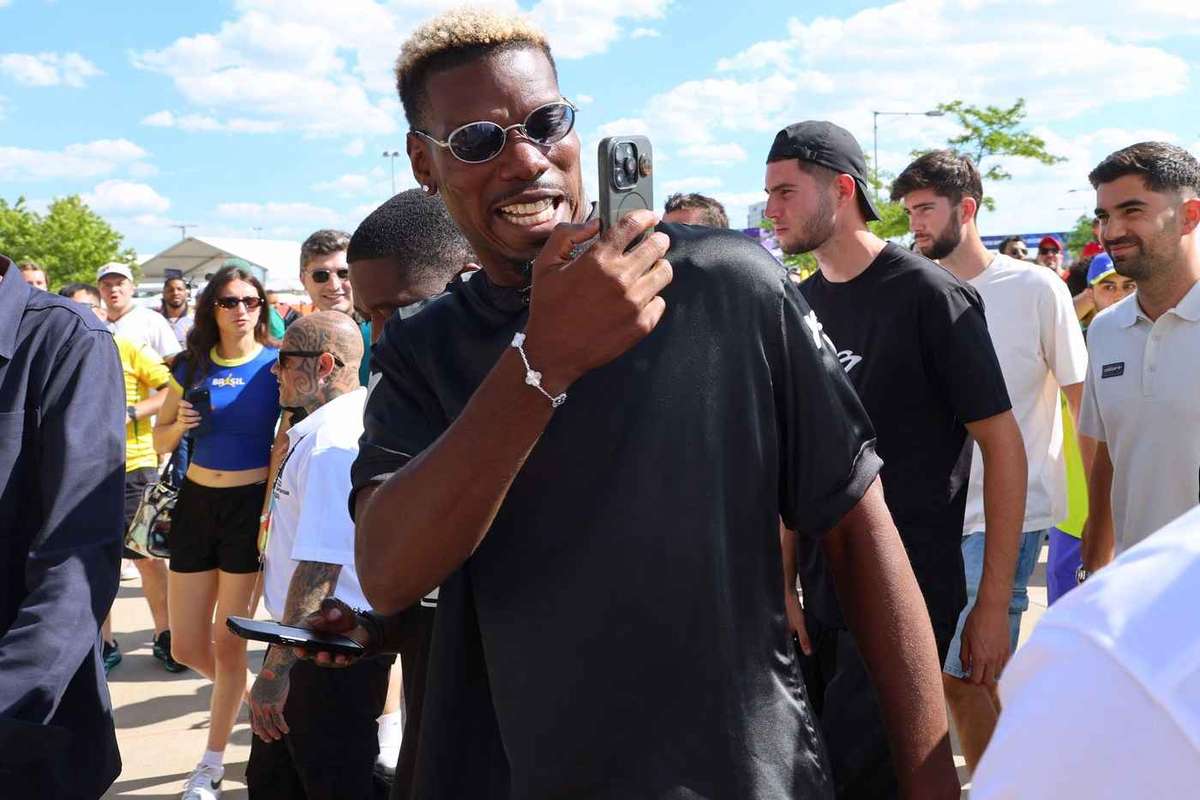
When Paul Pogba finally walked through the doors at Monaco, the moment carried more weight than a routine transfer announcement. The former France international was returning to competitive football after the end of a doping suspension, and the principality club saw in him a name that could sharpen a midfield built for ambition. What followed, however, was a season that neither side could dress up as a success.
Across all competitions, Pogba managed only six appearances. That number sits at the heart of a conversation Monaco can no longer avoid. For a player whose career has been defined by bursts of brilliance on the biggest stages, the gap between expectation and reality at Stade Louis-II has been impossible to ignore.
Monaco CEO Thiago Scuro did not try to soften that picture. Speaking openly about the situation, he described it as complicated while stressing that the club holds genuine respect for Pogba as a person and as a professional.
"It is a complicated topic because we have a lot of respect for Paul, for the person he is," Scuro said. "Since he arrived, he has been very positive."
That tone matters. Monaco are not framing this as a falling-out or a public blame game. Scuro's language points to a club that still values the human side of the arrangement even as it confronts disappointing sporting returns. Yet he was equally clear that the football project built around Pogba's arrival did not deliver what the club had imagined when the deal was struck in the summer.
"It is also true that, last year, the project didn't work well because when we started with him in the summer, the expectations were very different to what happened," he added.
Read plainly, that is an admission from the top of the organization. Monaco invested hope, planning, and salary structure into a marquee return, and the on-field contribution never came close to matching the noise around it. Six outings across an entire campaign is not the footprint of a player who has reshaped a team's rhythm, and Scuro's comments make clear the club understands that gap.
Where the story goes from here is less about yesterday's headlines and more about what happens in the training ground corridors over the next weeks. Scuro emphasized patience tied to observable progress rather than snap judgments.
"I think that we have to be fair with him, follow his preparation every week, how he will progress physically and technically and then it will be the manager's decision," he said.
That line places the next chapter in the hands of match-day authority. Monaco are not closing the book from the executive office. They are saying Pogba deserves a fair runway to show whether fitness, sharpness, and confidence can align again. But they are also making it explicit that playing time will be earned on merit, not reputation.
The financial backdrop sharpens the stakes. Monaco are working to reduce their wage bill, and a high-profile contract that has not yet translated into consistent performances naturally draws scrutiny. Pogba's future at the club remains uncertain, not because anyone is eager to manufacture drama, but because sporting output and squad economics rarely move in opposite directions for long.
Into that uncertain space steps Filipe Luís, the club's new manager. Where Scuro spoke from the boardroom, Luís brings the voice of the dressing room and the training pitch. He has already described Pogba as a "special player," a phrase that carries both admiration and responsibility. Special players are often the ones managers believe can still unlock a season, but they are also the ones whose minutes become the most debated when results and budgets tighten.
Luís said he plans discussions with Pogba in the coming days. Those conversations will likely cover more than tactical fit. A player returning from suspension and then fighting for rhythm needs clarity on role, trust, and the physical pathway back to regular football. For Monaco, the question is whether Pogba can become a weekly contributor in a squad being reshaped under a new coaching voice.
For Pogba himself, the situation is familiar in one sense and unfamiliar in another. He has spent years living under the weight of global attention, yet this chapter feels quieter and more procedural. There is no single spectacular moment to point to from last season, only a small collection of appearances and a club executive willing to say, in public, that the project did not work as planned.
That honesty may be the most useful starting point for everyone involved. Monaco are not pretending the first year succeeded. They are not rushing to declare the relationship finished either. Instead, they are setting out a narrow path: respect the person, measure the progress week by week, and let the manager decide what the team needs on the pitch.
The next few days will tell us whether Filipe Luís sees the same special qualities Scuro's comments imply are still worth nurturing. Until then, Paul Pogba's Monaco story remains open, defined so far by six appearances, one candid CEO assessment, and a club trying to balance ambition with the harder realities of cost, form, and time.