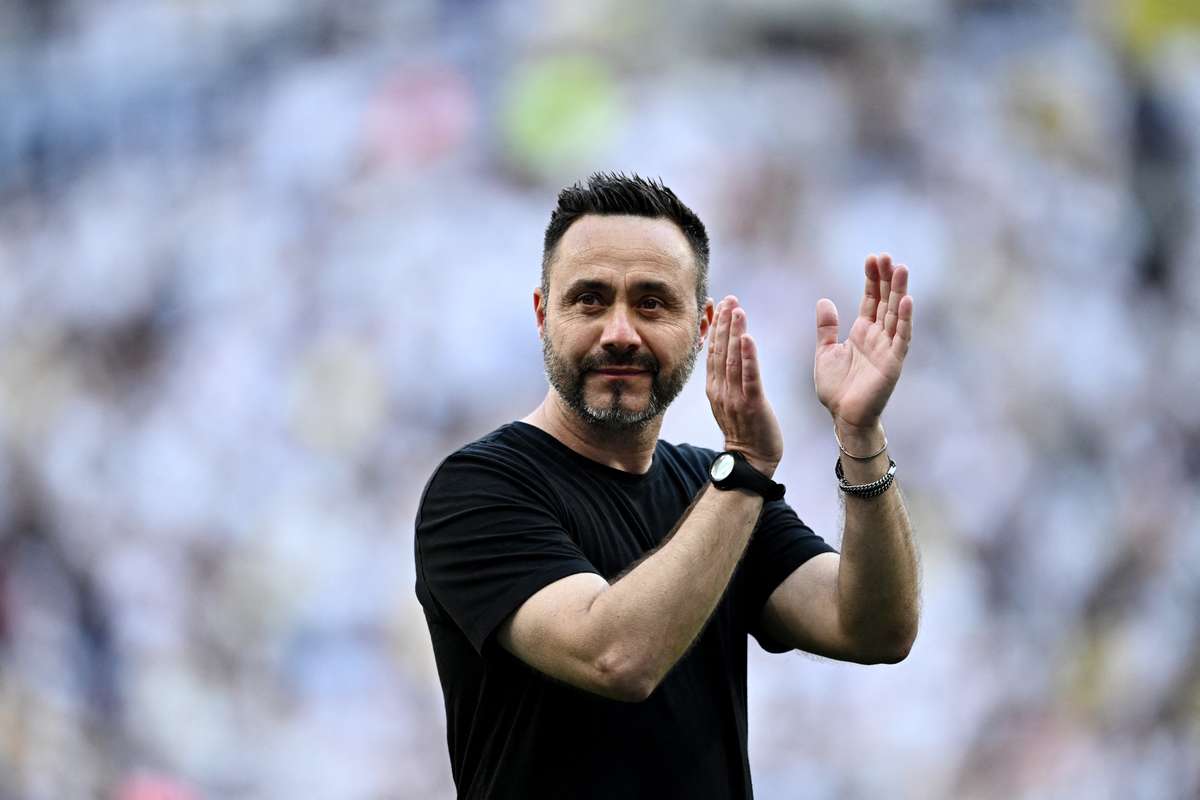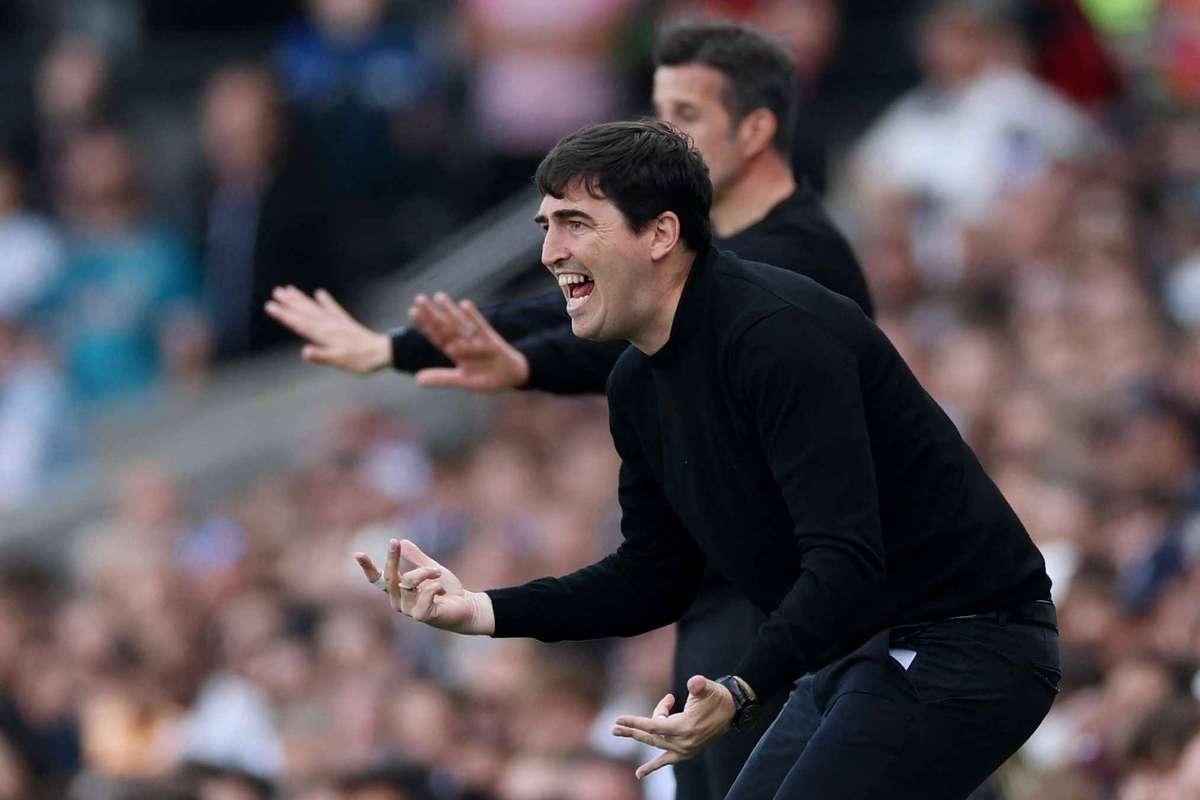













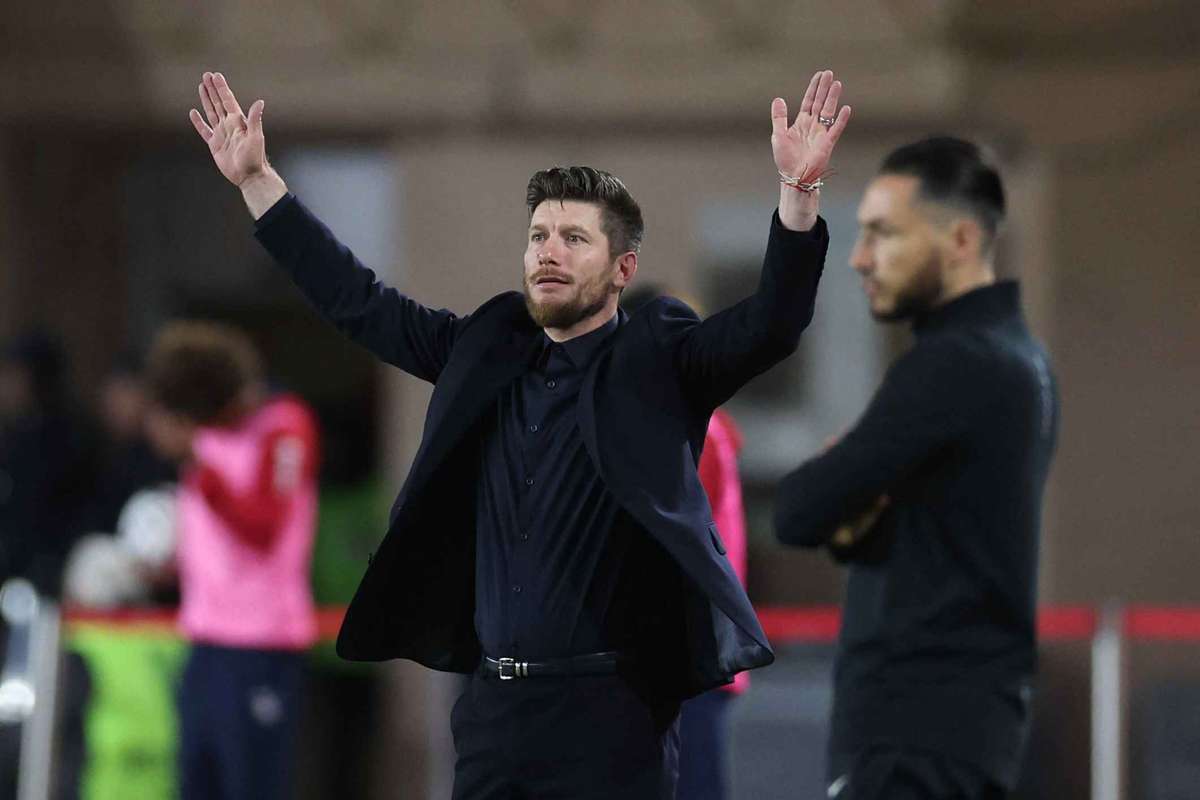
Monaco issued an official statement on Monday confirming that the club will part ways with head coach Pocognoli at the end of the 2025-26 season. The former Belgium international took charge last October from Union Saint-Gilloise, replacing the departed Adi Hütter, but the team ultimately failed to qualify for next season's Champions League, prompting the club to make a managerial change at this juncture.
Seventh-place finish: 10-match unbeaten run cannot mask slide in the standings
When Pocognoli took over, Monaco sat fifth in Ligue 1 and went on a 10-match unbeaten run at one stage, but they were unable to hold their push for a top-four finish in the closing stages and ultimately finished seventh. The club's statement thanked him and his coaching staff "for giving everything to Monaco" and wished them well in the future—restrained in tone, yet the outcome spoke to management's verdict on the season: missing out on Champions League qualification left the head coach with little room to stay.
From a points trajectory perspective, Monaco did not lack resilience in phases; the problem was falling short at critical moments. After a 2-1 away win in matchday 32, the team still held the initiative to push into the upper reaches of the table; the next two league rounds delivered back-to-back blows—a 0-1 home defeat on matchday 33 and a heartbreaking 4-5 away loss on matchday 34—with late dropped points directly burying their top-four hopes. This pattern of "holding firm early but faltering at the decisive moment" was closely tied to the physical toll of a congested end-of-season schedule across two competitions.
Champions League playoff exit: fixture congestion the hidden killer
In European competition, Pocognoli led the side into the Champions League knockout play-offs, only to be eliminated in that round by eventual champions Paris Saint-Germain. Schedule data on site shows the club were still locked in European action in early May—a 1-1 draw in the second leg of the play-offs on 7 May, then another 1-1 at the same stage on 31 May—while Ligue 1 matchdays 32 to 34 were packed into 3–18 May. The end of the league run and the European play-offs overlapped almost without a break, leaving almost no room to rotate.
For a side built on a high press and quick transitions, this back-to-back rhythm of “fighting for the top four in the league plus do-or-die European ties” tests recovery management and squad rotation more than anything. Pocognoli had steadied the ship with an unbeaten run in mid-season, but from May onward injuries piled up, key players started game after game, and thin squad depth was exposed—a 5-4 open defeat on the final day was both tactical disarray in an end-to-end game and a drop in defensive focus when legs were gone.
The fitness ledger behind the managerial change
From Jesse’s perspective, this dismissal cannot be summed up as simply “results below standard.” Monaco’s actual workload late in the season meant the coach could hardly use the same core XI to win crucial league points and navigate the European play-offs at once. Ten games unbeaten showed the system had substance, but seventh place showed that in the busiest spell, rotation policy, recovery cycles, and mental fatigue management never closed the loop.
Compared with fifth when Pocognoli took over in October, finishing seventh looks like a small slide, yet in the Ligue 1 race for the top four it meant an entire Champions League place. The club’s decision to part ways as soon as the season ended was also about buying time to rebuild for next term—the new head coach must plan pre-season fitness and rotation from scratch to avoid repeating the pattern of “strong in the first half, legs gone at the end.”
What to watch next: the successor and rebuilding fixture management
Monaco have yet to name a successor. For potential candidates, beyond tactical fit, the more immediate pressure comes from the intensity of Ligue 1 and the ability to handle a dual track—domestic league plus European football if they return. The step from Union Saint-Gilloise to Monaco has already shown Pocognoli has the presence to lead a side, but at the Stade Louis II, the demands on squad depth and fixture management are higher.
Three short-term watchpoints: whether the club will strengthen rotation options, how pre-season training is used to manage physical load, and whether the new head coach can set clear personnel priorities for “key league fixtures vs European ties” before the season starts. For supporters, this change is Monaco’s immediate response to finishing seventh and missing the Champions League; for the board, the real issue is how to keep the squad competing for a top-four place through the final round when the schedule is packed at the end of the season.