

















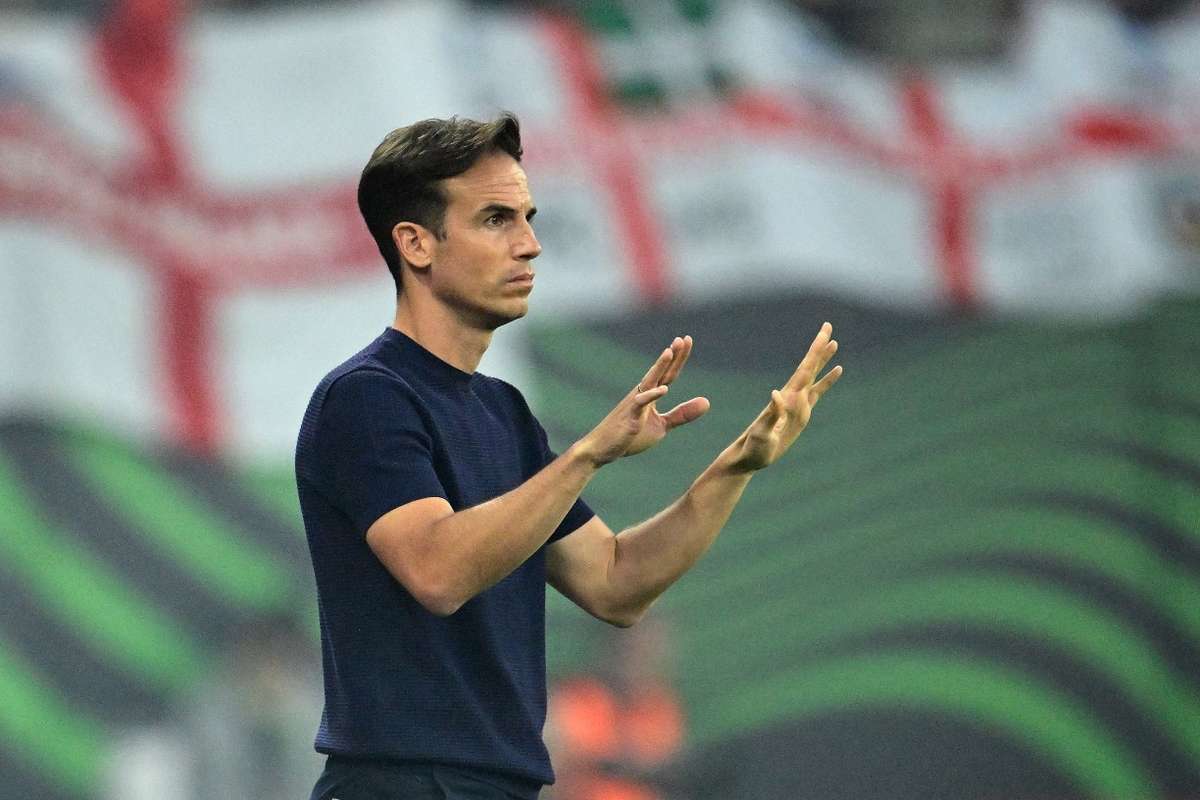
Villarreal CF have officially announced that the club have reached an agreement with Iñigo Pérez, the young Spanish coach who will take charge as first-team head coach on a contract until June 2029. This is a key move for Villarreal in their managerial change ahead of the new season, and it also means the coach who set records at Rayo Vallecano is about to bring his tactical philosophy to the Valencia region.
Presentation Plans: Media Event at Estadio de la Cerámica
According to the club announcement, Pérez will be officially presented at 6:30 p.m. local time on Tuesday, June 2, at Club 1923 inside Estadio de la Cerámica. The event is for media only and will be streamed live on Villarreal's official social media channels. Estadio de la Cerámica has a capacity of around 24,500 and has long been the Yellow Submarine's home fortress; choosing Club 1923, a space steeped in club history, to introduce the new head coach rather than opening directly to supporters suggests this appointment is more geared toward an official announcement and media communication process. That also fits the common operational rhythm La Liga clubs follow at managerial transition points—securing official backing first, then gradually building public familiarity through training sessions, pre-season and the transfer window.
From Vallecas to Castellón: Pérez's Managerial Career
Inigo Perez Soto was born on 18 January 1988 in Pamplona, the capital of Navarre. During his playing career, he represented Athletic Club, Huesca, Mallorca, Numancia and Osasuna, retiring at the latter in 2022. His coaching career also began at Rayo Vallecano: he first served as assistant to Andoni Iraola, and after Iraola moved to England, Perez was unable to join him due to administrative paperwork issues. He subsequently took over as Rayo Vallecano's first-team head coach in February 2024, replacing Francisco Rodriguez.
During his time in charge in La Liga, Perez led the team to the 2025/26 Conference League final and, in the 2024/25 season, helped Rayo Vallecano match the club's best-ever top-flight finish — eighth place. For a Madrid side whose home ground, Estadio de Vallecas, holds only around 15,500 and has long operated with a "small-club mindset", that is no mean feat. Perez was therefore seen by Villarreal as someone who had "proven he can manage a team under high pressure".
Fixture congestion and the fitness ledger: the reality facing a new head coach
From a fixture resumption and rotation management standpoint, Pérez is taking over at a demanding moment. Villarreal had just finished the closing stages of the 2025/26 La Liga season in impressive form—according to in-house data, the club sealed a commanding 5-1 home win on matchday 38, with single-game shot totals reaching 25 and 10 on target in the run-in, 68% possession and a 92% pass completion rate, showcasing a style that combined high pressing with possession-based transitions. By contrast, Rayo Vallecano recently played out a 0-0 draw in the late stages of the league, and in away defeats managed just six shots with one on target, while facing greater foul and yellow-card pressure—evidence that during Pérez’s previous spell, the side relied more on organizational resilience and set-piece efficiency than sustained high-possession football.
That suggests what Pérez is likely bringing to Villarreal is not a copy-and-paste Vallecas template, but rather how to manage fitness allocation amid limited rotation and a congested schedule on a higher-resourced platform. If Villarreal continue to compete on two or even multiple fronts in the new season, the new manager’s first test will be how to maintain attacking firepower in the closing stages while preventing core players from suffering burnout-style exhaustion in pre-season and the early part of the campaign. From a player background perspective, Pérez himself was a professional midfielder and should have an intuitive understanding of training load and recovery cycles—a key factor in the club’s decision to offer him a three-year contract.
Managerial Change Impact: Tactical Variables from Eighth Place to Higher Ambitions
Villarreal’s appointment of Pérez follows clear logic: the club needed a domestic coach who has proven himself in La Liga and possesses European experience. His Europa Conference League final run shows he can fine-tune details in knockout football; an eighth-place league finish proves he can get the most out of limited resources. For a Villarreal side targeting stable European qualification, that is more pragmatic than chasing a big-name manager effect.
From a tactical standpoint, Pérez emphasized compact defending and quick transitions at Rayo Vallecano, while Villarreal’s 5-1 final-day performance reflected higher possession and more frequent high pressing. The new head coach will need to complete a “philosophical graft” as quickly as possible in preseason training: preserve Villarreal’s existing attacking framework while injecting the match resilience and set-piece discipline he honed at Vallecas. If the graft succeeds, Villarreal could improve their stability against mid-to-lower-table sides under more scientific fitness management—often the hidden dividing line in the race for European places.
What to Watch Next: Three Storylines After the Unveiling
The media presentation at 18:30 on June 2 will be Pérez’s first public outline of his tactical and squad plans as Villarreal head coach. Fans and the transfer market will then focus on three questions: first, whether the existing attacking core suits his transition-based football; second, whether summer signings will target “greater squad depth” rather than simply stacking star names; third, if the early-season schedule is congested, whether Pérez will continue the relatively cautious rotation approach he used at Rayo Vallecano.
The contract runs until June 2029, giving both club and coach mutual patience. For Pérez personally, this is a step up from “taking a smaller club to its ceiling” to “sustained output on a bigger stage”; for Villarreal, it means continuing to write their European story at the Estadio de la Cerámica while backing a young coach who truly understands the rhythm of La Liga and has just been tempered by European competition.