

















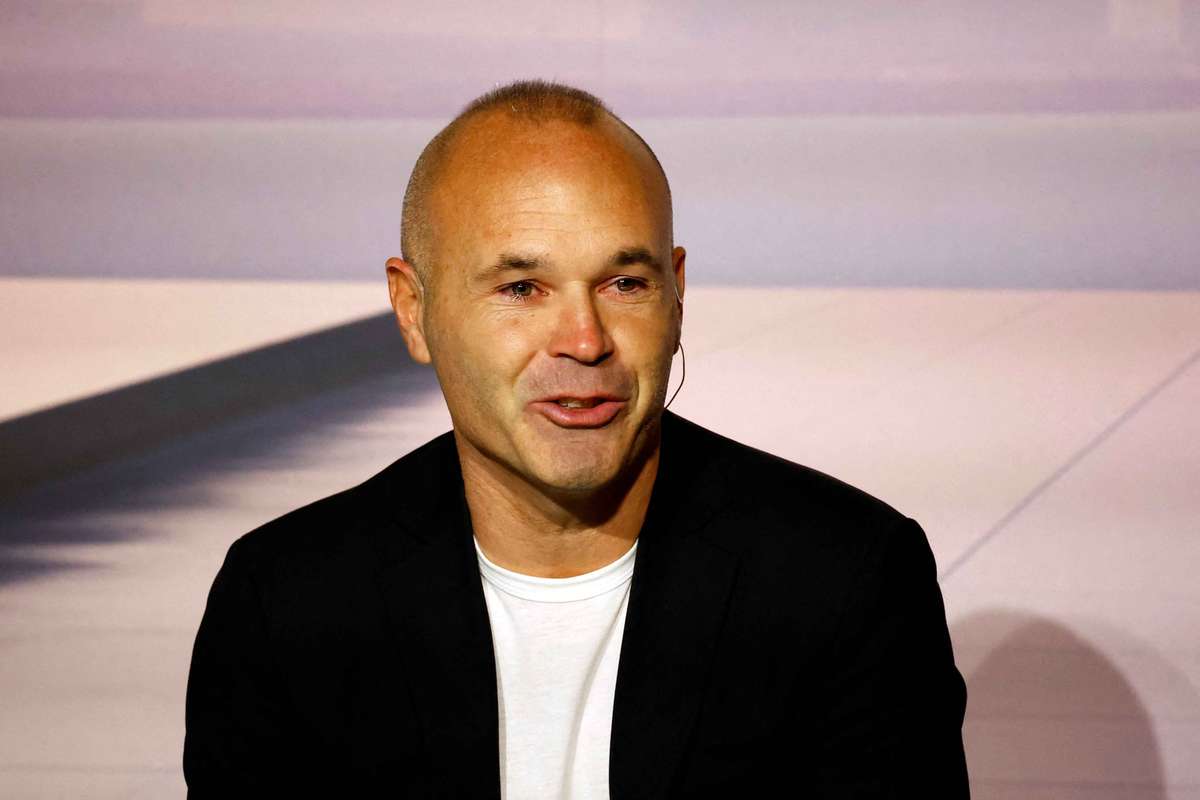
At 42, Andrés Iniesta confirmed via an official Gulf FC statement on Monday that he will launch his managerial career as head coach. The scorer of the winning goal in the 2010 World Cup final and a decorated Champions League midfielder, he has earned his UEFA A coaching licence and is working toward the Pro Licence, while choosing a second-tier club in the UAE’s top-flight league system as his starting point.
From Camp Nou to Abu Dhabi: A champion midfielder’s new chapter
As a player, Iniesta was the heartbeat of Spain and Barcelona’s golden midfield. From the late 2000s into the early 2010s, both teams stacked up major honours, while his extra-time strike in the 116th minute of the 2010 World Cup final rewrote Spanish football history. Site data show Spain currently ranked second in the FIFA standings on 1876.40 points, down one place from the previous edition—the national team remain among the elite, and their former linchpin has returned to the front line of the game in a different guise.
After hanging up his boots in 2024, Iniesta's final stop as a player was Emirates Club in the UAE. From player to coach, he did not leave this league ecosystem behind; instead, he naturally took the reins at Gulf United. For a midfield maestro renowned for possession football and reading the game, this "transition in place" path is more pragmatic than parachuting into a top European league, and better aligns with his stated intention to "start from learning."
By the Numbers: What Kind of Stage Is Gulf United?
Gulf United compete in the UAE First Division League, the second tier of the UAE football pyramid. Their home ground is the 321 Sports Stadium in Abu Dhabi, with a capacity of 2,500; by comparison, Emirates Club's Emirates Club Stadium is in Ras Al Khaimah, with a capacity of 4,830 — neither venue is particularly large, yet both fit a developmental, growth-oriented coaching environment.
Using Barcelona's single-match numbers from recent seasons as a benchmark: in one game Barça produced 26 shots, 10 on target, 82% possession, 761 passes and a 92% completion rate; in another, 57% possession, 12 shots and only three on target. Efficient attacking play often rests on the chain of turning possession into threat—and that was the hallmark of Iniesta's playing career. The tempo, physical battle and margin for error differ in the second tier, but if he can transplant that efficiency mindset—pairing pass completion with threatening pass ratio—onto the training pitch, young players stand to gain most directly.
Licensing pathway and coaching logic
The club statement stressed that Iniesta holds a UEFA A coaching licence and is working toward the Pro Licence. In Europe's coach education system, the step from A Licence to the professional level is a clear ladder; choosing Gulf United means he must build experience beyond the certificate under real league-table pressure, rotation management and in-game adjustments. For a 42-year-old first-time head coach, match samples matter more than reputation.
Iniesta said: "Joining Gulf United is the right starting point to open a new chapter. Football has given me everything, and now I want to give back through coaching, learning and working every day with young players who have hunger and talent." The words contain no bold boasts, yet they point clearly to his coaching focus: technical detail, daily refinement and player development, rather than short-term results marketing.
Culture on the pitch: From Johannesburg 2010 to the UAE bench
His extra-time winner in the 2010 World Cup final made Iniesta a national hero for Spain; through the possession era at Barcelona and with Spain, he embodied a football culture built on controlling the tempo and limiting mistakes through decision-making. Now on the touchline at Gulf United, he must turn that culture into training language his players can actually use—for young footballers in the UAE First Division, that carries more long-term value than copying plays off a tactics board.
His farewell at Al Ain also set the stage for this move: familiar with the league environment and the local player pool, then taking over peer-level rivals Gulf United, outside scrutiny was relatively manageable—but the question of whether a champion player can become a champion coach will be tested again with every UAE Pro League result.
What to watch next: Efficiency, points and the promotion push
In the short term, three threads are worth watching: first, whether Gulf United’s attack shows more stable possession and a higher pass completion rate; second, whether young players cut down on costly errors in decisive moments; and third, league position and the points curve tied to promotion—the bottom line in the second tier remains results, but whether Andres Iniesta’s “efficiency football” translates into scorelines will take several rounds of fixtures before anyone can say.
From Barcelona’s 55,926-seat home at Camp Nou to Gulf United’s 2,500-capacity ground in Abu Dhabi, the stages could hardly be more different, yet the pull of the football story is not measured in seats alone. For Iniesta, this is where a 2010 World Cup, repeated Champions League triumphs and national-team glory become the first real test in the dugout—the UAE second division is where we first learn whether the possession maestro can win matches as a coach.