

















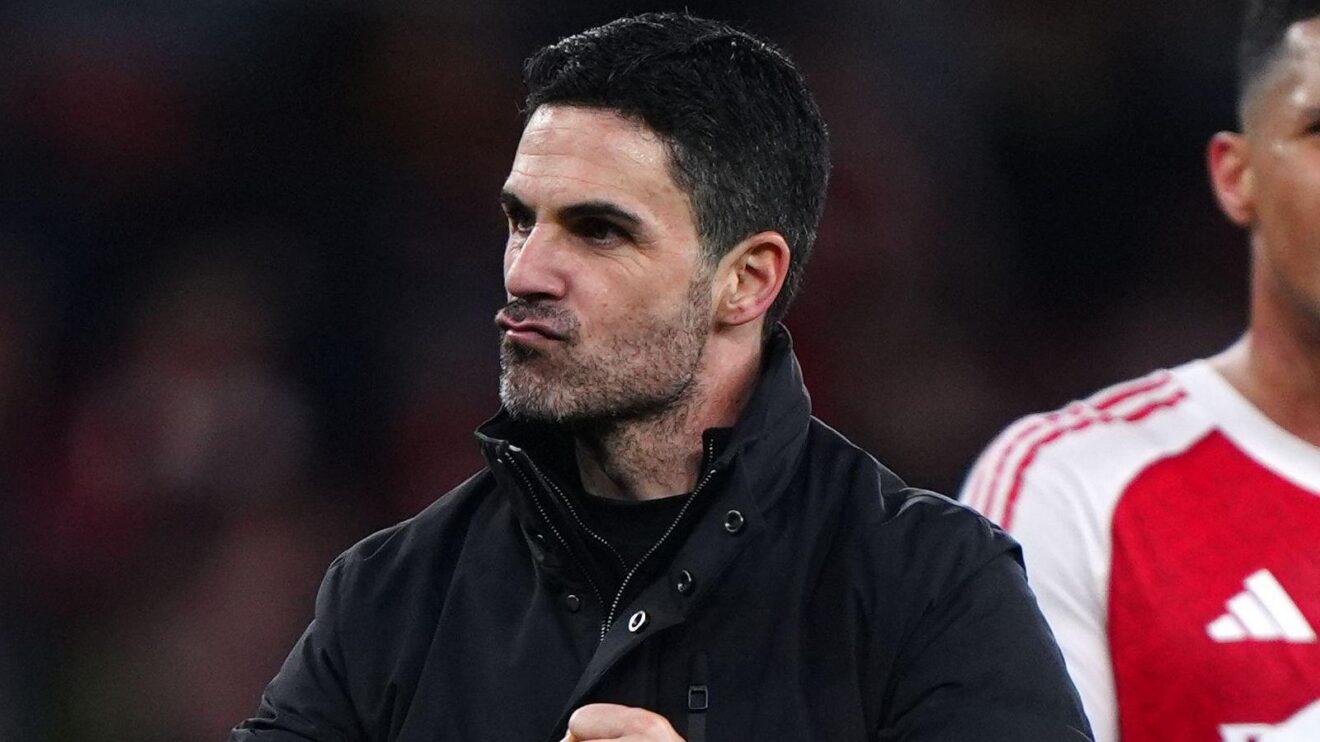
Arsenal did not hit pause in the transfer window after ending their 22-year wait for a Premier League title. Multiple reports say manager Mikel Arteta is personally driving the club’s pursuit of Aston Villa attacking midfielder Morgan Rogers — a potential deal worth around £100m that could become the Gunners’ third major move of the summer. At the same time, talks have begun over midfielder Fabio Vieira’s permanent move to Hamburger SV, with exits and signings running in parallel as the champions sketch out their squad reshuffle for the new season.
By the numbers: why Rogers is the target
Rogers, 23, has produced 14 goals and 12 assists for Villa this season, putting him in the top tier of efficiency among European players in his position. His 26 direct goal contributions mean he delivers a scoring contribution roughly every 118 minutes — exactly the kind of “high-conversion attacking midfielder” Arsenal need to add both creativity and finishing up front.
At international level, Rogers has already locked himself into the race for a World Cup starting role with England on the back of his club form. Completing a transfer before the tournament affects not only his personal rhythm but also how the Three Lions line up in midfield. On the sporting calendar, if Arsenal can seal the deal early in the summer, it would help Rogers bed fully into Arteta’s pressing system during pre-season.
Three-way race: Manchester United and Chelsea also in the mix
talkSPORT reports that Arteta is “leading from the front” in Arsenal’s chase for Rogers, with initial contact already made. The competition will not be easy: Chelsea are also looking to strengthen up front, while Manchester United have made Rogers their top summer target — club football director Jason Wilcox has long been tracking him too.
The core difference in this three-way tug-of-war lies in squad-building logic. Manchester United urgently need to rebuild their attacking core, Chelsea are continuing their high-spend approach, while Arsenal, fresh off winning the title, are pursuing “quality upgrades” rather than stacking numbers. Rogers’s averages for key passes per game and touches in the box this season at Villa make him a plug-and-play option for all three giants—but a nine-figure asking price in pounds will filter out anyone lacking genuine intent.
Balancing the books: exit routes open in parallel
Winning the title does not mean operations stop. Arsenal’s roughly £250 million summer spend last year has already pushed the club close to major silverware; they remain in contention for the Champions League, with European glory beyond domestic doubles still within reach. On the financial side, however, the club may prioritise moving on as many as eight players this summer to balance the books.
Jakub Kiwior’s move to Porto and Karl Hein’s sale to Werder Bremen are already completed departures. The next focus is Vieira: German journalist Florian Plettenberg reports that Hamburger SV are pushing hard for a permanent transfer, with talks already opened with Arsenal. Hamburg made clear in recent private meetings that they want Vieira as a cornerstone of their rebuild; the player himself is open to staying, and whether the deal goes through depends on whether the two clubs can agree terms.
Vieira’s potential exit would free up wages and registration space for new signings such as Rogers. Structurally, Arsenal’s midfield need to retain grit and transition speed while adding players who can deliver consistently in one-on-one situations and the final ball—Rogers’s data profile sits squarely in that bracket.
Summer-window tempo: the tactical meaning of a third signing
If Rogers completes the move, it would be Arsenal’s third major transfer pursuit of the summer, continuing the “champions’ reinforcement” logic after their title-winning season. Rather than simply stacking big names, Arteta’s team prefers to validate transfer value through quantifiable output: goal contributions, high-press success rate in the final third, and threat creation in the box are all hard metrics for assessing an attacking midfielder’s value for money.
From the opposition’s perspective, if Manchester United miss out on Rogers, they will need to reassess their forward plans; Chelsea’s intervention will test Arsenal’s resolve in the bidding war. While Villa lose a core attacking outlet, a return in the region of £100m can be reinvested—the transfer market is never a zero-sum game.
What to Watch Next
Three signals over the coming weeks are worth tracking: whether Arsenal and Villa enter a substantive bidding phase; the progress of Vieira’s permanent move to Hamburger SV, which will directly affect the pace of Arsenal’s midfield clear-out; and Rogers’ international form before the World Cup, which could also shape the negotiating tempo for all parties. For newly crowned champions Arsenal, finding the balance between financial sustainability and sporting upgrade will determine whether they can move from “Premier League champions” to “long-term dominance”.