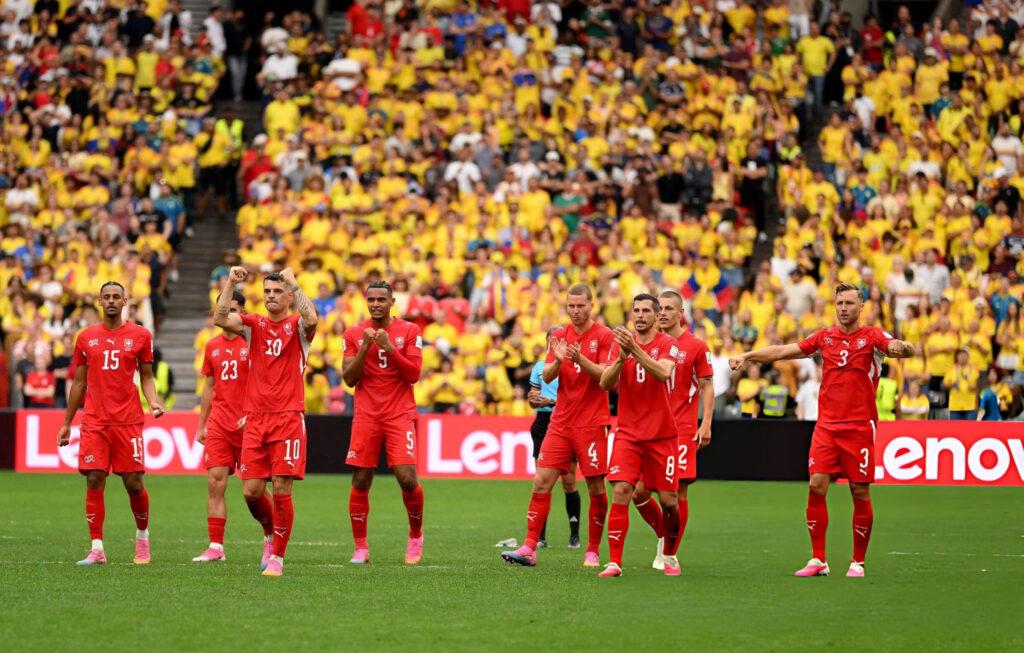


















Two hours of football produced nothing. Twelve spot kicks later, Switzerland had a story worth remembering and Colombia had a crossbar, a saved penalty, and the sickening silence that follows a shootout defeat.
The numbers from a bruising World Cup round-of-16 tie were never going to capture the tension. Switzerland finished with two shots on target and 49 percent possession; Colombia edged them with five attempts and 51 percent of the ball. For long stretches it looked like a match designed to expire quietly. Instead it became a referendum on patience, nerve, and whether a coach can still change a game when everyone in the stadium is already thinking about extra time.
The Shootout Told the Real Story
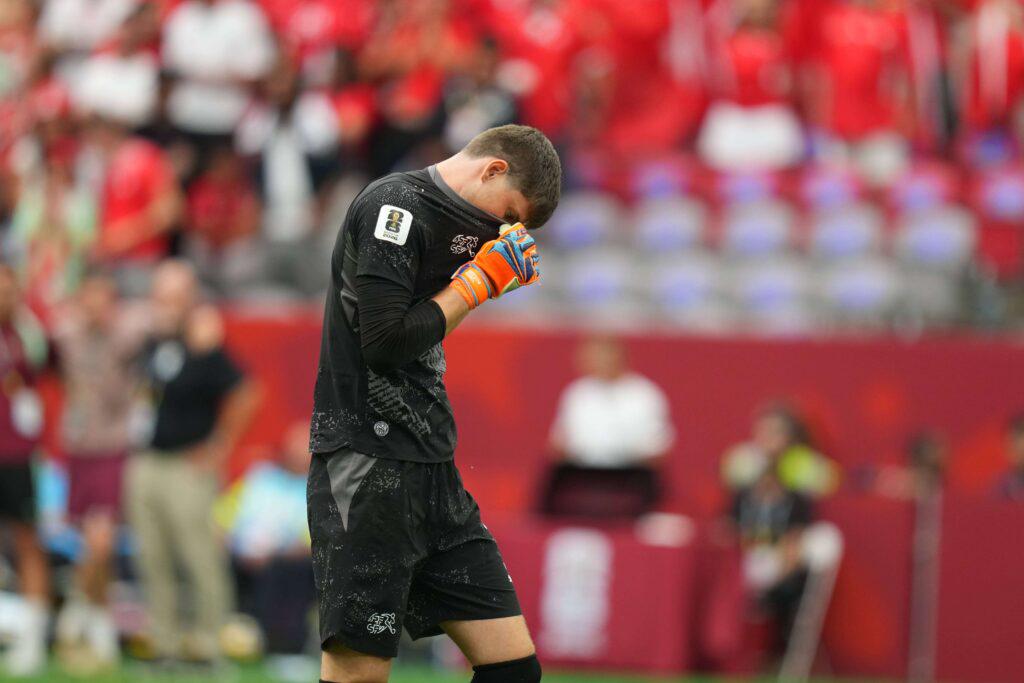
Davinson Sanchez struck the crossbar with Colombia's second kick. Cucho Hernandez then walked to the spot and saw his effort stopped by Gregor Kobel, who had spent two hours proving he could keep Switzerland alive without needing heroics in open play. Ruben Vargas, introduced in second-half stoppage time, buried the decisive penalty to seal a 4-3 shootout win after 120 scoreless minutes.
That sequence is cruel in its simplicity. One woodwork clang. One goalkeeper read. One substitute who had to believe his name would not be attached to another heartbreaking exit.
Vargas knows that feeling too well. At Euro 2024, Switzerland lost their quarterfinal shootout to England, and the memory does not dissolve because a calendar turns. This time he said he felt safe and secure at the spot. Coaches love that kind of language because it is the opposite of bravado. It is professionalism under pressure, the kind you cannot fake when the whole tournament narrows to twelve yards.
Yakin's Gamble After the 87th Minute
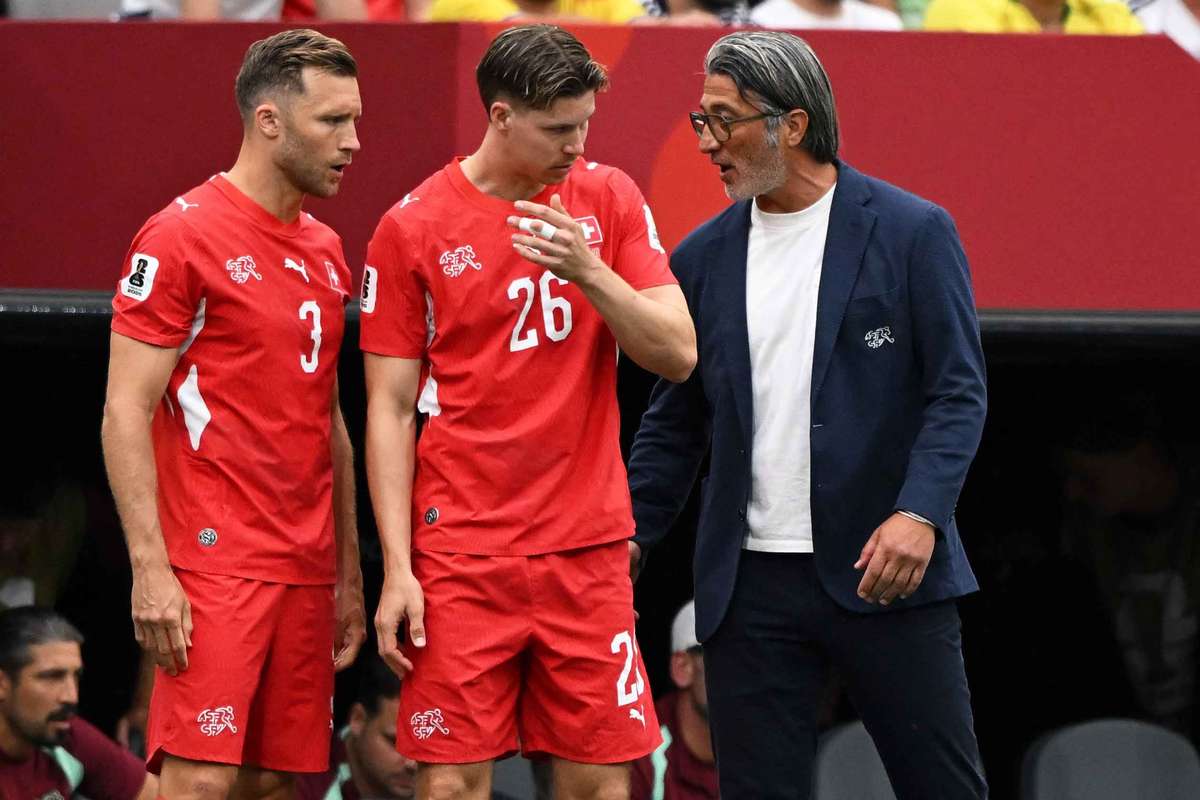
The tactical headline belongs to Murat Yakin, who reshaped Switzerland's front line in the closing stages with a burst of substitutions that looked risky on paper and essential in hindsight. Ruben Vargas, Cedric Itten, and Zeki Amdouni all entered after the 87th minute, refreshing legs and options in a game that had started to resemble trench warfare.
"It was difficult in the beginning, but we stayed in it and showed great mentality," Yakin said afterward. "Then I brought on the right players at the right moment."
That is not a coach hiding behind cliché. It is a manager describing the one decision fans rarely forgive when it fails: changing personnel when the match feels settled. Late attacking swaps can look like panic. Here they looked like planning. Itten and Amdouni also converted their penalties. Amdouni in particular struck his kick with the calm of someone who had been on the pitch for minutes, not months.
Yakin's relief afterward was plain. "It was just amazing to see him smash that in," he said of Vargas's winner. "We are getting into the flow and have to slowly process what has happened. It was an unbelievable victory."
For a national team ranked 19th in the world, still one place below where they stood last month, that emotion is understandable. Switzerland did not overwhelm Colombia, ranked 13th and climbing. They outlasted them.
What Patience Buys at a World Cup
There is a version of this sport that rewards only the spectacular, the team that forces the issue until the scoreboard obeys. Switzerland offered the other version. They absorbed discomfort, stayed structurally sound in a 4-2-3-1, passed at 88 percent accuracy, and trusted that tournament football sometimes rewards restraint as much as brilliance.
That is not an easy sell to every fan. Neutral viewers want chaos. Swiss supporters, especially those old enough to know the country's World Cup history, will take progression. This is Switzerland's first quarterfinal since 1954. Read that again. Not a generation. Not a fad cycle. A gap measured in decades.
Which is why the shootout mattered beyond the immediate opponent. Quarterfinals are where narratives harden. They are also where managers are remembered for substitutions that either rescue a season or become footnotes in regret.
Colombia Leaves With Questions, Not Answers
Colombia will replay the fine margins. Sanchez's crossbar. Hernandez's saved attempt. Five shots, only one on target, and still enough possession to believe they belonged on equal terms. Tournament exits of this shape are especially bitter because they invite endless counterfactuals without offering a single clear mistake to bury.
That is the cruelty of penalties. They turn a shared 120-minute effort into individual isolation. Colombia's players will be told they were brave. They will also know brave is not a word that keeps you in the competition.
Argentina Waits, and the Bar Rises
Switzerland's reward is a quarterfinal against Argentina, who advanced earlier the same day after rallying to beat Egypt 3-2. The Argentines sit third in the FIFA rankings, one spot below their previous position but still carrying the weight of a side that knows how to win when a match tilts late.
Egypt, ranked 29th and improving, pushed them hard. That should sharpen Switzerland's understanding of what comes next. Beating Colombia in a shootout proves nerve. Beating Argentina will require something more layered: chance creation against a defense that does not forgive passive evenings, and the tactical discipline to avoid being pulled into a game that plays to South American rhythm.
Yakin sounded aware of that shift. "We had to stay very patient," he said of the Colombia win, "but we put in a top performance today, so I am very happy with my players." Patience got them here. It may not be enough alone in the next round.
The Fan Perspective Worth Keeping
Every World Cup produces matches that look modest until the final whistle rewrites them. This was one. No flood of goals, no single dominant star carrying the highlight reels, just a group of players who refused to leave when the occasion demanded stubbornness.
For Swiss fans, that is not a consolation prize. It is the whole point of backing a national team that rarely gets to act like a heavyweight. For neutral observers, it is a reminder that managerial timing still matters in an era obsessed with data models and predefined patterns. Yakin did not invent a new system. He changed the game at the one moment when change still carries consequence.
Vargas called scoring the decisive penalty amazing. Yakin called it relief. Both are true. Tournament football rarely separates the two.
Switzerland move on to their first World Cup quarterfinal in seventy-two years. Colombia go home with a crossbar and a what-if. And the sport, once again, proves that the most dramatic endings often arrive after the loudest ninety minutes have failed to settle anything at all.