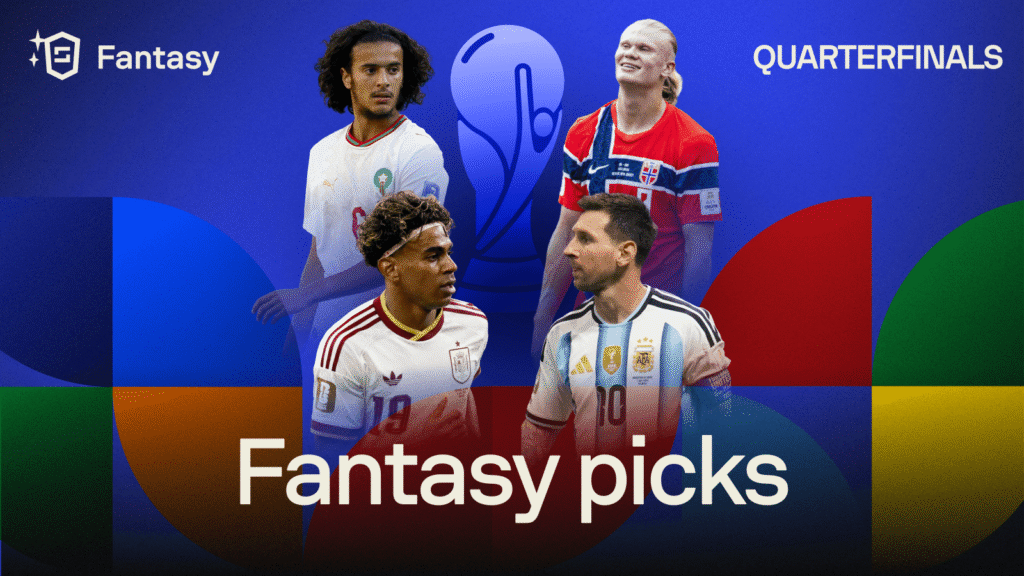












The knockout bracket is set, and the individual leaderboard after the Round of 16 tells a clear story about who is carrying teams through the highest-stakes minutes at World Cup 2026. Goals still decide nights, but the players separating themselves are doing more than finishing — they are controlling tempo, creating chances, and holding defensive lines when margins shrink to one moment.
Rating Leaders Set the Standard
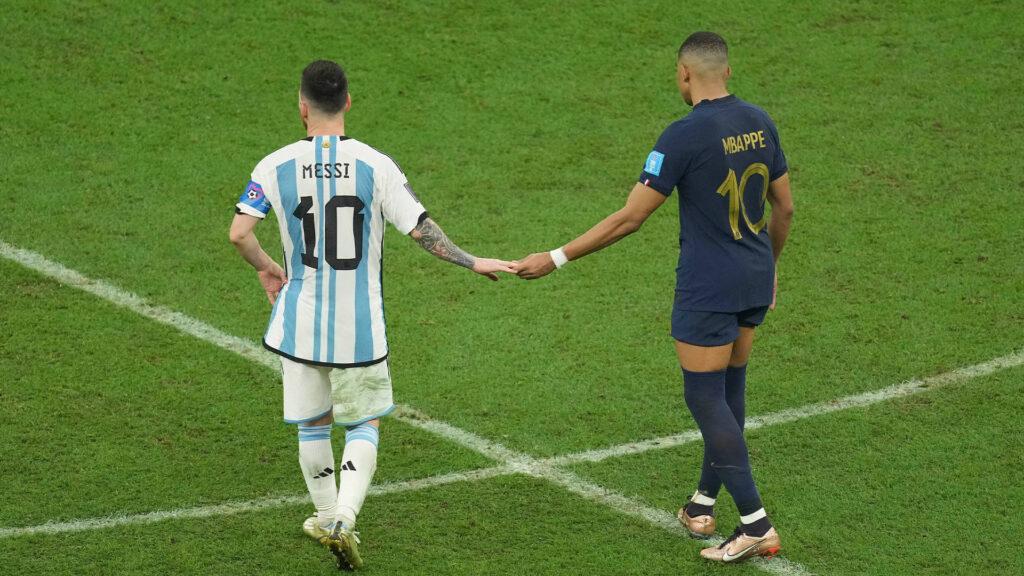
Lionel Messi has been the tournament's most complete performer by the numbers, posting a 9.20 average rating through the Round of 16. That level of consistency is rare in a knockout environment where fatigue, travel, and tactical adjustments usually flatten individual output. Messi has not simply scored; he has managed the rhythm of Argentina's attack and made the right decision under pressure repeatedly.
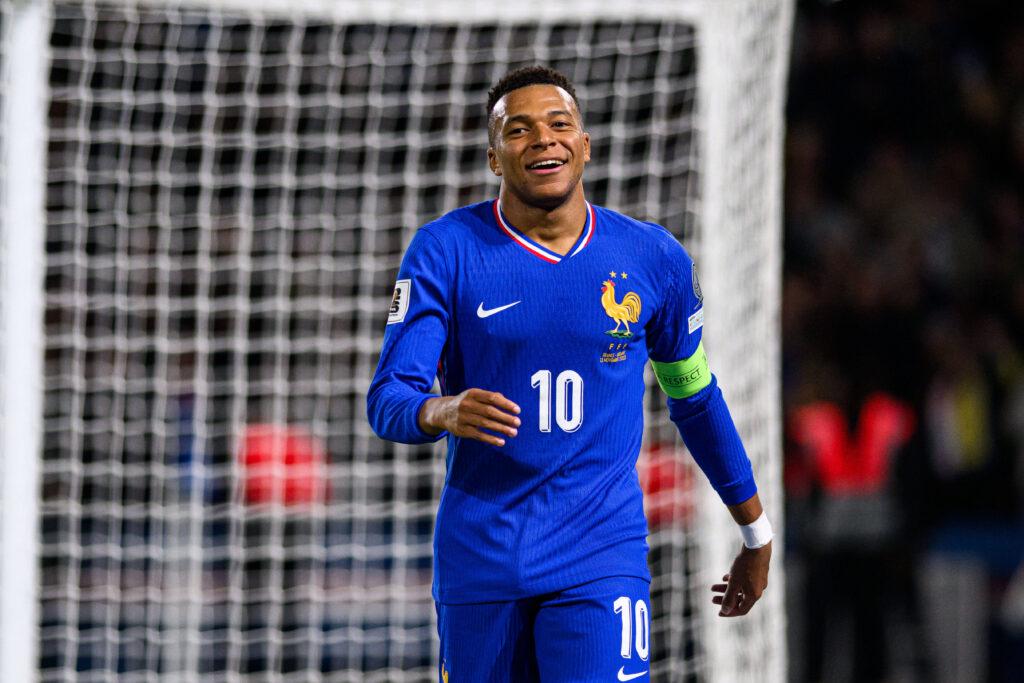
Kylian Mbappé (8.40) and Erling Haaland (8.25) sit directly behind him, reinforcing the idea that this World Cup belongs to elite forwards who can tilt a match in a single sequence. Mbappé continues to convert speed into end product for France, while Haaland has turned Norway's limited possession into a direct goal threat that keeps every opponent honest. Vinicius Júnior (8.00) rounds out the forward-heavy top tier with a blend of carrying and finishing that has made Brazil's wide play one of the most difficult assignments in the tournament.
The surprise name in the rating top five is goalkeeper Orlando Gill at 7.88. Shot-stopping at that level changes how teams can defend in knockout football, and Gill's presence explains why some lower-possession sides have stayed alive longer than expected. The spread at the top also shows that impact is not limited to one position — elite performances are being rewarded across roles.
Golden Boot Race Tightens
The scoring chart after the Round of 16 has a familiar look at the summit. Messi leads with eight goals, one ahead of Haaland and Mbappé, who are tied on seven. Harry Kane remains in striking distance with six for England, and Ismaïla Sarr's four goals underline how dangerous Senegal have been in transition.
What stands out is not just volume but timing. Most of these goals have arrived in high-leverage moments rather than late padding against already-settled matches. That matters heading into the quarterfinals, where one clinical action often decides whether a career-defining run continues. Kane's positioning in the box and Sarr's ability to punish space behind the line keep both England and Senegal relevant in a race that should stay volatile through the next round.
Creators Who Decide the Final Pass
Assists have become one of the clearest indicators of which players are unlocking tight knockout games. Michael Olise leads with five, a total that fits France's structure of runners arriving into space off wide service and cutbacks. Brahim Díaz and Bruno Guimarães are tied on four, offering different routes to the same outcome — Díaz from set pieces and half-space combinations, Guimarães through progressive passing from deeper areas.
Andreas Schjelderup and Bukayo Saka each have three assists, combining pace with composure on the final ball. In a bracket where defensive organization has improved round by round, that last pass is increasingly the difference between extension and elimination.
Volume and Progression in the Build-Up
Key-pass totals reveal who is consistently finding teammates in dangerous areas. Leandro Trossard leads with 17 for Belgium, delivering repeatedly from the left half-space in a way that has kept Belgium's attack functional even when central penetration is blocked. Messi (16), Mohamed Salah (16), and Achraf Hakimi (16) are tied behind him, reflecting how Egypt and Morocco have relied on wide creators to generate volume against compact defenses.
Roberto Alvarado has contributed 13 key passes, another sign that Mexico's progression has come through structured chance creation rather than isolated moments. Players who combine key-pass volume with end product — Messi chief among them — are the ones most likely to influence quarterfinal outcomes.
What the Quarterfinals Will Test
The Round of 16 has already trimmed the field to players who can affect games in multiple phases. Messi's dual leadership in scoring and chance creation puts Argentina in a strong individual foundation. France and England still have multiple creators operating at a high level, while Belgium and Morocco have shown that consistent delivery from wide areas can sustain a deep run even without a single dominant finisher.
As the tournament moves forward, the names at the top of these leaderboards are not statistical curiosities — they are the players whose form will likely determine which national-team careers extend into a semifinal and which end with one chance that never arrived.