











The 2026 World Cup quarterfinal between France and Morocco lands in Foxborough, Massachusetts, with Gillette Stadium set to host one of the tournament’s most layered knockout ties. For traveling supporters, the fixture is as much a logistics puzzle as a football occasion: plan for a 66,829-capacity venue, evening kickoff traffic around Route 1, and limited parking that rewards early arrival or a rideshare drop near the stadium complex.
Getting to Gillette on match night
Foxborough sits roughly 35 miles southwest of Boston, which makes Logan International Airport the most straightforward entry point for international visitors. The MBTA commuter rail does not serve the stadium directly on a typical schedule, so most away fans rely on chartered buses, hotel shuttles, or pre-booked car services. If you are staying in Boston, build in extra time for I-95 congestion; if you are basing closer in Providence or Foxborough itself, walking distances to rideshare zones are shorter but still expect post-match queues.
Pack for a New England summer night: temperatures can cool quickly after sunset, and open-bowl wind is common even in July. Mobile tickets, a charged phone, and a clear stadium bag policy check before you leave the hotel will save friction at the gates.
Why this matchup carries extra weight
This is the seventh meeting between France and Morocco, and Les Bleus remain unbeaten across the previous six, with four wins and two draws. Their only competitive clash to date came at the 2022 World Cup semi-final, a 2-0 French victory that still frames the emotional stakes for Moroccan travelers making the long trip to New England.
France arrive ranked No. 1 in FIFA’s list, while Morocco hold steady at No. 8 — a gap that understates how dangerous the Atlas Lions have looked in knockout settings across recent World Cups. Morocco’s run across the last two editions also includes a rare continental distinction: they are the only African nation to open a tournament with five unbeaten matches in that span, a benchmark that explains why their fan base treats every away night as a statement opportunity.
France’s rhythm and a manager’s milestone
Didier Deschamps’ side brings serious momentum into Foxborough. France have taken 11 wins from their last 12 competitive matches, with the other result a draw, and they are riding a seven-game winning streak in competitive play. One more victory would match a sequence they last pushed beyond between 2002 and 2004 — the kind of steady tempo that tends to survive knockout pressure.
This quarterfinal is also a personal landmark for Didier Deschamps. The fixture marks his 25th World Cup match as a manager, equaling the all-time record, and his 19 victories in the competition already stand as the benchmark for any coach in tournament history. France are simultaneously chasing a third straight World Cup semi-final after 2018 and 2022, a run only Germany and Brazil have previously extended to three or more consecutive last-four appearances.
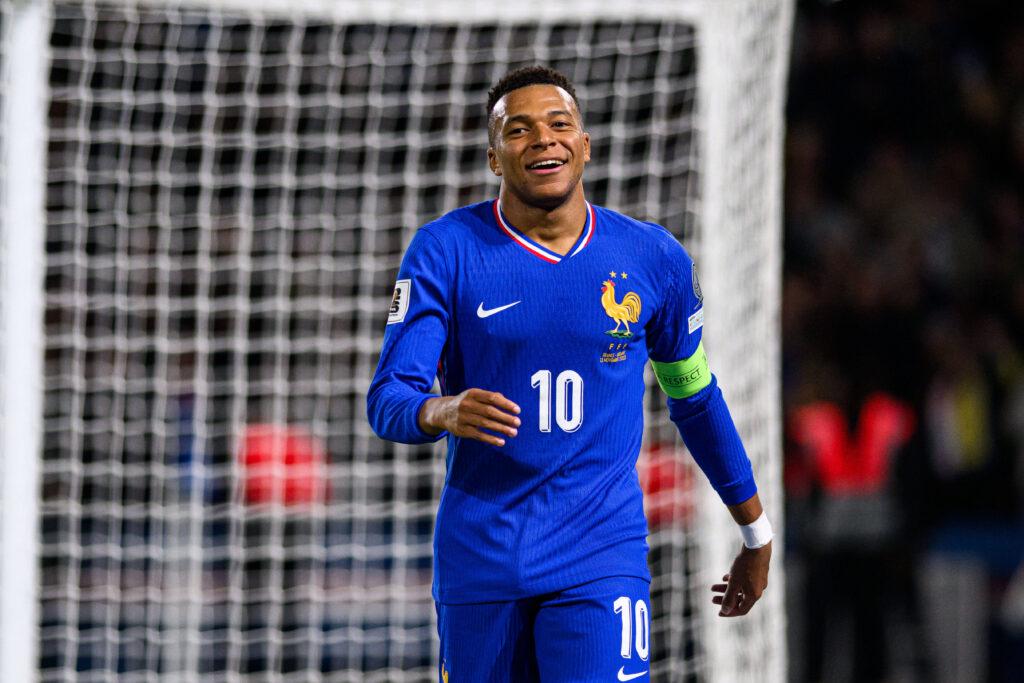
On the pitch, Kylian Mbappé has set the tone for Les Bleus at this World Cup with seven goals, nine goal involvements, and 12 chances created. Michael Olise has complemented that threat with nine defensive line-breaking passes at the tournament, one more than Mbappé’s eight — a small number that captures how vertical France have been when they win territory quickly.
Morocco’s case for the road upset
Morocco’s World Cup profile in 2026 has been built on control as much as flair. In their recent tournament outings logged in our database, they have posted wins with 55% and 70% possession in separate fixtures, combining compact defending with efficient finishing — including a 3-goal performance built from five shots and four on target in one away win. That profile travels well when a knockout match tightens.
France’s own World Cup numbers underline the contrast awaiting travelers in the stands: Les Bleus have produced dominant possession figures, including a 76% share in one away win and 25 shots in a home victory, but Morocco’s ability to stay organized without the ball has been the foundation of their continental breakout.
What to watch after the final whistle plans
Argentine referee Facundo Tello, with more than 340 professional matches on his record, will oversee a fixture where margins are likely to be decided by transition discipline and set-piece composure. For fans turning the trip into a long weekend, Boston’s late dining scene and Providence’s smaller hotel footprint both work as recovery bases — just book return transport before kickoff, when cell service near the stadium can slow to a crawl.
France’s historical edge and current form make them the side most away planners will pencil in, but Morocco’s unbeaten opening standard and knockout pedigree are exactly why this quarterfinal is worth the cross-border journey.