

















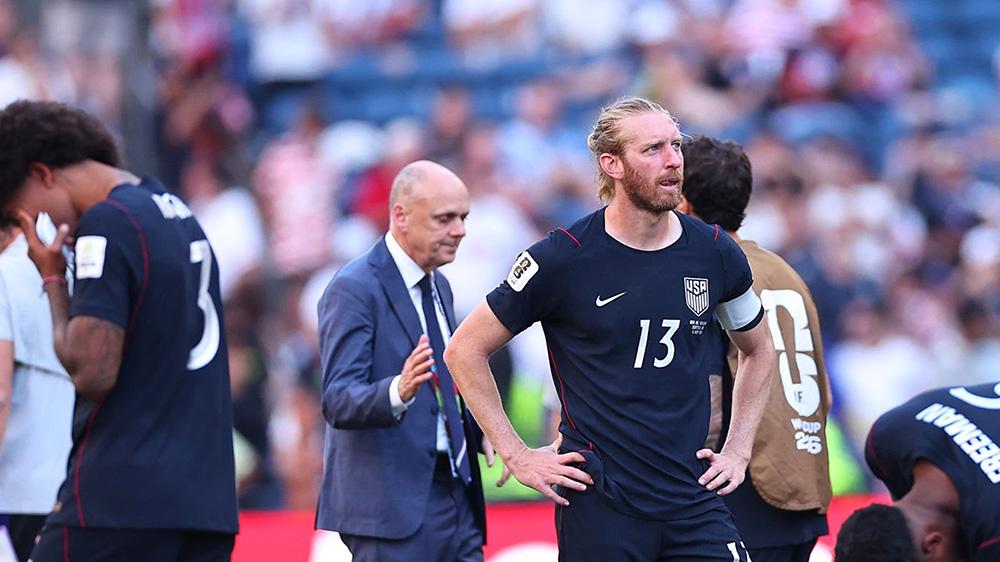
The United States walked off Lumen Field with a 1-4 defeat and an early World Cup exit that will linger far longer than the final whistle. For a squad that had shown real composure through the group stage, the Round of 16 turned into a blunt reminder of knockout football: one lapse is costly, three is terminal.
Belgium arrived ranked ninth in the world and left Seattle having turned pressure into four goals without needing to dominate the ball. The numbers tell a familiar story of efficiency over volume. The USA held 56% possession, completed 527 passes at 87% accuracy, and still lost by three. Belgium managed 15 shots, seven on target, and converted at a rate that made every American mistake feel amplified in a rocking home stadium.
A Knockout Record Nobody Wants
What separates this loss from a standard Round of 16 disappointment is the error count. Tracking data shows three separate mistakes that directly preceded Belgian goals — a threshold no team had reached in a World Cup knockout game since detailed records started in 1966. The USA now stand alone on a list no nation wants to lead.
Goalkeeper Matt Freese, veteran defender Tim Ream, and center-back Chris Richards were each credited with one error that fed a high-value Belgian chance. None were isolated blips in an otherwise clean performance. Each one shifted momentum, and Belgium punished all three without hesitation.
That pattern matters because it reframes the narrative. This was not a case of USA being overrun for ninety minutes. For long stretches they looked like the side that had pushed through the opening rounds with structure and intent. Then the security dropped — three times — and the scoreboard became impossible to chase.
How Seattle Slipped Away
Belgium set up in a 4-2-3-1 and played with selective pressing rather than constant aggression. They waited for loose touches, attacked transition space with speed, and managed the crowd noise at Lumen Field with veteran calm. By halftime they led 2-1, which gave them the platform to control tempo after the break.
The USA's best sequences often stalled before a clean final ball. Seven total shots and only two on target underscored the gap between territorial play and actual threat. Folarin Balogun and the front line saw openings, but Belgium's back line blocked the box effectively and the visitors finished ruthlessly when chances arrived.
Two second-half goals sealed the outcome and turned a competitive match into a scoreline that stings. The USA tried to reset through earlier substitutions and more direct play, but the trend never flipped. Belgium's 4-2-3-1 held its shape, their front line converted at a high clip, and transitions grew more dangerous once the lead stretched.
The raw match data captures the tension: USA 1-4 Belgium, with the visitors generating nearly double the shots despite holding just 44% possession. That is knockout football at its most unforgiving — not always about who controls the ball, but who controls the moments that decide it.
What the Trend Line Says
For a program ranked 16th globally, this exit exposes a specific weakness rather than a broad collapse. The USA showed they could compete at this level in phases. They also showed that elite knockout opponents do not grant recovery time when composure slips.
Belgium, meanwhile, reinforced why they enter every major tournament among the favorites. A ninth-place FIFA ranking is backed by the kind of clinical finishing and game management that turns errors into eliminations. Their World Cup campaign continues with momentum and belief.
The American takeaway is straightforward and harsh. You can play well for long stretches in a World Cup knockout round, but switch off three times and the tournament ends. Until that security improves under maximum pressure, the gap between group-stage promise and knockout reality will remain the defining trend.