









The World Cup round of 32 closes with three knockout ties spread across an demanding evening-to-morning window. For supporters planning travel, broadcast schedules, or in-stadium attendance, the practical story is not only who advances but how kickoff spacing, surface wear, and recovery time could shape each result.
Schedule Spread and Match-Day Conditions
Three fixtures are stacked across a tight block: Australia against Egypt at 20:00 CET, Argentina versus Cape Verde at midnight CET, and Colombia meeting Ghana at 03:30 CET.
That sequencing matters. The earliest tie lands in prime evening conditions, when temperatures typically ease and natural light still offers clear visibility for long passes and defensive reads. The two later fixtures push play deeper into the night, when cooler air can help sustained pressing but also raises the risk of a slicker pitch if dew settles on a surface already stressed by a full day of tournament use.
Venue managers on the final day of this round often face their toughest maintenance window. Multiple matches in quick succession can soften the middle third, widen passing lanes along the touchlines, and make standing tackles more unpredictable. Teams that rely on quick combinations through the center may find extra bounce in the final third, while direct sides could benefit if the surface plays faster after hours of use.
Australia vs Egypt: A Toss-Up With High Stakes
FIFA ranks Australia 27th and Egypt 29th, a gap so narrow it barely forecasts the outcome. Recent results show Australia grinding out 0-0 draws against Iraq and Tajikistan in competitive fixtures, a pattern that suggests a disciplined, hard-to-break block rather than free-scoring football.
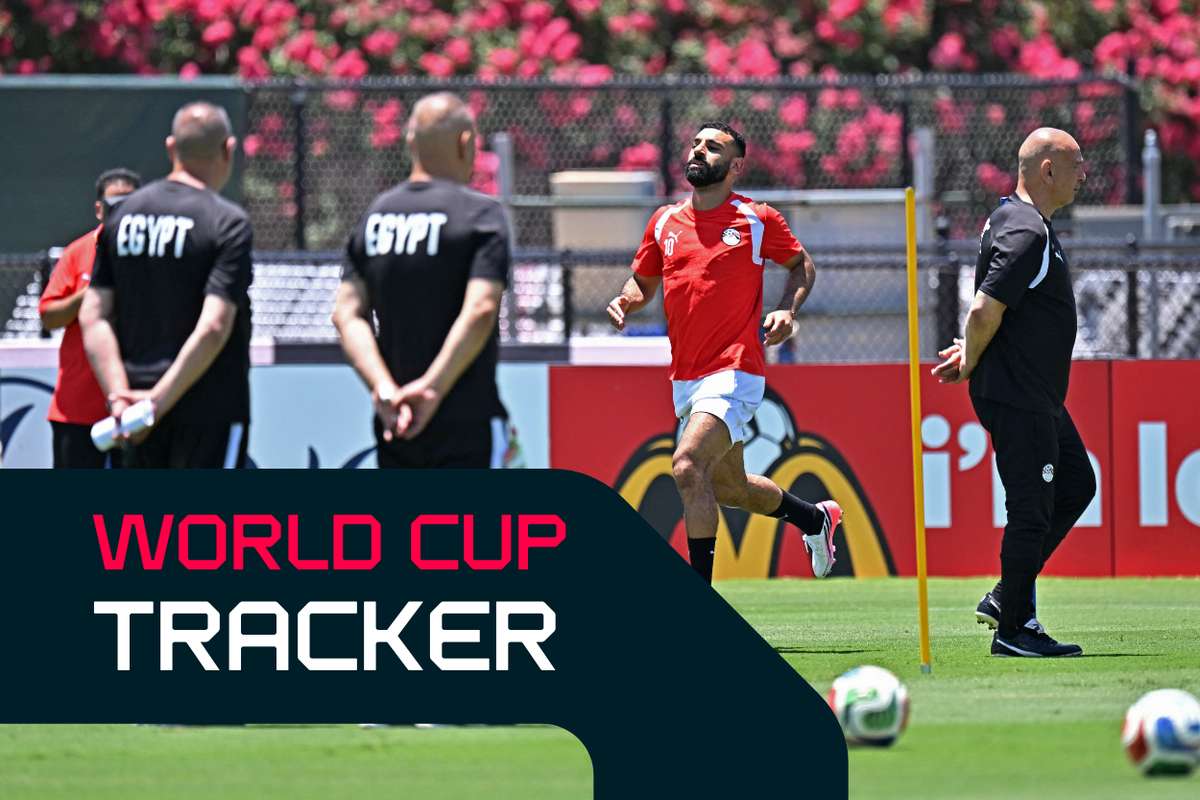
Egypt arrive with momentum in the rankings, climbing two places to 29th, and with Mohamed Salah carrying the emotional weight of the tie. This could be his last World Cup appearance, which adds urgency to every transition. Salah thrives when Egypt win the first duel after a turnover and get him isolating a full-back in space. If Australia compress the half-spaces and force Egypt to recycle possession wide, the Pharaohs may struggle to turn pressure into clear chances.
From a risk standpoint, this is the day's most volatile matchup. Neither side enters as a clear favorite, and extra time is a realistic scenario if the evening pitch slows final-third execution.
Practical pre-match notes
Fans attending the opener should plan for peak exit traffic overlapping with late-arriving crowds for the midnight fixture. Security and transit bottlenecks are most likely in the 90-minute window before the second kickoff.
Argentina vs Cape Verde: Structure Against a Living Legend
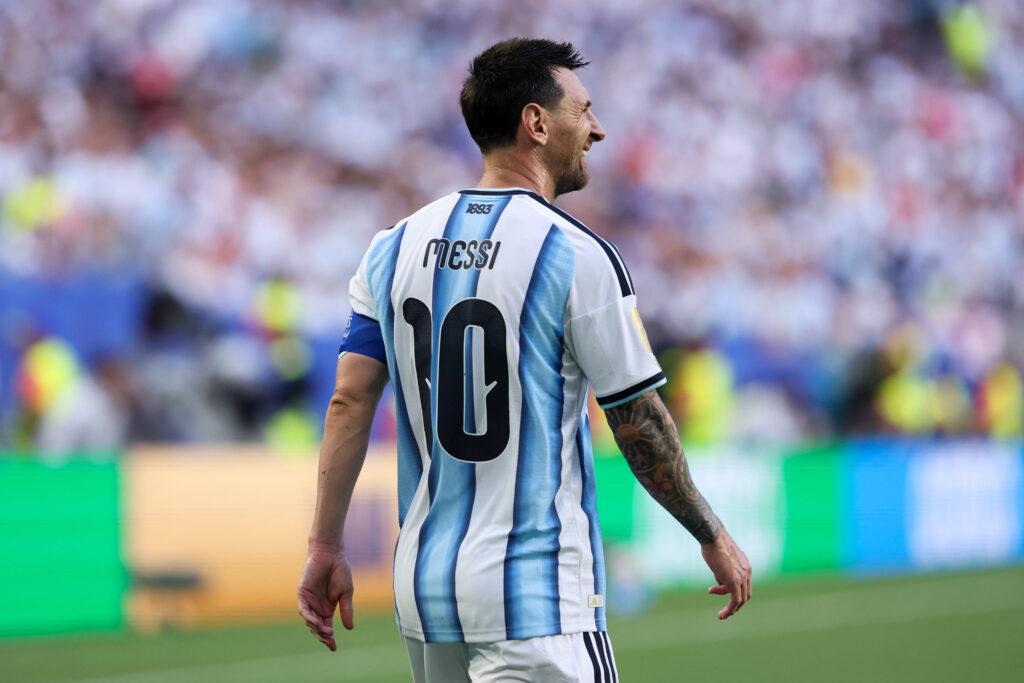
Reigning champions Argentina sit third in the FIFA rankings and remain the benchmark in this window. Lionel Messi continues to define their ceiling: when he receives between the lines with time to scan, Argentina's attack still sharpens immediately.
Cape Verde, ranked 69th and coming off a run of recent 0-0 results in competitive play, have built their World Cup story on defensive reliability. Their goalkeeper was central to that approach, keeping clean sheets in two of three group matches. That record turns this into a test of patience — whether Argentina can break a compact, organized low block without overcommitting and leaving space for a counter.
The midnight kickoff favors Argentina's control-based approach if the ball moves crisply. If the surface tightens under floodlights, Cape Verde's keeper and back line gain extra fractions of a second on reactions. Set-piece discipline will be critical; one lapse against Messi on a dead ball has been enough to decide knockout games throughout his career.
Argentina's path through the bracket has been relatively smooth, but knockout football punishes any assumption of comfort. The primary risk here is not talent but tempo — allowing Cape Verde to drag the game into a low-event shootout.
Colombia vs Ghana: Physical Test in the Early Hours
The day's closing tie pairs FIFA No. 13 Colombia against No. 74 Ghana in the 03:30 CET slot, the most demanding slot for player alertness and fan concentration alike.
Colombia showed elite credentials in the group stage by going toe-to-toe with Portugal, a result that signals balance across midfield and the ability to match top-tier intensity for 90 minutes. Ghana's route featured frustration for England and progress past Panama, evidence of a side that can sit deep, absorb pressure, and punish mistakes on the break.
At that hour, conditioning becomes a hidden variable. Colombia's high-pressing style requires repeated sprint recoveries; Ghana's compact defending demands concentration through long spells without possession. The team that manages hydration, cramp risk, and substitution timing best will likely control the final half hour.
Ghana's recent 0-0 draws against Gambia and Ivory Coast underline a cautious competitive rhythm. Colombia will need patience if the pitch is slow and Ghana refuse to be pulled out of shape.
What to watch across all three ties
Each matchup carries a distinct tactical profile: Egypt's reliance on Salah's individual threat, Cape Verde's goalkeeper-led defensive anchor, and Ghana's capacity to blunt stronger opponents. Across the board, managers must weigh fatigue from the group stage, the physical toll of knockout tension, and how the last-day pitch behaves under floodlights.
For viewers following the full slate, the safest expectation is not a single dominant narrative but three separate tests of preparation — who adapted to conditions, who managed risk, and who still had clarity when the margins were thinnest.