

















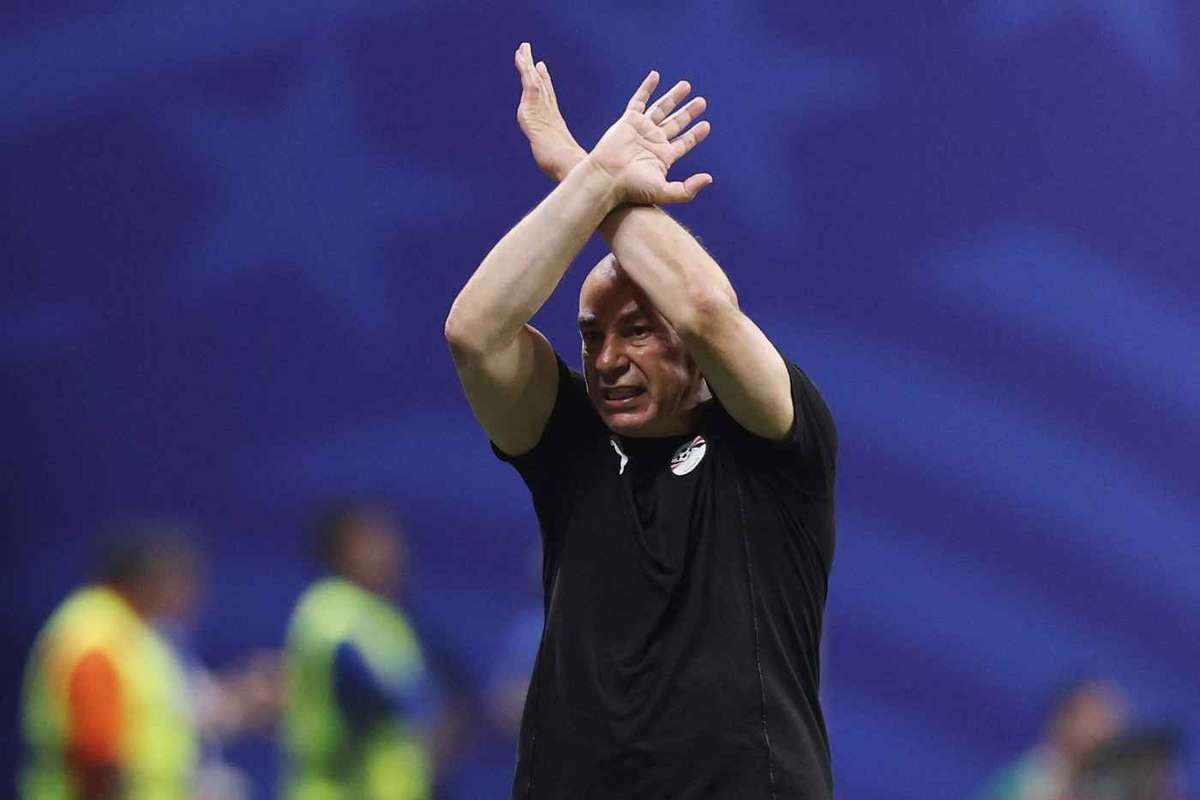
Hassan did not wait for the noise in the mixed zone to settle. Minutes after Argentina had completed a comeback that felt impossible only a quarter of an hour earlier, Egypt's coach stood before reporters with the posture of a man who had already made a private decision.
"I'm going home and won't be watching any more games from the tournament," he said.
That sentence landed harder than the final scoreline. Egypt had been two goals ahead with eleven minutes remaining against the defending champions. They had pushed the holders onto the back foot, tested them with a bolder approach than many expected, and stood within reach of one of the great shocks in World Cup history. Then everything changed in a rush of late goals, VAR intervention, and raw frustration.
A Night That Turned on the Final Quarter
The match itself told two stories at once. For more than an hour, Egypt looked like a team willing to rewrite their own script. Hassan had often been associated with compact defending and selective counter-attacks. Here, his players came out with unusual ambition, pressing high and asking questions of Argentina before the holders could settle into their rhythm.
The numbers from the defeat still underline how steep the climb became. Egypt finished with just 36 percent possession, five shots and two on target. Argentina, operating in a 4-1-3-2 shape, controlled 64 percent of the ball, fired 19 shots and forced goalkeeper Mostafa Shoubir into repeated rescue work. Yet for long stretches, Egypt did not look like a side being overrun. They looked like a side that had chosen courage over caution and, for a while, been rewarded for it.
Shoubir's performance was central to that illusion of safety. While Argentina probed and rotated, the Egyptian goalkeeper repeatedly denied the kind of clear openings that usually define knockout football. By the interval, Egypt remained ahead not because they had escaped every wave, but because one player refused to let the night slip early.
The Goal That Stood, and the One That Didn't
The emotional hinge of the evening came in the 62nd minute, when Mostafa Zico appeared to have put Egypt further in front. For a brief moment, the stadium felt like it belonged to the underdogs. Then VAR rewrote the sequence. Officials ruled that a foul in the buildup invalidated the strike, stripping Egypt of a goal that might have changed the psychology of the closing stages.
Hassan returned to that decision again and again. "What happened to us wasn't fair," he said. "We should have had a penalty, a goal was disallowed, and I don't know why it was disallowed."
Egypt also believed they should have been awarded a spot kick after a tug on Hamdy Fathy in the dying minutes. Before that claim could reshape the ending, Argentina went straight down the other end and found a 92nd-minute winner. The sequence turned protest into collapse. Three goals conceded in the closing phase transformed a 2-0 lead into a 3-2 defeat.
Even Hassan, who insisted his team had been the better side on the night, could not pretend the finish was tidy. "Even if the goals came from mistakes," he said, "the biggest mistake is not getting what you're entitled to from those responsible for making the decisions."
Messi and the Weight of a Champion's Response
No account of the turnaround can ignore Lionel Messi. Egypt had not merely been leading; they had been close to removing the aura that surrounds a reigning champion. Argentina's response was not smooth or comfortable. It was urgent, messy and ultimately decisive. Messi's influence did not always arrive as a single iconic moment. It arrived as the force that kept Argentina believing when the tie looked lost.
That is the cruel asymmetry of knockout football. Egypt's players had followed a plan that worked until it did not. Argentina's stars had the capacity to punish hesitation in the minutes when a tournament can be saved or ended. The holders finished with seven shots on target and a win that preserved their campaign. Egypt left with two goals, three yellow cards and the bitter sense that the scoreboard and the story of the match were not telling the same truth.
A Coach Who Hates Losing on Unfair Terms
Hassan's press conference was not a tactical autopsy. It was the testimony of a coach who sees defeat as a personal wound when he believes the process was corrupted.
"I'm the type of person who hates losing," he said. "And when it's a defeat that feels unjust like today's, I can only tell the fans not to be upset. We wanted so much to give them more joy."
That appeal to supporters mattered because this Egypt team had become easy to root for. Most of the squad is drawn from the domestic league, a world away from the daily environment enjoyed by many of their opponents. Hassan made that contrast explicit and used it as evidence of merit rather than excuse.
"I'm very, very satisfied with the effort they put in," he said. "Most of our players come from the Egyptian domestic league, while many players in other national teams are based in Europe and live in that professional environment. Yet with predominantly local players — besides Mohamed Salah and Omar Marmoush — we were able to compete with anyone."
It was both a compliment to his group and a statement about identity. Egypt arrived at the tournament ranked 29th in the world, climbing two places in the latest update while Argentina sat third. On paper, the gap was real. On the pitch for more than eighty minutes, Egypt made that gap look negotiable.
What Remains After the Walkout
Hassan's decision to stop watching the competition will be read in different ways. Some will see it as emotional exhaustion after a brutal ending. Others will treat it as a public rejection of the officiating standards that shaped the result. What seems clear is that he does not view this as an ordinary elimination.
There was still pride in how his players executed the game plan for long periods. There was still anger at the decisions that denied them, in his view, a fair outcome. And there was still the memory of a team that came within minutes of rewriting its place in World Cup lore.
Argentina move on with their title defense intact, strengthened by the knowledge that even when trailing by two late on, they can find a way through. Egypt go home with a different kind of evidence: proof that a squad built largely at home can stand level with football's elite until the final decisions fall against them.
For Hassan, that may be enough to respect the effort and never accept the ending.