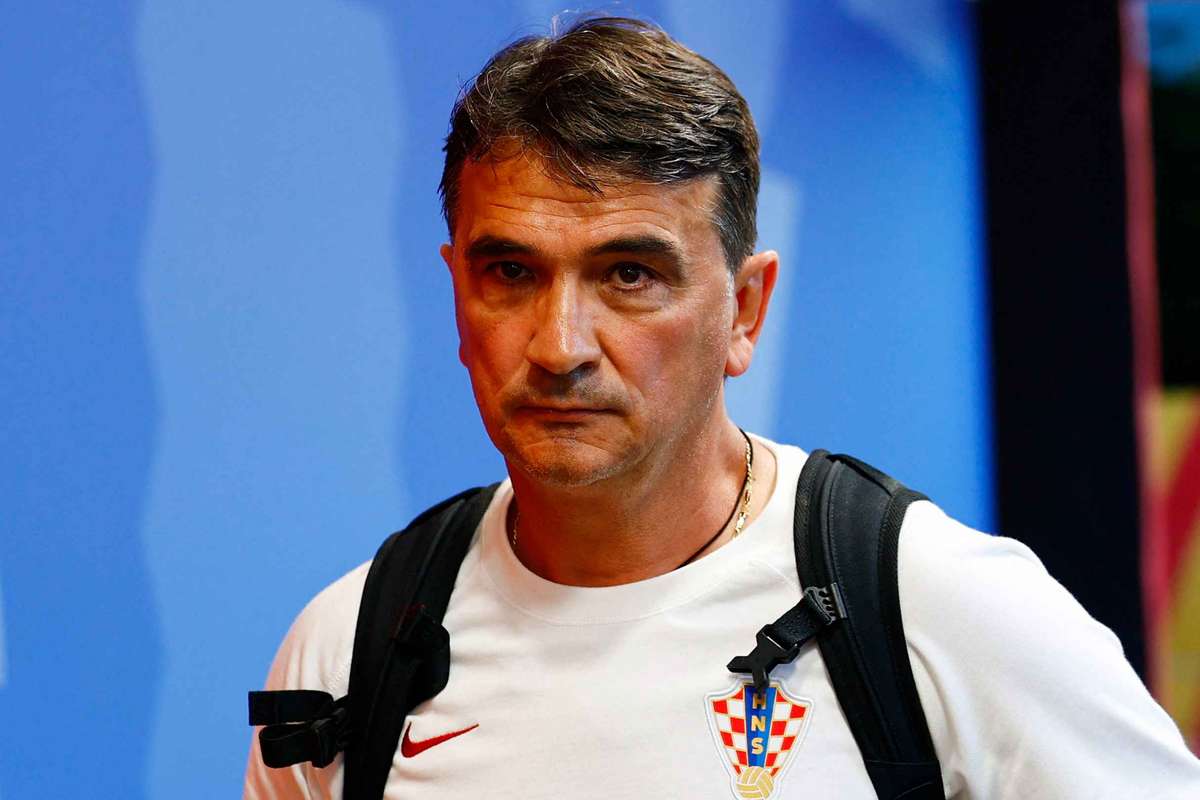

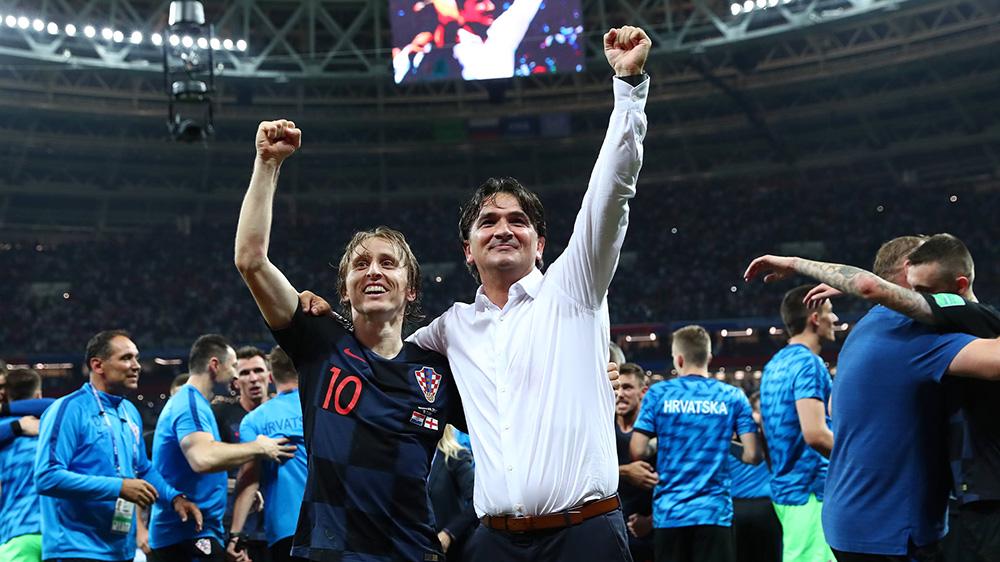
The weekly national-team picture shifted sharply this cycle: Croatia are searching for a new direction after Zlatko Dalić departed in the wake of a World Cup 2026 Round of 32 loss to Portugal. The split ends the most decorated managerial spell in Croatian history — one built on podium finishes, tournament composure, and a clear identity that turned a golden generation into a recurring force on the biggest stages.
For observers tracking long-term competitiveness, Dalić’s exit is less a single-match story than the closing chapter of a sustained trend. Across 111 internationals he collected 62 wins, both national records for a head coach, and delivered a World Cup 2018 silver, a World Cup 2022 bronze, and a 2023 UEFA Nations League silver. a benchmark few successors will match easily.
From Kyiv to a Moscow Final
The arc began under pressure. In October 2017, Croatia arrived in Kyiv needing a win against Ukraine to stay alive in World Cup qualifying. Dalić, newly appointed, kept the approach simple and steady. The team won that night, secured a playoff place, and then handled Greece convincingly to reach Russia 2018.
Momentum built quickly, and belief spread through a talented squad. In the group stage, Croatia swept past Nigeria, Lionel Messi’s Argentina, and Iceland. Denmark fell on penalties, hosts Russia followed on penalties, and England were beaten after extra time in the semifinal. Only France stopped them in the final, a 4-2 defeat that still delivered silver and global respect.
That tournament did more than produce a medal. It reset expectations for Croatian football. A side once admired for individual quality began to be defined by structure, resilience, and late-stage nerve.
Podiums Became the Standard
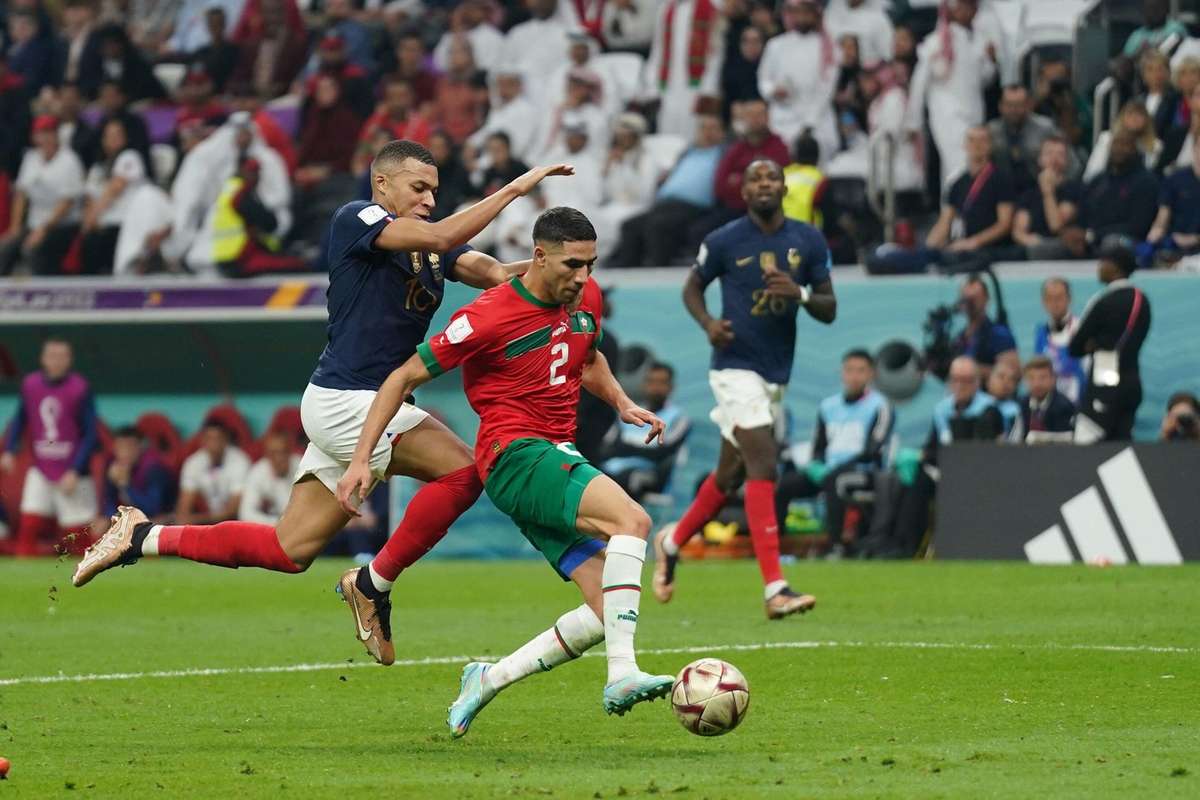
The 2022 cycle reinforced the pattern rather than repeating a one-off miracle. In Qatar, Croatia reached the podium again. The quarterfinal against Brazil went to penalties and the team held its composure. Argentina, led by Messi, proved too strong in the semifinal. Croatia reset for the third-place match and beat Morocco 2-1 to claim bronze.
Six months later, the UEFA Nations League brought another deep run. Croatia beat the Netherlands 4-2 in Rotterdam after extra time, then lost the final to Spain on penalties. Across those years, Dalić leaned on a recognizable framework — often a 4-2-3-1 — and a trusted core that could survive tight margins.
That consistency showed up in the broader competitive landscape. Croatia entered the World Cup 2026 cycle ranked 11th in the FIFA table, while Portugal sat fifth, England fourth, and Argentina third. The gap between Croatia and the elite remained narrow enough to expect another knockout run, but wide enough to expose any tactical drift.
Why the 2018–2023 Stretch Mattered
Trend-wise, the most important detail is repetition. Croatia did not merely peak once. They returned to major-tournament business in 2018, 2022, and in Nations League finals football in 2023. That kind of repeat performance usually signals systemic strength: clear roles, reliable leaders, and a coach who understands how to manage energy across long campaigns.
World Cup 2026: Bold Tweaks, Cruel Ending
This summer’s tournament opened with warning signs. A 4-2 defeat to England in the first match forced an immediate recalibration. Dalić surprised with a back three, a departure from the familiar shape that had carried the team through two World Cup cycles. The tweak did not land as intended, and Croatia looked exposed in phases of the game.
He moved back toward the more established setup, and the team settled again. But the early disruption mattered. In knockout football, confidence and rhythm are cumulative assets. Croatia still had enough quality to advance, yet the Round of 32 meeting with Portugal became the line between continuation and transition.
Port the most spectacular in open play, but they were difficult to beat when stakes rose. Penalty-shootout composure, extra-time discipline, and a core that understood game state all became Croatian trademarks under his watch.
That is the standard the next coach inherits: not just occasional qualification, but credible deep-run potential in every major tournament.
What the Transition Means Now
Croatia’s immediate task is structural. The federation must replace a coach who defined the team’s competitive identity for nearly a decade. The player pool still includes high-level talent, and the FIFA ranking at 11th suggests the foundation remains strong relative to most nations.
The harder question is succession planning. Can Croatia maintain podium habits without the manager who built them? History says transitions after golden cycles are rarely smooth. England, Portugal, and Argentina all remain in the upper tier of the global order, which means the next Croatian coach will face elite opponents long before a major tournament tests the project.
For now, the story is closure. Dalić leaves with national records, three medals, and a reputation for tournament craftsmanship. Croatia leave the World Cup with a Round of 32 exit and an open bench. The era ended quickly on the pitch, but the trend it created will shape the search for what comes next.