




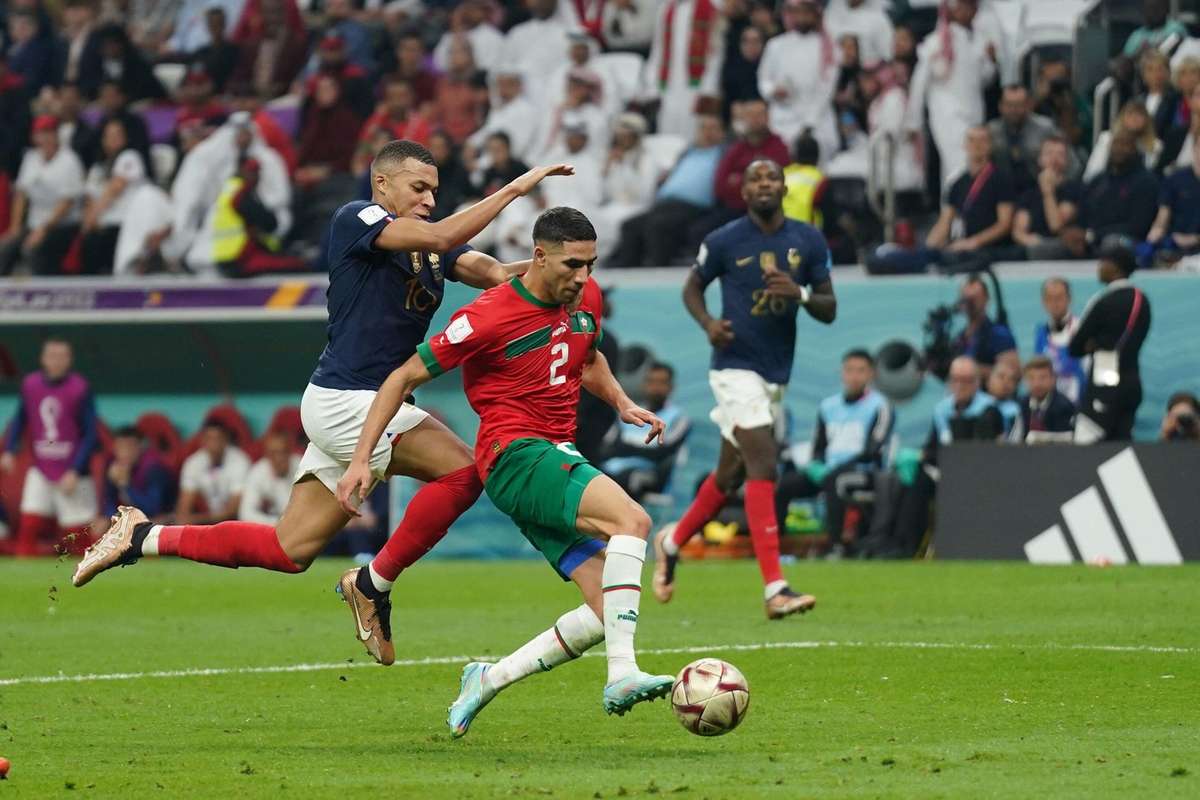
France arrive at this World Cup quarter-final carrying momentum that looks difficult to ignore, yet the path here has not been entirely smooth. After a demanding knockout win over Paraguay, Didier Deschamps' side will likely prefer a match that asks fewer physical questions before a potential semi-final against Spain or Belgium. Even so, the broader trend still favors Les Bleus: they have won seven straight games and taken 11 of their last 12, with the only deviation a draw in that stretch.
The prize on offer is significant. Should France reach the last four again, they would become only the third nation after Germany and Brazil to make three consecutive World Cup semi-finals. That alone frames this tie as more than a single knockout appointment. It is a checkpoint on a longer competitive arc, and the numbers behind it suggest France are operating at a level Morocco will need to disrupt rather than simply absorb.
For Deschamps, the fixture also carries personal history. This will be his 25th game in charge of France at a World Cup, drawing him level with Helmut Schon on 25 finals appearances between 1966 and 1978. A victory would set up a semi-final that could make him the manager with the most World Cup finals matches ever. He already holds the record for most knockout-stage wins at the tournament after the Paraguay result, which adds another layer to how this game may be managed: France may not need to force the issue early if patience continues to serve them.
Morocco, though, have built a case that deserves respect. They eliminated co-hosts Canada to reach this stage, and a result here could extend an unbeaten run through the opening five games of a World Cup for the third time, matching their showings in 2022 and 2026. No other African side has come close to that pattern. FIFA's latest rankings place France first and Morocco eighth, which reflects the gap on paper, but Morocco's recent World Cup outputs suggest they can compete without surrendering control. In one group-stage win they finished with 55% possession, five shots and four on target from a 4-2-3-1 base, while another victory featured 70% possession and 91% passing accuracy across 878 passes.
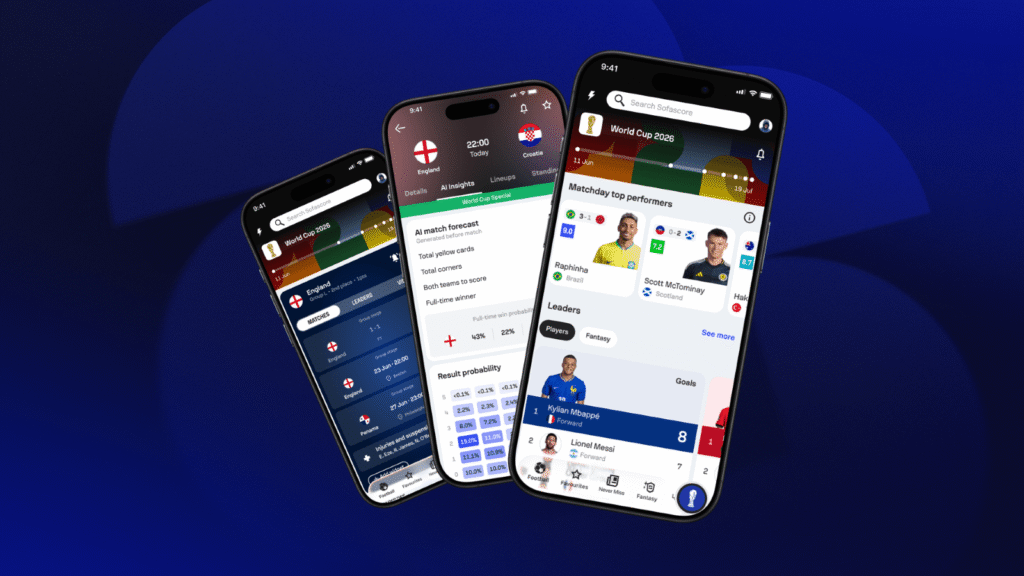
France's attacking data is where the quarter-final could tilt. Kylian Mbappe has seven goals in the competition and remains central to the Golden Boot race. Two more would move him ahead of Lionel Messi in the scoring charts, though the wider picture matters just as much. Mbappe has created 12 chances and contributed two assists, while his eight line-breaking passes rank second at the tournament behind only Michael Olise, who has nine. Olise's debut campaign has been similarly striking: 11 dribbles, 11 through balls and 10 open-play chances created, a combination not seen from a World Cup debutant since Zico in 1978. With Ousmane Dembele also in strong form, France's front line offers volume as well as efficiency. Their World Cup numbers support that reading: in one knockout win they posted 76% possession, 15 shots and 12 corners; in another they generated 25 attempts and 12 on target in a three-goal performance.
Morocco's response may depend on transition discipline and the wide lanes. Achraf Hakimi has been the reference point in that structure, offering thrust from deep while the team protects its compact defensive shape. That balance has helped Morocco stay difficult to break down while still finding enough territory to hurt opponents, a profile that could test France if Les Bleus overcommit in search of an early advantage.
The tactical outlook therefore looks like a contrast in rhythms rather than a simple favorite-and-underdog split. France's control metrics and chance creation point toward sustained pressure, while Morocco's unbeaten tournament path and efficiency in key moments suggest they can remain competitive without matching France shot for shot. Deschamps is expected to hand managerial responsibility to Zinedine Zidane after this cycle, so another deep run would extend his reign by at least one more high-stakes fixture before that transition.
On current form lines, France appear the likelier semi-finalists, but the data does not make this feel predetermined. Morocco have already shown they can navigate a World Cup without losing early momentum, and France still carry the wear from a bruising previous round. If Morocco slow the tempo and punish isolated openings, this quarter-final could stay tighter than France's recent winning streak implies. If Les Bleus convert their chance volume early, the records in play for Deschamps and the team's historic semi-final pursuit may become the dominant storyline before the final whistle.