





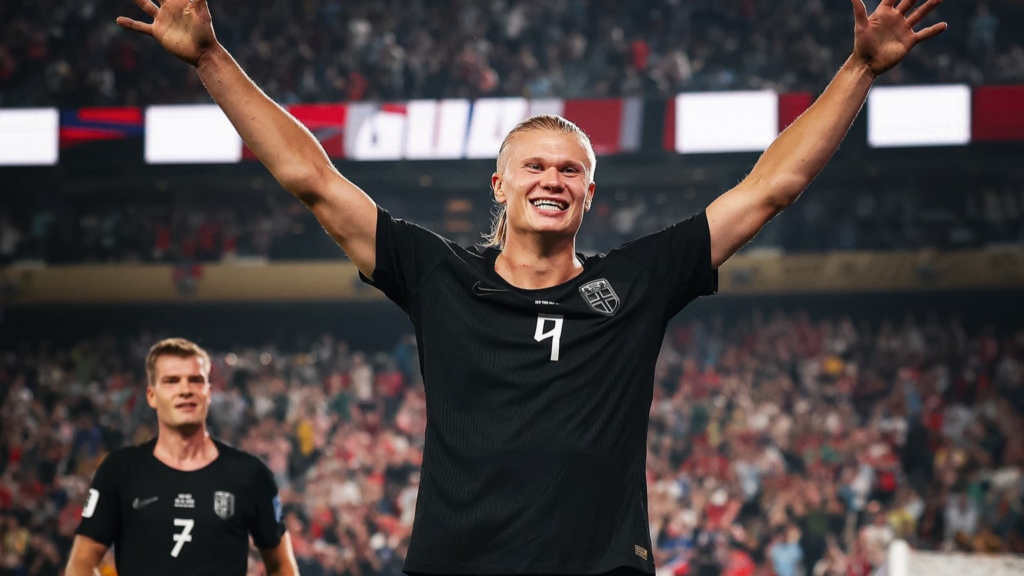
The World Cup has entered the knockout stage, and every match is no longer just about adding or subtracting goals—it feels more like a head-on clash between two different life choices. Ivory Coast and Norway, set to take the stage at AT&T Stadium in Arlington, bring that contrast into sharp focus: on one side, a tidy, resilient rhythm of progression; on the other, a heavier, more imposing attacking firepower. Their world rankings are close—Norway 31st, Ivory Coast 33rd—meaning there isn’t much separating them on paper. What often decides the outcome is who can hold onto their strengths until the end.
Two Styles, the Same Pressure
Both teams are expected to stick with a 4-3-3—a familiar shape, but a different temperament. Norway have been more explosive in this tournament: 35 shots for 8 goals, 16 on target, converting 9 of 14 big chances, with 28 of their shots coming from inside the box. Crosses and quick transitions have also created threats repeatedly. In other words, they’re used to resolving matches by pushing play straight into the most dangerous areas. Ivory Coast offer a more balanced output: 31 shots for 4 goals, 9 on target, 4 of 7 big chances converted, with all their goals coming from inside the box; 42 successful dribbles from 70 attempts, suggesting they’re better at using shifts in tempo to break through midfield blocks and then transition into counter-attacking speed.
Looking at recent form, Ivory Coast hold a slight edge in overall ratings, while Norway are more willing to gamble in key areas. The two sides have almost no meaningful head-to-head history to go on, and this first meeting on neutral ground only magnifies the sense of the unknown—that is precisely what makes the knockout stage so torturous and so captivating: you can no longer win on familiarity alone; you can only trust the system you’ve rehearsed again and again in training.
Injuries and Details Often Rewrite the Script
There are also minor squad-level variables. Ivory Coast defender Wilfried Singo is sidelined with a hamstring injury, while Norwegian midfielder Julian Ryerson is doubtful due to a thigh issue. The two affect wide defensive coverage and midfield depth more than they directly shake either side's core attacking framework, but in knockout football, losing one rotation option is often magnified after the 70th minute. The larger stadium offers more space, which favors Norway's vertical runs and gives Ivory Coast room to hit on the counter — whoever reads the rhythm of the match earlier is more likely to convert an advantage into goals.
What you can take away from this sporting story
If you treat this showdown as a mirror, Norway follows a path of "concentrating resources at the most critical points": chances need not be many, but when they appear they must be deadly enough. Ivory Coast follows "steady the structure first, then break through in the details": possession, circulation, and dribble success all pave the way for that one high-quality shot. Close rankings and odds slightly favoring Norway do not mean the result is already written; knockout rounds never reward the most favored name, but rather those who execute their plan best under pressure.
Whoever advances, this round-of-32 matchup is worth watching — not only for the winner, but to see how two styles test each other on the same night, on the same pitch. For the casual viewer, it may also be a reminder: at important junctures, you need not imitate others' firepower or deny your own rhythm; finding and sticking to what suits you best is the key to still moving forward under pressure.