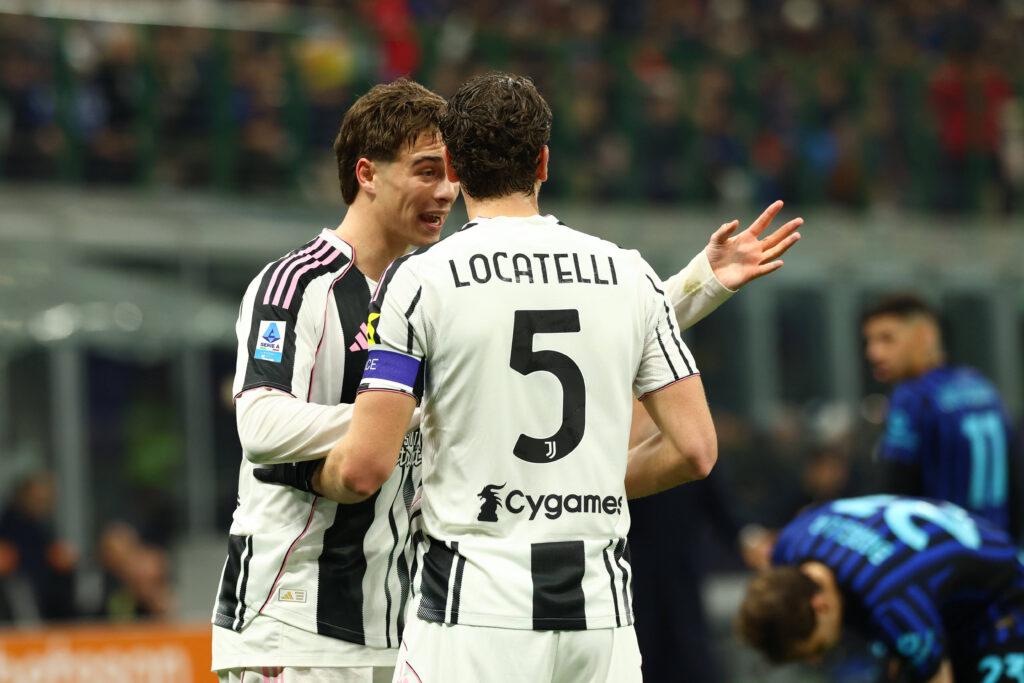


















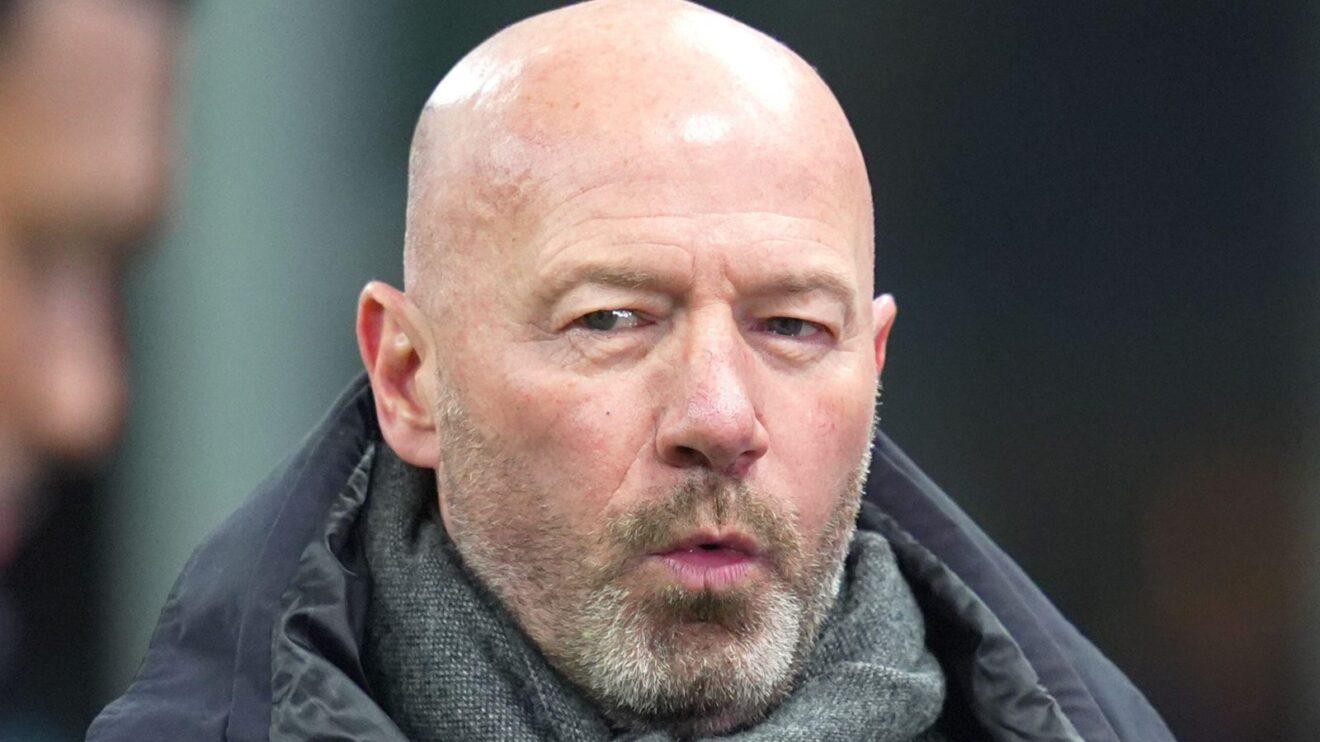
England legend Alan Shearer has publicly urged manager Thomas Tuchel to take a bolder starting XI for the World Cup opener: drop Real Madrid star Jude Bellingham to the bench and deploy Aston Villa’s in-form Morgan Rogers in the No. 10 role behind Harry Kane. The Three Lions open Group L against Croatia on 17 June, then face Ghana and Panama; ranked fourth in the FIFA standings and still seen as title contenders, how the first XI is picked will directly shape early momentum and rotation options later in the tournament.
Opening-game risk: the No. 10 slot and injury variables
When naming his 26-man squad, Tuchel stressed dressing-room harmony, but with kick-off approaching several hard calls on the starting lineup remain. Beyond media reports that Manchester City’s John Stones, who is expected to leave the club, is “likely” to start against Croatia, the battle for the No. 10 shirt has become the main talking point: both Bellingham and Rogers are viewed as the leading candidates to start behind Kane. Speaking to The Sun, Shearer said Rogers “may have a slight edge right now” — Bellingham has had one or two injury setbacks this season while Rogers has delivered consistent club form, so “I would back him to start; Bellingham still needs to be assessed.”
From a risk-management angle, the opener against Croatia (11th in the FIFA rankings) is no place to gamble on uncertain fitness in a key creative role; holding Bellingham back preserves tactical flexibility and lowers the risk that recurring injury problems derail the entire campaign. Conversely, forcing a player still regaining rhythm to play a full 90 minutes — and suffering another setback — would blunt England’s bench strength across a demanding schedule in hot conditions.
Rogers’s rise: can his numbers and mentality stand up to a major tournament?
Shearer's assessment of Rogers was specific: exceptional talent, the right attitude, and "worthy of a World Cup spot and capable of performing at a high level." He admires the way Rogers plays and wants the young player to deliver on the big stage. What requires a dose of perspective is that although Villa players have proven themselves in the league, the mental demands of a World Cup opener, the intensity of opponent pressure, and the nature of refereeing are all different from the closing stages of a club season — if Tuchel truly lines up along Shearer's thinking, he would be using the opening match to test Rogers' ability to handle pressure on the biggest stage, while placing Bellingham in a substitute role from which he can "change the tempo at any moment."
Bellingham on the bench: tactical flexibility or media pressure
Bellingham remains an elite force at Real Madrid, and a recent injury history should not be simply written off as a decline in form. Shearer also acknowledges that the starting XI is unlikely to see out the entire tournament; in today's World Cup, with its packed schedule and high temperatures, rotation is the norm rather than the old 1998 model of "one lineup from start to finish." Tuchel is renowned for managing star substitutes and keeping the dressing room in balance — if Bellingham starts on the bench in the opener, the key question is not whether he has been "written off," but whether he can come off the bench after the 60th minute as a game-changing impact against Ghana (FIFA ranked 74th), Panama (FIFA ranked 33rd), and in potential knockout ties.
Group situation and Tuchel's overall calculus
The strength gap in Group L is pronounced: Croatia's ranking and points still sit among Europe's elite, Ghana have recently strung together a series of tight 0-0 draws in qualifying, and Panama remain firmly in the upper reaches of the FIFA rankings. If England win their opener, it would leave room to manage workloads and experiment with wing combinations in the remaining two matches; starting Rogers with Bellingham on the bench is essentially trading a "low-risk start plus high-upside late option" for greater control over rotation during the group stage.
From an organizational standpoint, Thomas Tuchel’s real challenge is not persuading outsiders to accept one poster-worthy starting XI, but making sure all 26 players feel they have a pathway to minutes at different stages. Alan Shearer’s “bold pick” will only be remembered as a successful call if it delivers goals or assists in the next two games as well; otherwise, it simply front-loads the controversy to the opener.
What to watch next
Against Croatia on June 17, focus on three things: whether John Stones slots in as the reported centre-back pairing, how efficiently Morgan Rogers and Harry Kane link up for the first time, and Jude Bellingham’s fitness and response to tactical instructions if he comes off the bench. If the final selection matches Shearer’s recommendations, fans should brace for the narrative of “not the strongest XI in Game 1, but the strongest 26 for the entire tournament”—in line with Tuchel’s emphasis on harmony and rotation, and what modern World Cups truly demand from squad depth.