












Under the World Cup spotlight, some changes aren't captured in the stats—they show up in how a player walks, how they celebrate, and the way teammates look at them. For Bukayo Saka, this summer's story was never going to be a straight line from the start.
The 2025-26 season brought recurring Achilles problems, and he had already been through an injury-plagued spell at club level. Before the World Cup, Saka chose to play through the pain—he himself admitted that stepping onto a major tournament stage when not fully sharp is a huge gamble for any player. For England, it was the same kind of bet: they needed their most reliable wide threat, yet had to live with a Saka who was not yet fully back to his best.
Panama: Back in the starting XI, but not the Saka we know
In the group stage, Saka did not start from the opening match. It was only in the 2-0 win over Panama that he made his first start of the tournament. On the scoreboard, England got the three points they needed; on the pitch, Saka's presence fell well short of expectations—none of the usual sustained pressure on the defence, and no decisive moments in the key phases.
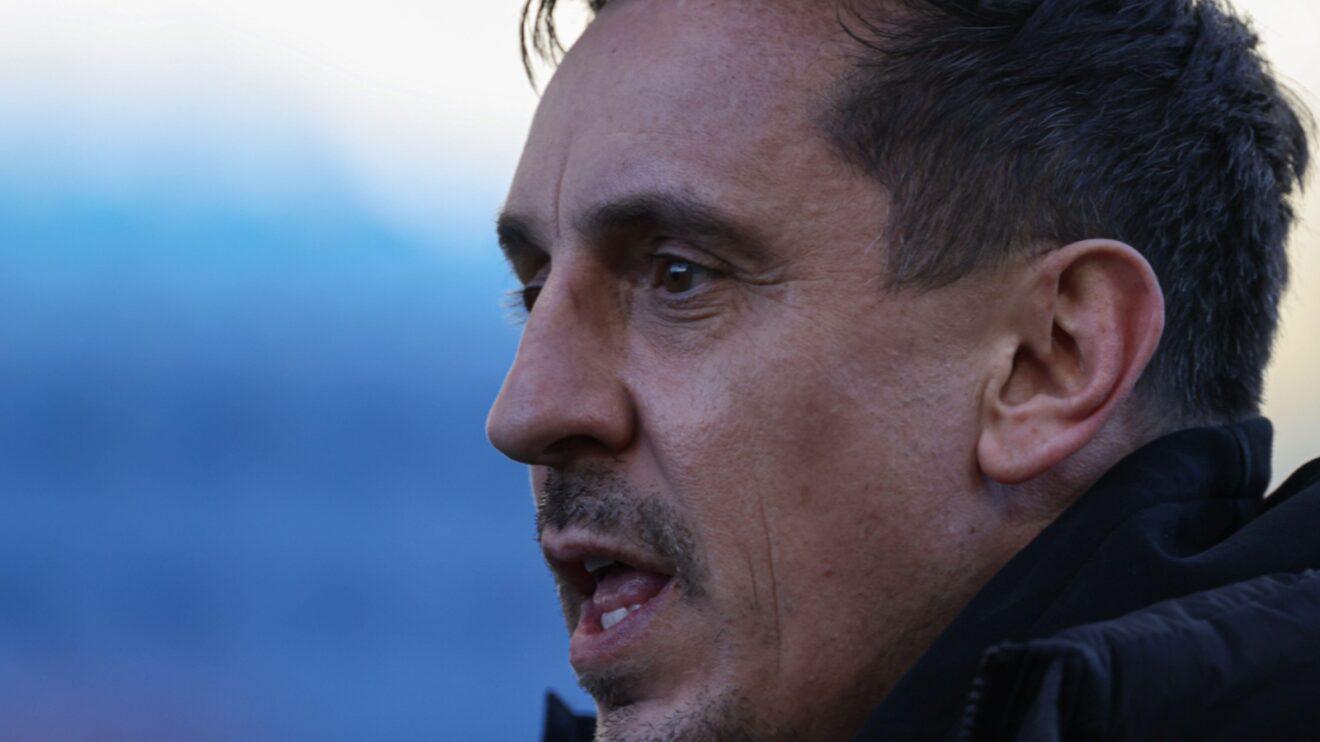
Gary Neville said plainly in his commentary that Saka "looked completely off." The former Manchester United defender was not fixated on any single stat, but on something harder to quantify: Saka had always been the happiest, most competitive player in the squad, carrying that edge of "must win" on the touchline and in training; now that edge had dulled, and the smiles had faded—and that was what truly unsettled people.
Ian Wright was more direct—“This man needs a rest.” His logic was clear: at this stage of the World Cup, Saka still had not locked down a starting spot in the early games; when he finally got his chance from the off, what he showed on the pitch was not the Saka we know. For a system built on width and one-on-one breakthroughs down the flanks, this is not a minor blip but a structural concern.
The flanks fall silent, and the pressure is not just on Saka
England’s wide problems at this tournament are not Saka’s story alone. Both Wright and Roy Keane pointed out that none of the Three Lions’ wingers have truly “taken their chance” yet. A group-stage wobble can be tolerated; knockout football follows different rules—before the round-of-32 tie against DR Congo, at least one of them needs to step up and bring back width, pace and the final ball.
From Thomas Tuchel’s selection perspective, this creates a dilemma: Saka is an irreplaceable name on the tactics board, yet his physical condition and on-pitch output are not in sync; the other wingers on the bench also failed to produce convincing enough showings in the group stage. Tuchel must choose between “protecting key players” and “tournament-ready impact,” and every time the starting lineup is announced, it is read as a vote on England’s ceiling.
A three-way tug-of-war between fitness, mentality and major-tournament rhythm
Saka’s decision to play through injury reflects both how much he values the major-tournament window and how he sees this critical juncture in his career. He knows the World Cup comes only every four years—miss this edition, and there is no guaranteeing what shape he will be in or what role he will hold next time. But football does not ease up because you are willing to gamble—packed schedules, tougher duels and shorter recovery windows keep pushing old problems such as Achilles issues back to the fore.
What Neville called “something not right” is, in part, a professional read of body language: when a winger who built his game on pace and changes of direction loses that old “doesn’t even have to think about it” fluency in sprints, cuts and second bursts, spectators can see it plainly, and opponents will smell an opening that much sooner. Wright’s emphasis on “needs rest” is not a denial of Saka’s value, but a reminder to everyone that pushing a player who has not fully recovered into a knockout-round starting lineup carries risks every bit as large as the potential rewards.
On the eve of the knockouts: Tuchel’s choice will decide how far England go
For the round-of-16 tie against the Democratic Republic of the Congo, whether Saka continues in the starting XI has become one of the biggest talking points of England’s World Cup campaign. Keeping faith in him means Tuchel believes Saka can rediscover the version that “plays with a smile and wins with a smile” in this defining match; a temporary rotation or shift in role would mean accepting the current reality and protecting the team’s overall balance in a more conservative way.
For Saka himself, this is likewise a magnified test in his career: he must prove before the world that the gamble of playing through injury can pay off, and he must find a path between public scrutiny and his own expectations that does not crush him. For England, the Three Lions sit fourth in the FIFA rankings and their squad strength is never short of debate — yet what truly decides how far they go is often found in the details: a winger’s form, the choices in the starting lineup, and who is willing to step forward first in a knockout game.
World Cup stories have never belonged to goal scorers alone. Players who take the field carrying old injuries, torn between Smile and Silence, shape a team’s character just as much. Whether Saka can reignite that spark in the knockouts, and whether Tuchel can make the calmest yet most decisive call on personnel — the answer will soon be written on the pitch.